Beyond the Mascot: Unpacking the Map of Native American Cultural Appropriation
The landscape of North America is rich with the enduring legacy of its Indigenous peoples, a heritage woven into the very fabric of the land, its names, and its stories. Yet, for centuries, this profound cultural wealth has been subjected to a pervasive and often unacknowledged form of exploitation: cultural appropriation. To illuminate the sheer scale of this issue, a conceptual "Map of Native American Cultural Appropriation" serves as a powerful, albeit informal, tool. It charts the myriad ways non-Native entities—from sports teams and fashion brands to town names and commercial products—have co-opted, commodified, and often distorted Indigenous imagery, names, and spiritual practices without consent, understanding, or respect. This article delves into the historical roots, profound impacts on identity, and the critical importance of understanding and addressing this complex phenomenon, especially for those engaging with history and travel.
What is the "Map of Native American Cultural Appropriation"?
Imagine a map of the United States and Canada, not marked with state lines or major cities, but rather with a dense overlay of instances where Native American cultures have been appropriated. This conceptual map would be teeming with markers: a professional football team named after a derogatory term, a fashion line featuring "tribal" patterns without Indigenous consultation, a town named "Cherokee" in a region never inhabited by the Cherokee Nation, or a festival selling "shamanic" workshops led by non-Native practitioners. While not a single, universally recognized physical map, the idea represents the pervasive nature of cultural appropriation across North American society.

Its purpose is to visually and conceptually demonstrate how deeply ingrained these appropriated elements are in mainstream culture, often normalized to the point of invisibility for non-Natives. It highlights that this isn’t an isolated incident but a widespread systemic issue, reflecting centuries of power imbalances and a fundamental disregard for Indigenous intellectual and cultural property rights. Understanding this map means recognizing the countless daily encounters with caricatures and misrepresentations that obscure the living, diverse realities of over 574 federally recognized Native American tribes in the U.S. alone, each with unique languages, traditions, and governance.
Historical Roots of Appropriation: A Legacy of Colonialism
To comprehend cultural appropriation, one must first grasp its deep historical entanglement with colonialism, manifest destiny, and the systematic oppression of Native peoples. The act of taking Indigenous symbols, names, and practices is not a modern phenomenon but a direct continuation of historical patterns of dispossession and domination.
The Doctrine of Discovery and Erasure: From the moment European colonizers arrived, Indigenous peoples were deemed "savages" or "heathens," their complex societies and rich cultures dismissed as primitive. The Doctrine of Discovery, a legal and religious concept, justified the seizure of Indigenous lands and the subjugation of their inhabitants. In this context, Native cultures were not seen as sovereign or valuable in their own right, but rather as exotic curiosities or obstacles to "progress." This laid the groundwork for a mindset where Indigenous cultural elements could be taken and refashioned for non-Native purposes without consequence.

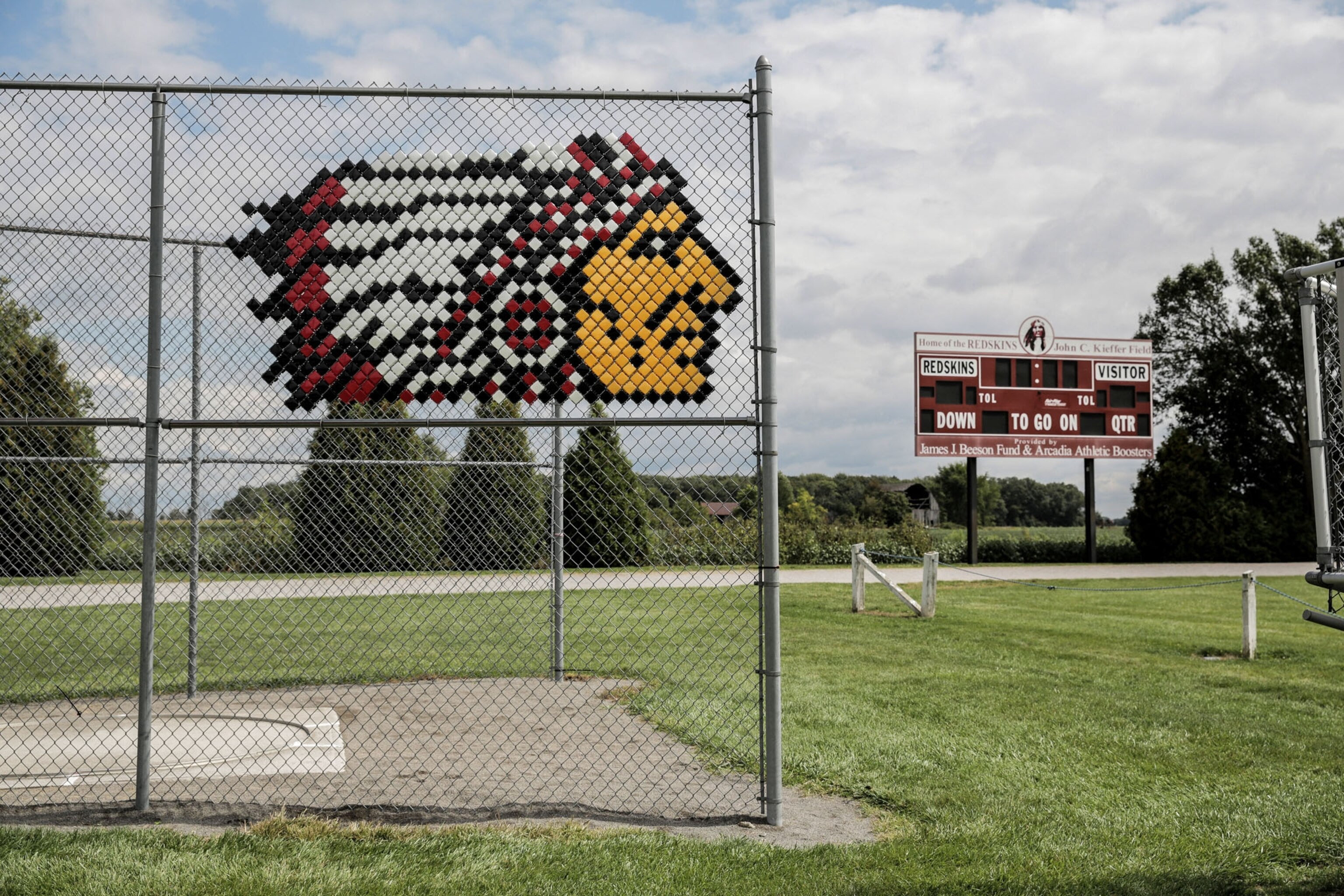
The "Vanishing Indian" Myth: As Native populations were decimated by disease, warfare, and forced removals, a romanticized and tragic narrative emerged: the "Vanishing Indian." This myth, prevalent in 19th and early 20th-century art, literature, and popular culture, depicted Native Americans as a noble but doomed race destined to disappear. While seemingly sympathetic, this narrative served to justify their displacement and assimilation, positioning them as relics of the past rather than vibrant, contemporary peoples. When cultures are perceived as "vanishing," their traditions become fair game for appropriation, seen as historical artifacts to be preserved or reinterpreted by outsiders, rather than living, evolving practices belonging to specific communities. Mascots like the "Redskins" or "Braves" directly stem from this romanticized, often violent, and dehumanizing imagery.
Commodification and Exploitation: The 19th and 20th centuries saw the rise of the commercial exploitation of Native culture. Everything from "Indian remedies" and "sacred" ceremonies performed by non-Natives to mass-produced "Native American" art became profitable ventures for outsiders. The Dawes Act of 1887, which broke up communal tribal lands into individual allotments, further disrupted traditional economies and social structures, leaving many Native communities vulnerable to economic exploitation. Non-Native businesses capitalized on the perceived exoticism of Indigenous cultures, selling trinkets, costumes, and even spiritual experiences, often misrepresenting their origins and trivializing their sacred significance, all while Native communities themselves struggled with poverty and lack of resources. This established a precedent: Native culture as a resource to be extracted and profited from by the dominant society.
The Profound Impact on Identity: Erasure, Misrepresentation, and Harm
Cultural appropriation inflicts deep and lasting damage on Indigenous identity, eroding self-perception, fostering misunderstanding, and perpetuating harmful stereotypes.
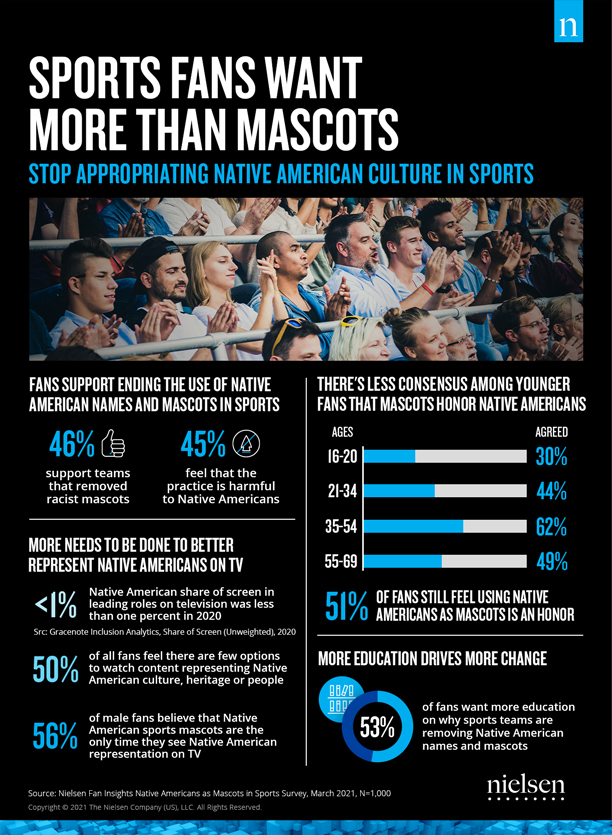
Misrepresentation and Stereotyping: Perhaps the most visible harm is the proliferation of reductive and inaccurate stereotypes. The "stoic warrior," the "wise elder," the "earth mother," or the "sexy Pocahontas"—these caricatures flatten the immense diversity of Native nations into a handful of easily digestible, often demeaning, tropes. They erase the complexity, individuality, and contemporary reality of Native people, reducing them to one-dimensional figures of fantasy or historical curiosity. These stereotypes permeate media, education, and public discourse, making it incredibly difficult for Native individuals to be seen as whole, modern human beings with unique aspirations, struggles, and achievements.
Erasure and Invisibility: When non-Natives appropriate and commercialize Indigenous culture, it often leads to the erasure of actual Native voices and experiences. If the only exposure the public has to "Native American culture" is through appropriated sports mascots or "festival wear," the living, breathing Indigenous communities are rendered invisible. This contributes to a broader societal ignorance about ongoing issues like sovereignty, treaty rights, environmental justice, and the resilience of Native nations. It perpetuates the false notion that Native Americans are a people of the past, rather than vibrant, contemporary societies contributing to the modern world.
Loss of Cultural Significance and Sacredness: Many Indigenous symbols, ceremonies, and practices hold profound spiritual, historical, and communal significance. When they are taken out of their proper context, stripped of their original meaning, and used for commercial gain or entertainment by outsiders, their sacredness is trivialized, even desecrated. A sacred feather headdress, meant for specific ceremonial leaders, becomes a Halloween costume. A traditional song, meant for healing or prayer, becomes a background track for a fashion show. This not only disrespects the original culture but also severs the connection between the symbol and its community, diminishing its power and meaning for those to whom it truly belongs.
Economic Disadvantage: While non-Native businesses profit handsomely from "Native-inspired" designs, "healing" practices, or "authentic" crafts, Native artists, artisans, and entrepreneurs often struggle to compete or receive fair compensation for their own cultural products. This perpetuates economic injustice, where the dominant culture benefits from Indigenous creativity while Indigenous communities themselves are denied equitable access to economic opportunities. The Indian Arts and Crafts Act of 1990 attempts to address this by making it illegal to market products as "Native American" when they are not, but enforcement remains a challenge.
Psychological and Emotional Toll: For Native individuals, the constant bombardment of misrepresentations and appropriations can be deeply frustrating, painful, and even traumatic. It can foster feelings of anger, alienation, and a sense of being perpetually misunderstood. It undermines self-esteem and cultural pride, forcing individuals to constantly navigate a world that often refuses to see them for who they truly are, instead projecting a fabricated image upon them.
Distinguishing Appropriation from Appreciation

It’s crucial to differentiate between respectful engagement (appreciation) and harmful taking (appropriation). The core distinctions lie in consent, context, compensation, and credit.
- Consent: Has the Indigenous community or individual whose culture is being referenced given their explicit permission?
- Context: Is the element being used in its proper cultural and spiritual context, or is it stripped of its meaning for aesthetic or commercial purposes?
- Compensation: Are Indigenous creators being fairly compensated for their work and knowledge? Are profits flowing back to the community?
- Credit: Is proper attribution given, acknowledging the specific nation or individual from whom the cultural element originates?
Appreciation involves learning, engaging respectfully, supporting Indigenous artists and businesses, and understanding the deeper meanings behind cultural practices. Appropriation, conversely, involves taking without permission, often misrepresenting, and profiting from another culture, particularly a marginalized one, thereby reinforcing power imbalances.
The Role of Education and Responsible Travel
For those passionate about history and travel, understanding the "Map of Native American Cultural Appropriation" is not just an academic exercise; it’s a call to action for responsible engagement.
Challenging Misconceptions: Education is the primary tool to dismantle stereotypes and foster genuine understanding. This includes learning about the true histories of Indigenous peoples, their diverse cultures, contemporary challenges, and ongoing triumphs. It means seeking out and amplifying Native voices, stories, and perspectives.
Responsible Tourism: Travelers have a unique opportunity to engage ethically with Indigenous cultures. This means:
- Supporting Native-owned businesses and artists: Purchase authentic crafts directly from Indigenous creators, ensuring that profits benefit the community.
- Visiting tribal cultural centers and museums: Learn directly from Indigenous people about their history, traditions, and contemporary life.
- Engaging with Native guides: If participating in cultural tours, ensure they are led by Indigenous people who can share their knowledge authentically.
- Respecting sacred sites and traditions: Understand and adhere to local customs and protocols when visiting Indigenous lands.
- Avoiding "poverty tourism" or exploitative interactions.
By consciously choosing how and where we spend our time and money, we can shift from being passive consumers of appropriated culture to active supporters of Indigenous self-determination and cultural revitalization.
Moving Forward: Decolonization and Reclaiming Identity
The path forward involves a collective effort toward decolonization—a process of undoing colonial harms, recognizing Indigenous sovereignty, and empowering Native communities to reclaim their narratives and identities.
Active Resistance and Reclamation: Native nations and individuals are actively engaged in reclaiming their languages, spiritual practices, art forms, and histories. This includes movements to change offensive sports mascots, initiatives to revitalize endangered languages, and the creation of contemporary Indigenous art that challenges stereotypes and celebrates resilience.
Accountability and Allyship: Institutions and individuals must take responsibility for past and present acts of appropriation. This means acknowledging harm, educating themselves, and making amends. Non-Native allies play a crucial role by listening to Indigenous voices, advocating for their rights, challenging appropriation in their own spheres of influence, and amplifying Indigenous perspectives.
The "Map of Native American Cultural Appropriation" is more than just a conceptual diagram; it is a profound testament to the enduring impact of colonialism and the ongoing struggle for Indigenous recognition and respect. It compels us to look beyond superficial aesthetics and confront the deep historical roots and contemporary harms of taking what does not belong to us. For anyone seeking to genuinely understand North American history and travel responsibly, this map serves as an indispensable guide, urging us to move beyond appropriation towards a future built on appreciation, respect, and true partnership with Indigenous peoples. The richness of Native American cultures is a gift to humanity, and its custodians are the Indigenous peoples themselves—whose voices, histories, and identities deserve to be centered and honored.

