Beyond the Picturesque: Unearthing Native American Biopiracy and the Maps of Stolen Knowledge
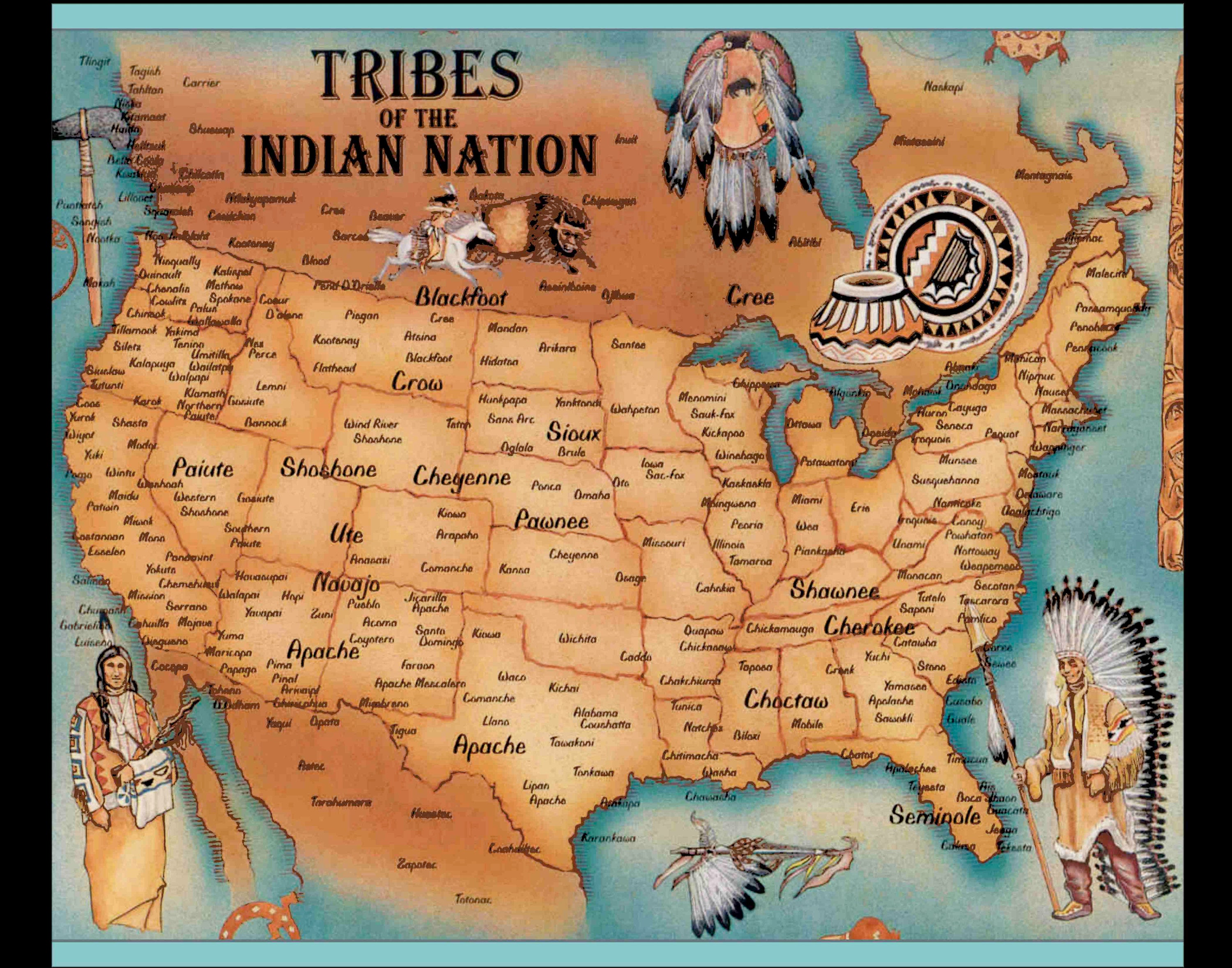
As travelers, we often seek to connect with the land, its history, and its people. We pore over maps, tracing routes, identifying landmarks, and imagining the stories held within ancient landscapes. For those venturing into territories rich with Native American heritage, these maps become gateways to understanding cultures deeply intertwined with the natural world. But beneath the picturesque trails and historical markers lies a darker, less visible map – a map of exploitation, appropriation, and a profound injustice known as biopiracy.
This article delves into the complex issue of Native American biopiracy, exploring its historical roots, its devastating impact on indigenous identity and sovereignty, and the critical role awareness plays in fostering ethical engagement. This isn’t just about plants; it’s about the theft of generations of knowledge, the erosion of cultural heritage, and the ongoing struggle for recognition and justice.
Defining Biopiracy: A Theft of Traditional Knowledge
At its core, biopiracy is the unauthorized commercial exploitation of traditional knowledge and genetic resources, predominantly from indigenous and local communities, without their free, prior, and informed consent (FPIC) and without equitable benefit sharing. It’s a sophisticated form of theft that preys on the rich, often unwritten, scientific heritage of communities who have lived in harmony with their environments for millennia.
For Native American tribes, this knowledge encompasses an encyclopedic understanding of plants, animals, ecosystems, and their medicinal, nutritional, agricultural, and spiritual applications. This Traditional Ecological Knowledge (TEK) is not merely a collection of facts; it is a living, evolving system of understanding, passed down through oral traditions, ceremonies, and practical experience. It is inherently communal, holistic, and deeply sacred, often inseparable from a tribe’s identity and spiritual beliefs.
The Historical Map of Exploitation: From Land to Knowledge
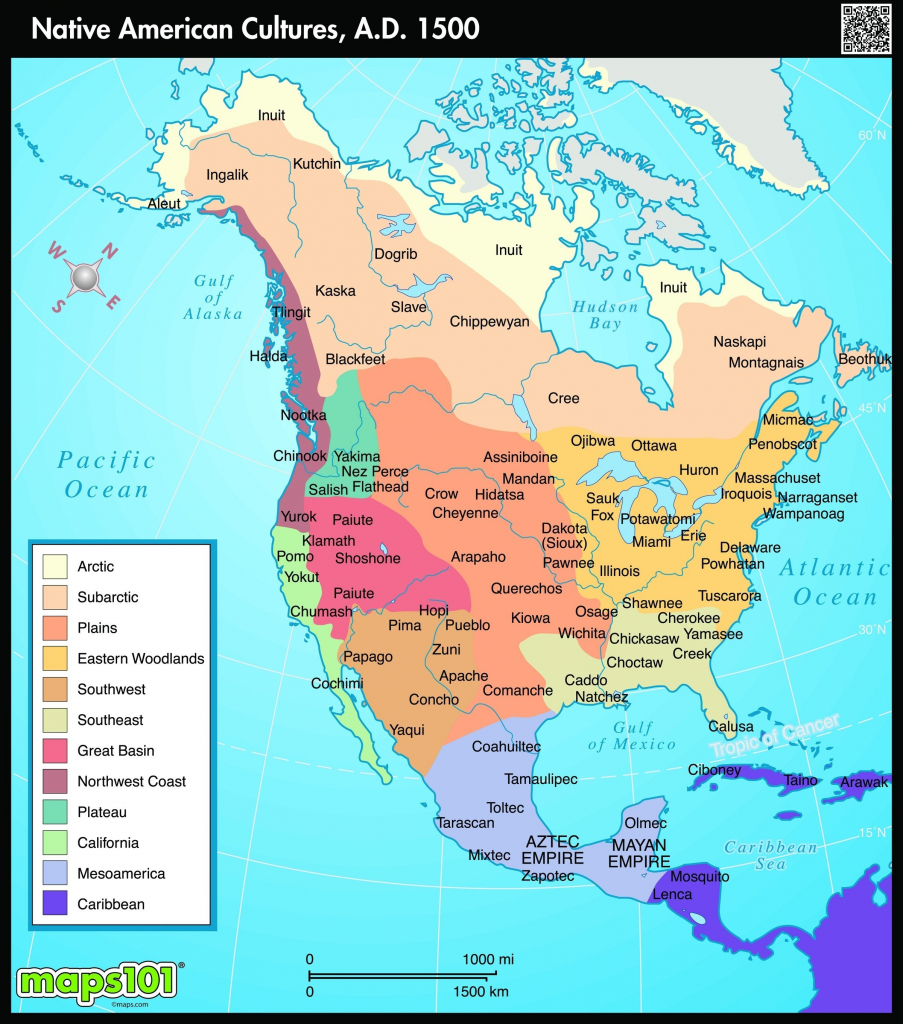
To understand Native American biopiracy, one must first acknowledge the foundational historical injustices that paved its way. The arrival of European colonizers marked the beginning of a relentless campaign of land dispossession, forced assimilation, and cultural destruction. Maps drawn by colonial powers systematically erased indigenous boundaries, replacing them with arbitrary lines that served imperial ambitions. This physical remapping of territories was mirrored by a conceptual remapping of knowledge.

Early explorers, botanists, and ethnographers, often unknowingly or unethically, became conduits for this early form of biopiracy. They meticulously documented the uses of plants and natural resources observed within Native American communities, often under the guise of scientific inquiry or religious conversion. Indigenous healers, farmers, and spiritual leaders, trusting or compelled, shared their insights. These observations were then transported back to Europe, entering academic journals, botanical gardens, and later, commercial enterprises, without acknowledgment or compensation to the original knowledge holders.
The doctrine of terra nullius ("nobody’s land") – a legal fiction used to justify the taking of indigenous lands – found its intellectual parallel in the idea that indigenous knowledge was "unclaimed" or "primitive," and therefore freely available for appropriation. This colonial mindset continues to cast a long shadow, manifesting in modern biopiracy where corporate entities and researchers operate under the assumption that traditional knowledge, because it isn’t patented in a Western legal sense, is public domain.
The Invisible Maps: Tracing Traditional Ecological Knowledge
The "maps" of Native American biopiracy are not lines on paper, but intricate webs of knowledge:

- Medicinal Plant Maps: Indigenous communities developed sophisticated pharmacopeias, understanding the curative properties of thousands of plants for ailments ranging from chronic pain to infectious diseases. These "maps" exist in the minds of elders, in ceremonial practices, and in the very landscapes where these plants grow. When researchers extract a plant, analyze its compounds, and patent a drug derived from it, they are effectively tracing a path laid by indigenous knowledge, but claiming it as their own "discovery."
- Agricultural Innovation Maps: Long before industrial agriculture, Native American tribes cultivated a vast array of food crops, developing techniques for selective breeding, pest control, and sustainable land management. Crops like corn, potatoes, beans, squash, and tobacco, which now feed the world, were meticulously developed over millennia by indigenous peoples. The genetic diversity and resilience inherent in these traditional seed varieties are invaluable, yet their originators rarely benefit from their global commercialization.
- Environmental Stewardship Maps: TEK also includes profound insights into ecological processes, sustainable harvesting, and resilience in the face of environmental change. This knowledge is crucial for addressing modern challenges like climate change and biodiversity loss. When environmental strategies are developed based on these principles without acknowledging and compensating indigenous stewards, it constitutes another form of biopiracy.
These invisible maps represent the intellectual and spiritual property of Native American tribes. When external entities exploit this knowledge without permission or benefit-sharing, it’s not merely a commercial transaction; it’s a violation of cultural integrity and a denial of self-determination.

Impact on Identity and Sovereignty: More Than Economic Loss
The ramifications of biopiracy extend far beyond economic deprivation, striking at the very heart of Native American identity and sovereignty:
-
Erosion of Cultural Identity: For many tribes, knowledge of plants and their uses is deeply intertwined with spiritual beliefs, ceremonial practices, and origin stories. It is a living connection to ancestors and to the land itself. When this knowledge is commodified and appropriated, it devalues its sacredness, disconnects it from its cultural context, and undermines the identity of the community that nurtured it. It tells indigenous peoples that their most sacred contributions are merely raw materials for external profit.
-
Undermining Sovereignty and Self-Determination: Biopiracy bypasses tribal governance and decision-making processes. It asserts external control over indigenous resources and knowledge, thereby directly challenging tribal sovereignty – the inherent right of tribes to govern themselves and control their territories and cultural heritage. This perpetuates a colonial power dynamic where indigenous voices are marginalized, and their consent is deemed irrelevant.
-
Loss of Trust and Hindrance to Research: The history of exploitation creates deep-seated distrust between Native American communities and external researchers, academics, and corporations. This reluctance to engage, while entirely understandable, can unfortunately hinder potentially beneficial collaborative research that could genuinely address community needs or contribute to global scientific advancement on equitable terms.
-
Economic Disadvantage: While the cultural impact is paramount, the economic disadvantage is also significant. Tribes are denied potential revenue from their innovations, which could be used to fund vital community programs, health services, and infrastructure development. This further exacerbates historical economic disparities.
The Inadequacy of Western Intellectual Property Laws
A major hurdle in combating biopiracy lies in the fundamental mismatch between Western intellectual property (IP) laws and indigenous knowledge systems. Western IP, primarily patents and copyrights, is designed to protect individual inventions or creations for a limited period, often requiring novelty and a specific written or published form.
Traditional knowledge, however, is typically:
- Communal: It belongs to the entire community, not an individual.
- Intergenerational: It has evolved over centuries, not a single moment of "invention."
- Oral and Practical: Often transmitted through storytelling, ceremonies, and hands-on teaching, not written documents.
- Holistic: Inseparable from cultural, spiritual, and environmental contexts.
These characteristics make it incredibly difficult to protect TEK using conventional IP mechanisms. When a corporation patents a compound derived from an indigenous plant, they claim "novelty" even if the traditional use of that plant for the same purpose is millennia old. Western legal systems often fail to recognize "prior art" in the form of oral traditions, leaving indigenous knowledge vulnerable to legal appropriation.
Ethical Travel and Historical Education: Our Role
For travelers and those interested in history and education, understanding biopiracy is crucial for ethical engagement with Native American cultures. It compels us to move beyond superficial admiration and confront the ongoing struggles for justice.
-
Challenge Romanticized Narratives: Resist the urge to view Native American cultures as static, "primitive," or "vanished." Acknowledge their living presence, their resilience, and their ongoing contributions to the world. Understand that their profound connection to nature is not just poetic; it’s a sophisticated scientific and spiritual relationship.
-
Support Indigenous-Owned Businesses: When purchasing traditional crafts, medicines, or agricultural products, seek out businesses directly owned and operated by Native American tribes or individuals. This ensures that the benefits flow back to the communities who hold the original knowledge. Be wary of "Native-inspired" products that appropriate designs or concepts without genuine connection or compensation.
-
Learn and Listen Respectfully: If you have the privilege of visiting Native American lands or interacting with tribal members, do so with humility and respect. Seek permission before photographing or recording. Listen to their stories and perspectives without imposing your own. Understand that certain knowledge or places may be sacred and not for public consumption.
-
Advocate for Policy Change: Support organizations and initiatives working to protect indigenous rights, promote prior informed consent, and establish equitable benefit-sharing mechanisms. Learn about international instruments like the Nagoya Protocol (though its implementation and effectiveness remain contentious) and advocate for stronger national protections for traditional knowledge.
-
Recognize the Value of TEK: Understand that indigenous knowledge is not just culturally significant; it holds immense practical value for addressing global challenges. From sustainable agriculture to climate change adaptation and novel medicine discovery, TEK offers solutions often overlooked by Western science. Respecting and protecting this knowledge is vital for all humanity.
Moving Forward: Reclaiming the Maps
The fight against biopiracy is a crucial front in the broader struggle for Native American sovereignty and justice. It requires a fundamental shift in how the world views and values indigenous knowledge.
Solutions lie in:
- Prior Informed Consent (FPIC): Ensuring that indigenous communities have the right to say yes or no to any proposed research or commercialization of their knowledge and resources, and that this consent is freely given, based on full information, and can be withdrawn at any time.
- Equitable Benefit Sharing: When consent is given, clear agreements must be in place to ensure fair and equitable sharing of any financial or non-financial benefits arising from the use of their knowledge or genetic resources.
- Legal Reforms: Developing national and international legal frameworks that explicitly recognize and protect traditional knowledge, perhaps through sui generis (unique) systems that are better suited than conventional IP.
- Indigenous Data Sovereignty: Empowering tribes to control how their cultural heritage data, including TEK, is collected, stored, and used.
- Ethical Research Partnerships: Fostering collaborative research models that are community-driven, respectful of indigenous protocols, and prioritize mutual benefit and capacity building within the community.
The maps of Native American territories tell stories of vibrant cultures, profound resilience, and an unbreakable bond with the land. The hidden map of biopiracy tells a story of injustice, exploitation, and disrespect. As we explore the world, let us commit to understanding both maps – to acknowledge the historical wrongs, to appreciate the invaluable contributions of indigenous peoples, and to actively support their right to protect their heritage and shape their own futures. Only then can our travels truly be a journey of education, respect, and solidarity.

