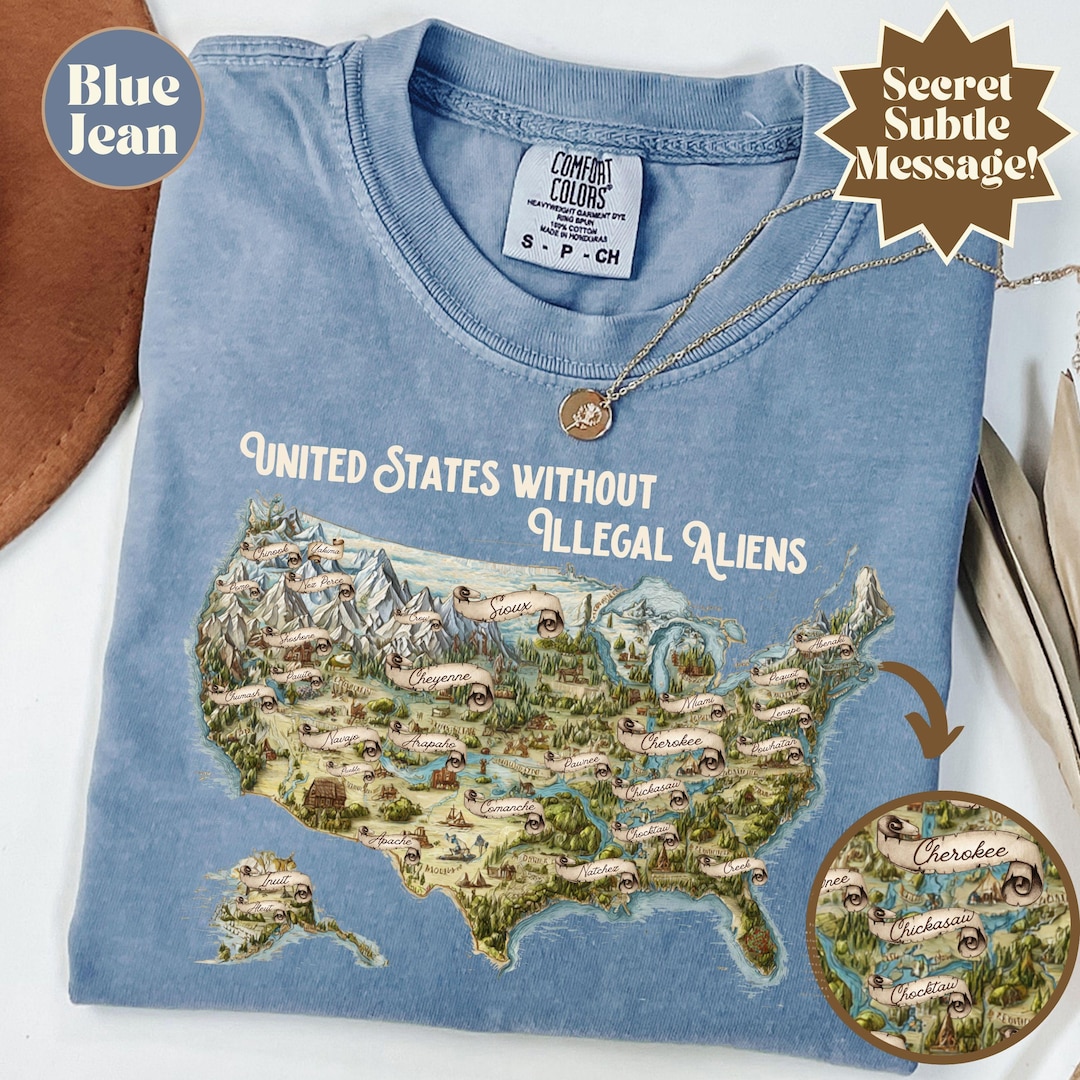
The Unseen Map: Navigating Native American Intellectual Property Rights, History, and Identity
Beyond the familiar topographical lines that delineate reservations and ancestral lands, there exists another, equally vital, and often contested map of Native America: the map of intellectual property rights. This is not a static cartographic representation, but a dynamic, living landscape of cultural heritage, traditional knowledge, sacred stories, artistic expressions, and spiritual practices. For travelers seeking deeper engagement and history enthusiasts eager to understand the enduring strength of Indigenous cultures, comprehending this map is crucial. It reveals not just what Native American communities possess, but who they are, tracing the lines of their identity through millennia of knowledge, creativity, and resilience against centuries of appropriation.
I. Mapping the Intangible: What Constitutes Native American Intellectual Property?
To understand the map of Native American intellectual property (IP), we must first grasp its unique contours, which often diverge significantly from Western legal definitions. Unlike Western IP, which typically focuses on individual ownership, fixed terms, and commercial exploitability, Indigenous IP is largely communal, intergenerational, and intrinsically linked to cultural survival and spiritual well-being.
This "intangible map" encompasses several critical territories:
-
Traditional Knowledge (TK): This is the accumulated wisdom, practices, and innovations of Indigenous peoples developed over generations. It includes extensive knowledge of medicinal plants, sustainable agricultural techniques (like permaculture or companion planting), sophisticated ecological understandings, weather patterns, resource management, and animal behavior. For example, the knowledge of plants used for healing by the Lakota or the intricate irrigation systems developed by the Ancestral Puebloans are forms of TK. This knowledge is often passed down orally, through ceremonies, and hands-on teaching, making its documentation and protection complex.
-
Traditional Cultural Expressions (TCEs): These are the tangible and intangible forms in which traditional culture is expressed. This vast category includes:
- Stories and Oral Histories: Sacred narratives, creation myths, historical accounts, and legends, often imbued with moral lessons and spiritual significance. These are not merely entertainment but foundational texts.
- Songs and Music: Ceremonial songs, lullabies, social dances, and instrumental pieces, often tied to specific events, seasons, or spiritual practices. The right to sing certain songs may belong only to specific families or societies within a tribe.
- Dances and Ceremonies: Sacred rituals, social dances, and performance arts that embody spiritual beliefs, historical events, and communal identity.
- Artistic Designs and Symbols: Patterns, motifs, symbols, and artistic styles found in weaving, pottery, beadwork, painting, carving, and jewelry. These designs often carry deep meanings, representing clan affiliations, spiritual entities, or historical narratives. The specific patterns on a Navajo rug or a Haida totem pole are not merely decorative; they are texts.
- Languages: The very words, grammars, and unique conceptual frameworks embedded within Indigenous languages are invaluable IP, essential for understanding and transmitting other forms of TK and TCEs.


-
Sacred Sites and Names: While physical locations, the stories, ceremonies, and spiritual significance attached to them are forms of IP. The names of places, mountains, rivers, and natural features often carry ancestral knowledge, historical narratives, and spiritual power, and their appropriate use and protection are paramount.

The fundamental distinction lies in ownership and purpose. For many Indigenous communities, these forms of IP are not commodities to be bought and sold freely by individuals, but collective assets, held in trust for future generations, and often considered sacred, with strict protocols governing their use and dissemination.
II. The Historical Erosion: Colonization, Appropriation, and Identity Under Siege
The historical trajectory of Native American IP is one deeply scarred by colonization, dispossession, and systematic appropriation. The physical theft of land was tragically mirrored by the cultural theft of knowledge and identity, often under the guise of "discovery," "assimilation," or "public domain."
From the arrival of European colonists, Indigenous peoples faced a relentless assault on their cultural sovereignty. Missionaries often suppressed traditional languages, ceremonies, and spiritual practices, viewing them as "pagan" or "savage." Children in boarding schools were punished for speaking their native tongues or practicing their cultural traditions. This was an active, government-sanctioned campaign of cultural erasure, directly attacking the wellsprings of Indigenous IP.
As the West industrialized, the commercial exploitation of Indigenous cultures began in earnest. The late 19th and early 20th centuries saw:
- "Indian-made" Fakes: The market became flooded with imitation Native American crafts, often mass-produced and sold without any benefit to the original creators, diluting the authenticity and economic viability of genuine Indigenous art.
- Mascot Controversies: Sports teams and brands appropriated Native American names, imagery, and spiritual symbols for commercial purposes, often perpetuating harmful stereotypes and disrespecting sacred imagery.
- New Age Appropriation: Elements of Indigenous spirituality, ceremonies, and traditional medicines were decontextualized, commodified, and marketed by non-Indigenous individuals for profit, often without understanding or respect for their profound significance or proper protocols. The "dreamcatcher," originally a specific Ojibwe protective charm, became a widely commercialized item globally, often made by non-Indigenous people and sold without any connection to its cultural origins or benefits for Ojibwe communities.
- Biopiracy: Pharmaceutical companies or researchers would study Indigenous plant medicines, isolate active compounds, and then patent them, effectively claiming ownership over knowledge held by Indigenous communities for millennia, without their prior informed consent or any benefit-sharing.
The core issue was, and largely remains, the clash between Western legal frameworks and Indigenous philosophies. Western copyright and patent laws typically protect individual creators for a limited time, after which the work enters the "public domain." For Indigenous peoples, however, much of their IP is collective, timeless, and often sacred, belonging to the entire community or specific lineages, with perpetual rights and obligations. The concept of "public domain" for sacred stories or ceremonial songs is anathema to many Indigenous worldviews, as it implies a loss of control and respect for something that is inherently not for public consumption outside of specific cultural contexts.
This historical erosion has not just been an economic injustice; it has been a profound attack on identity. When sacred stories are twisted, when ceremonial dances are mocked, or when traditional medicines are stolen, it undermines the very fabric of a people’s self-definition and their connection to their ancestors and future generations.
III. Identity: The Bedrock of the IP Map
For Native American peoples, intellectual property is not merely an asset; it is identity. The map of IP is inextricably linked to self-determination, sovereignty, and cultural survival. To control one’s traditional knowledge and cultural expressions is to control one’s narrative, one’s history, and one’s future.
- Cultural Survival: In the wake of genocidal policies and forced assimilation, protecting and revitalizing Indigenous IP is a lifeline. Language revitalization programs, for instance, are not just about preserving words but about preserving entire ways of thinking, cultural frameworks, and the knowledge embedded within those languages. When a tribe can protect its sacred stories, it ensures that the foundational principles of its identity are passed on authentically.
- Self-Determination and Sovereignty: The right to control one’s own cultural heritage is a fundamental aspect of self-determination. Just as tribes fight for land sovereignty, they also fight for cultural sovereignty. This means asserting the right to decide who can use their traditional knowledge, how it is used, and under what conditions. It’s about maintaining agency over their cultural narrative in a world that has historically sought to define them.
- Spiritual Connection: Many forms of Indigenous IP are considered sacred, imbued with spiritual power and deep meaning. A ceremonial song is not just a tune; it is a prayer, a connection to the spiritual realm, or a historical record. The misuse or unauthorized commercialization of such items is not merely an infringement of rights but a profound act of desecration, severing connections to ancestors and spiritual well-being.
- Economic Empowerment: While not the primary motivation, protecting IP also offers avenues for economic empowerment. When Indigenous artists can protect their designs, they can build sustainable businesses that directly benefit their communities, countering the legacy of economic exploitation and ensuring that cultural creators are compensated for their authentic work. Certification marks, like the "Authentic Navajo" label, help consumers identify genuine products and support Indigenous economies.
IV. Navigating the Legal Labyrinth: Challenges and Emerging Pathways
The legal landscape for protecting Native American IP is a complex labyrinth, often requiring Indigenous communities to adapt Western legal tools while simultaneously advocating for sui generis (unique) systems that better reflect their worldviews.
Challenges:
- Mismatch with Western Law: As noted, Western copyright (protects creative works), patent (protects inventions), and trademark (protects brand identifiers) laws are ill-suited for collective, intergenerational, and sacred Indigenous IP. Their limited terms and individual ownership models are fundamentally at odds.
- Proof of Ownership: Proving "ownership" of knowledge passed down orally for millennia, often without a single "author," is incredibly difficult under Western legal standards.
- Enforcement: Even when legal protections exist, the cost of litigation, especially against large corporations, is prohibitive for many tribal communities. Cross-border issues further complicate enforcement.
- Digital Age: The internet and social media allow for rapid, widespread dissemination and appropriation of Indigenous images, stories, and symbols, making control even more challenging.
Emerging Pathways and Approaches:
Despite these challenges, Indigenous communities and their allies are forging new paths:
- Sui Generis Systems: Many advocate for the development of specific national or international legal frameworks tailored to the unique characteristics of Indigenous IP. These "sui generis" systems would recognize collective, perpetual ownership and include mechanisms for prior informed consent and benefit-sharing.
- United Nations Declaration on the Rights of Indigenous Peoples (UNDRIP): Adopted in 2007, UNDRIP is a crucial international instrument. Article 31 explicitly states: "Indigenous peoples have the right to maintain, control, protect and develop their cultural heritage, traditional knowledge and traditional cultural expressions, as well as the manifestations of their sciences, technologies and cultures, including human and genetic resources, seeds, medicines, knowledge of the properties of fauna and flora, oral traditions, literatures, designs, sports and traditional games and visual and performing arts." While non-binding, it provides a powerful moral and legal framework for advocacy.
- Tribal Laws and Ordinances: Exercising inherent sovereignty, many Native American tribes are developing their own intellectual property laws and protocols to protect their cultural heritage within their jurisdictions.
- Ethical Protocols and Agreements: Museums, universities, and researchers are increasingly developing ethical guidelines and entering into agreements with Indigenous communities that mandate prior informed consent, joint research, and benefit-sharing for the use of traditional knowledge or cultural materials. The repatriation of sacred objects and ancestral remains from museums is another crucial aspect of restoring IP control.
- Strategic Use of Western IP Law: While imperfect, some tribes and Indigenous artists strategically use existing copyright, trademark, and unfair competition laws to protect specific aspects of their work. For instance, the Navajo Nation has successfully used trademark law to prevent unauthorized use of their name and designs.
- Certification Marks and Labels: Initiatives like the Indian Arts and Crafts Act (USA) aim to prevent misrepresentation in the marketing of Native American arts and crafts. Certification marks help consumers identify authentic, ethically sourced Indigenous products, supporting genuine artists and communities.
V. Responsible Engagement: A Guide for Travelers and Learners
For those traveling through Native lands or engaging with Indigenous cultures, understanding the map of intellectual property rights is not just an academic exercise; it’s a call to respectful and ethical engagement.
- Educate Yourself: Learn about the specific Indigenous nations whose lands you are visiting. Understand their history, their contemporary issues, and their cultural protocols.
- Support Authentic Indigenous Art and Businesses: When purchasing art, jewelry, or other crafts, seek out authentic products directly from Indigenous artists or reputable galleries that work with them. Ask questions about the artist’s tribal affiliation and the meaning behind the designs. This ensures your money directly supports Indigenous communities and cultural continuity. Avoid "faux-Indian" products or items that appropriate Indigenous designs without permission or benefit to the community.
- Respect Sacred Sites and Ceremonies: Many sacred sites are not open to the public, or they may have strict protocols regarding photography, access, or behavior. Always heed signs, ask permission, and be mindful of your impact. Do not appropriate or mimic ceremonies without proper invitation and guidance.
- Seek Permission and Give Credit: If you are a researcher, photographer, or content creator, always seek free, prior, and informed consent from Indigenous communities before documenting or using their traditional knowledge, stories, or images. Ensure proper attribution and discuss benefit-sharing arrangements.
- Listen to Indigenous Voices: Engage with Indigenous perspectives directly. Read books by Indigenous authors, listen to Indigenous podcasts, and visit tribal museums and cultural centers. Shift from learning about Indigenous peoples to learning from them.
- Avoid Stereotypes and Appropriation: Be conscious of the language you use and the assumptions you make. Challenge stereotypes and avoid any actions that could be construed as cultural appropriation, which often trivializes profound cultural meanings.
Conclusion: A Living Map of Resilience and Reclamation
The map of Native American intellectual property rights is not just a legal document; it is a living testament to the resilience, creativity, and spiritual depth of Indigenous peoples. It charts their history, embeds their identity, and outlines their aspirations for a future where their cultural heritage is respected, protected, and celebrated on their own terms.
For too long, this map was ignored, its territories plundered, and its boundaries violated. Today, through tenacious advocacy, the assertion of sovereignty, and a growing global awareness, Indigenous nations are actively reclaiming and redrawing these lines. For travelers and learners, understanding this unseen map offers a profound opportunity – not just to witness vibrant cultures, but to participate in a journey of justice, respect, and the enduring power of Indigenous identity. It is a journey that enriches us all, inviting us to recognize that true wealth lies not just in what is owned, but in what is shared, understood, and profoundly honored.

