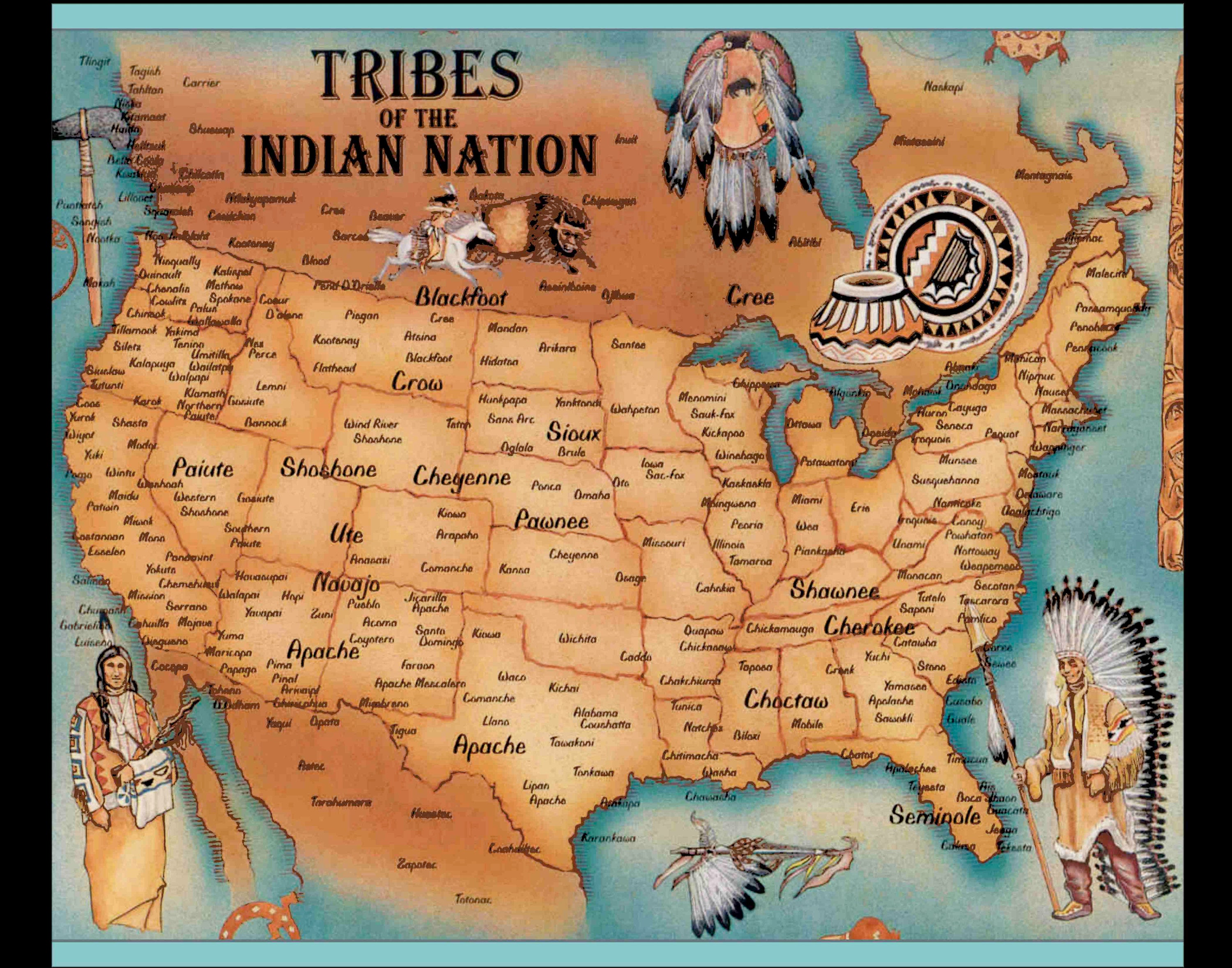
Charting Resilience: A Conceptual Map of Native American Military Leaders
Imagine a map unlike any other. Not merely a static geographical representation, but a dynamic tapestry woven with the threads of courage, strategy, and unyielding spirit. This is a conceptual map of Native American military leaders – a powerful tool for understanding the true history of North America, challenging prevailing narratives, and connecting deeply with the land and its original stewards. For the discerning traveler and history enthusiast, this map is an invitation to explore not just places, but profound stories of identity and resistance.
This "map" transcends simple battle locations. It charts the territorial struggles, the strategic genius, the cultural motivations, and the enduring legacies of men and women who led their people through periods of immense upheaval. It is a vital counter-narrative to the often-simplified or demonized portrayals found in mainstream history, revealing instead sophisticated military minds, diplomatic prowess, and a deep-seated commitment to preserving their way of life, their lands, and their spiritual heritage.
The Landscape of Resistance: Geographical and Tribal Diversity
Such a map would immediately highlight the sheer geographical breadth and tribal diversity of Native American resistance. From the dense forests of the Northeast to the vast plains of the Midwest, the arid deserts of the Southwest, and the misty mountains of the Pacific Northwest, every region boasts leaders whose names echo with defiance.
In the Northeast, figures like Pontiac (Odawa) and Tecumseh (Shawnee) emerge. Pontiac, after the French and Indian War, forged a confederacy of tribes in the Great Lakes region to resist British expansion, demonstrating remarkable organizational and strategic skills in what became known as Pontiac’s War (1763-1766). His map points would show the sieges of Fort Detroit and other British outposts, illustrating a unified front against colonial encroachment. Tecumseh, nearly half a century later, sought an even grander vision: a pan-tribal confederacy stretching across the continent to collectively halt American expansion. His efforts, culminating in the Battle of Tippecanoe and his eventual death in the War of 1812, underscore a profound political and military acumen aimed at cultural and territorial preservation.
Moving to the Great Plains, the map explodes with the stories of the Lakota, Cheyenne, and Arapaho. Here, names like Crazy Horse (Oglala Lakota), Sitting Bull (Hunkpapa Lakota), and Gall (Hunkpapa Lakota) dominate. These leaders are forever associated with the ultimate Native American victory against the U.S. Army: the Battle of the Little Bighorn (1876). Crazy Horse, renowned for his tactical brilliance and personal bravery, led charges that decimated Custer’s command. Sitting Bull, a powerful spiritual leader and strategist, inspired his people through visions and unwavering resolve. Gall’s leadership in the field was instrumental in coordinating the massive Native forces. Their map points would trace the seasonal movements of their camps, the buffalo hunts, and the desperate, yet ultimately victorious, defense of their sacred Black Hills.
The Southwest reveals the indomitable spirit of the Apache. Geronimo (Chiricahua Apache) and Cochise (Chiricahua Apache) are legendary for their guerrilla warfare tactics, utilizing the rugged terrain to their advantage against vastly superior numbers. Cochise, initially a peace advocate, was driven to war by betrayal, leading a protracted resistance that demonstrated an intimate knowledge of the land and an ability to evade capture for years. Geronimo, perhaps the most famous, continued this legacy, leading small bands of warriors on daring raids and escapes, becoming a symbol of relentless defiance even as his people faced starvation and forced removal. Their map would highlight the Apache Pass, the Dragoon Mountains, and the harsh, unforgiving landscapes that were both their sanctuary and their battlefield.

On the Pacific Northwest, Chief Joseph (Nez Perce) stands as a poignant figure of strategic retreat and eloquent diplomacy. His 1877 odyssey, leading his people on a 1,170-mile flight towards Canada to escape forced removal, is a masterclass in military maneuver and endurance. Despite facing overwhelming odds, Chief Joseph’s band repeatedly outmaneuvered the U.S. Army, demonstrating incredible logistical planning and fighting prowess. His eventual surrender speech, "From where the sun now stands, I will fight no more forever," is a testament to his profound leadership and the tragic cost of resistance. His map trajectory would be a winding, desperate path through mountains and valleys, a testament to human will against impossible odds.
And in the Southeast, the Seminole Wars in Florida introduce Osceola (Seminole). His leadership in the Second Seminole War (1835-1842) showcased a fierce determination to protect his people’s sanctuary in the Everglades from forced removal. Osceola’s use of guerrilla tactics in the swampy terrain proved incredibly effective against the U.S. Army, turning what was expected to be a swift campaign into one of the longest and costliest Indian wars in American history. His capture under a flag of truce remains a stain on American history, but his legacy as an uncompromising defender of his people endures.
Beyond the Battlefield: Identity, Culture, and Strategy
What this conceptual map truly reveals is that Native American military leadership was inextricably linked to identity and culture. These leaders were not fighting for conquest or empire; they were fighting for the very essence of their existence: their ancestral lands, their spiritual beliefs, their sovereignty, and the future of their people.

Strategic Acumen: The map would visually represent the strategic genius often overlooked.
- Terrain Mastery: Apache leaders like Geronimo understood every rock and shadow of their homeland, using it as both defense and weapon.
- Logistical Prowess: Chief Joseph’s epic journey involved moving entire communities, including women, children, and elders, across vast, hostile landscapes while fighting a pursuing army – a logistical feat almost unparalleled.
- Confederation Building: Pontiac and Tecumseh’s attempts to unite disparate tribes against a common enemy demonstrated advanced diplomatic and political skills, recognizing that collective strength was their only hope.
- Adaptive Warfare: From using the environment to their advantage (swamps for the Seminole, open plains for the Lakota cavalry) to adopting and mastering new technologies like horses and firearms, Native leaders were highly adaptive and innovative.
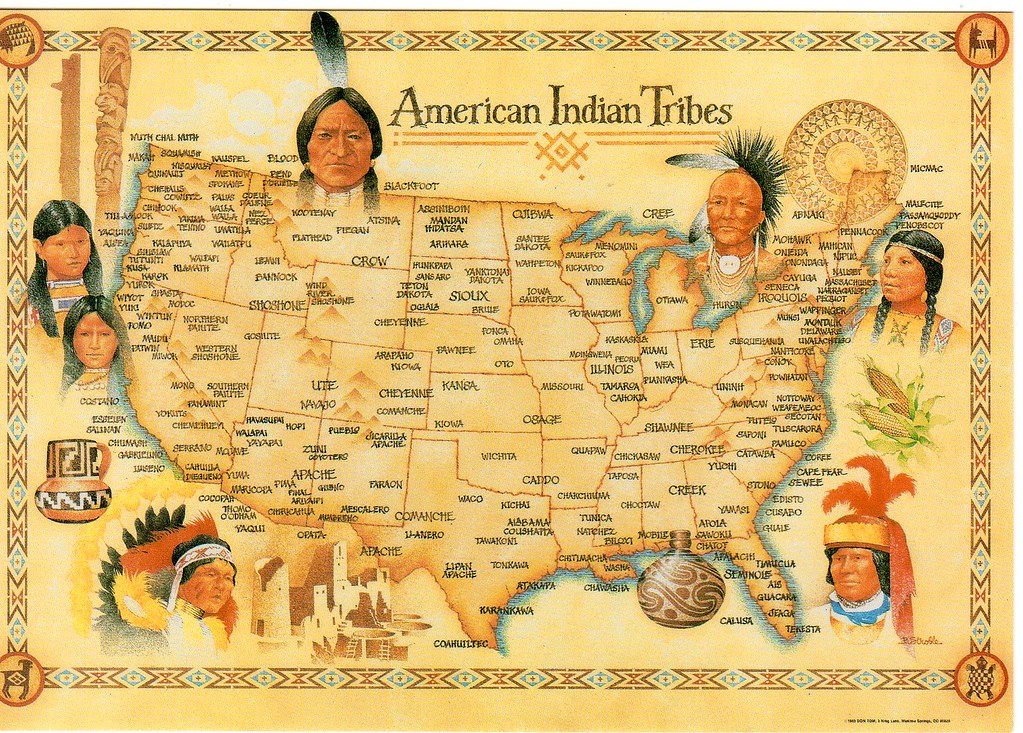
Cultural Identity as a Driving Force: The battles fought were not just territorial disputes; they were defenses of a worldview.
- Sacred Lands: For many tribes, land was not property but a sacred entity, the source of life, spirituality, and identity. Fighting for land was fighting for their soul.
- Spiritual Guidance: Leaders like Sitting Bull drew strength and strategy from visions and spiritual practices, integrating their beliefs directly into their military and political decisions. This spiritual fortitude was a powerful motivator for their followers.
- Community Welfare: Native leaders were first and foremost protectors of their people. Their decisions were often collective, made in council, reflecting a deep responsibility to the community rather than individual glory. The concept of "warrior" was often tied to protection and sacrifice for the collective good.
The Enduring Legacy: An Invitation to Explore
This conceptual map of Native American military leaders is more than just a historical artifact; it is a living document. It challenges the notion of Native Americans as passive victims or "savages," instead presenting them as formidable strategists, principled diplomats, and unwavering defenders of their heritage.
For the modern traveler and history enthusiast, this map serves as an invaluable guide:
- Decolonizing Perspective: It encourages a re-evaluation of American history, pushing past colonial narratives to understand the continent’s past from the perspective of its original inhabitants.
- Connecting with Place: By understanding where these leaders fought and why, travel to these regions takes on a profound new meaning. Visiting the Black Hills, the Everglades, the Wallowa Valley, or the Ohio River Valley transforms from a scenic trip into a pilgrimage to sites imbued with deep historical and cultural significance.
- Supporting Indigenous Voices: Learning these histories directly from tribal perspectives, visiting tribal museums, and engaging with contemporary Native American communities helps preserve and promote these vital stories.
- Understanding Resilience: The map is a testament to human resilience in the face of overwhelming odds. The stories of these leaders inspire reflection on courage, identity, and the enduring human spirit.
In conclusion, a conceptual map of Native American military leaders is an essential educational tool. It unveils a rich, complex, and often overlooked history of strategic brilliance, cultural integrity, and profound resistance. It is an invitation to look beyond the simplistic narratives, to walk the lands where these battles for identity and survival were waged, and to honor the indomitable spirit of those who fought "from where the sun now stands" to protect everything they held sacred. For those seeking a deeper, more authentic understanding of North America, this map is your compass.

