The Unseen Arteries: Navigating the Ancient Trade Networks of Native North America
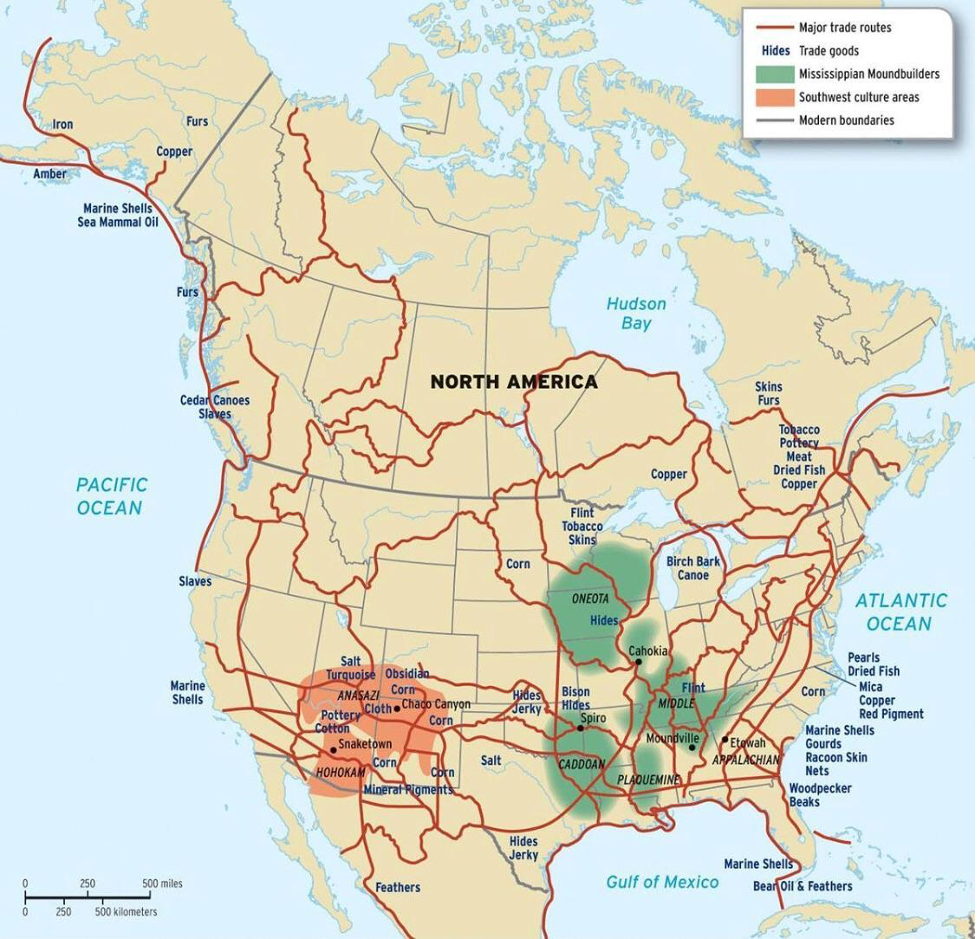
Forget the simplistic images of isolated tribes subsisting on their own patch of land. Long before European ships dotted the horizon, North America was a continent interwoven by sophisticated, far-reaching trade networks. These were not mere paths for bartering, but dynamic arteries pulsating with goods, ideas, technologies, and diplomatic exchanges that shaped the very identity and survival of indigenous nations. For the modern traveler and history enthusiast, understanding these ancient "superhighways" offers a profound new lens through which to view the landscape and its original inhabitants.
This article delves into the intricate map of Native American trade, exploring its historical depth, the identity it forged, and its enduring legacy, providing a crucial context for anyone seeking a deeper understanding of the continent’s rich pre-colonial past.
A Tapestry Woven Over Millennia: The Pre-Columbian Foundation

The idea of a vast, interconnected indigenous world is not a romanticized notion; it’s a fact supported by millennia of archaeological evidence. For thousands of years, long before the Vikings or Columbus, indigenous peoples developed complex systems of exchange driven by necessity, cultural values, and a sophisticated understanding of their environment. These networks were far more than simple economic transactions; they were vital for survival, community building, and cultural dissemination.
Imagine a world where obsidian from the Rocky Mountains could end up in Ohio, where copper from the Great Lakes adorned chiefs in the Southeast, and where seashells from the Gulf Coast became sacred ornaments in the desert Southwest. This was the reality. These networks weren’t just lines on a map; they were relationships, alliances, and established protocols for interaction across vast linguistic and cultural divides. They represent one of humanity’s earliest and most successful examples of sustained inter-societal cooperation.
Goods, Routes, and Resources: The Commerce of a Continent
The diversity of goods traded across Native North America reflects the continent’s incredible ecological variation and the ingenuity of its peoples. Specialized resources, often tied to specific geographic regions, became the lifeblood of these exchanges:

- Obsidian and Chert: Volcanic glass (obsidian) from places like the Yellowstone area, New Mexico, and California, along with high-quality chert (flint) from Ohio and other regions, were essential for tool-making. Their presence hundreds or thousands of miles from their origin sites is a clear indicator of extensive trade.
- Copper: The native copper deposits of the Great Lakes region (especially Isle Royale and the Keweenaw Peninsula) were mined extensively for thousands of years. This copper was cold-hammered into tools, weapons, and ceremonial objects, traveling as far south as the Gulf Coast and west into the Plains.
- Shells: Marine shells, particularly conch and whelk from the Gulf Coast and Pacific abalone and dentalium, were highly prized. They served as currency, ornaments, and sacred objects, symbolizing wealth, status, and spiritual power. They reached deep into the interior, connecting coastal communities with landlocked ones.
- Turquoise: Mined extensively in the American Southwest (e.g., Chaco Canyon, Cerrillos, New Mexico), turquoise was a crucial trade item, moving north into the Great Plains and south into Mesoamerica, where it held immense cultural and spiritual significance.
- Salt: A vital commodity for food preservation and health, salt from natural springs and salt flats was traded widely, particularly in the Southeast and Plains.
- Tobacco: Cultivated extensively, tobacco was a sacred plant used in ceremonies and as a social lubricant. Its various strains and preparations were traded across regions.
- Furs and Hides: Especially in the northern regions, animal pelts (beaver, deer, bison) were valuable commodities, traded for agricultural products, tools, and decorative items.
- Agricultural Products: Corn, beans, squash, and other cultivated foods were exchanged between farming communities and hunter-gatherer groups, often moving along river systems like the Mississippi and its tributaries.
- Pottery and Textiles: Artistic and functional pottery, as well as woven goods and intricate feather work, also formed part of the trade, reflecting regional artistic styles and specialized skills.


These goods moved along well-established trails, often following natural features like river valleys (e.g., the Mississippi and Missouri river systems were vital trade highways), mountain passes, and coastal routes. Canoes, rafts, and foot travel were the primary modes of transport, often undertaken by dedicated traders who were multilingual and adept at navigating diverse cultural landscapes.
Beyond Commerce: Diplomacy, Identity, and Cultural Exchange
The trade networks were more than just conduits for goods; they were dynamic pathways for cultural exchange, diplomatic relations, and the shaping of tribal identities.
- Diplomatic Channels: Trade often served as a pretext for diplomatic missions, fostering alliances, resolving disputes, and maintaining peace between different nations. The act of trading itself was frequently embedded in ceremonial protocols, reinforcing social bonds and mutual respect. Wampum belts, for instance, were not just currency but mnemonic devices and records of treaties and agreements, particularly among Northeastern tribes like the Haudenosaunee.
- Cultural Dissemination: Along with goods, ideas, technologies, artistic styles, and spiritual beliefs traveled across the continent. Agricultural techniques, pottery styles, architectural forms (like the mound-building traditions of the Mississippian cultures), and even specific ceremonial practices spread through these networks. The exchange of stories and knowledge was an invaluable, intangible trade item.
- Shaping Identity and Specialization: Access to specific trade goods could elevate a tribe’s status and influence. For example, tribes located near copper mines or shell beds might have developed a specialized identity as producers or facilitators of these valuable commodities. Similarly, tribes skilled in crafting particular tools or textiles gained recognition and prestige through their trade contributions. This specialization fostered interdependence, encouraging cooperation rather than constant conflict.
- Spiritual Significance: Many traded items held profound spiritual meaning. Turquoise, shells, and copper were not just decorative but were believed to carry power, connect to the spirit world, or symbolize important cultural values. The journey of these items across vast distances often imbued them with even greater significance.
The Transformative Impact of European Contact
The arrival of Europeans profoundly altered these ancient trade networks, initially integrating new goods and later disrupting and ultimately dismantling the indigenous-led systems.
- Initial Integration: Early European traders often plugged into existing indigenous networks. European goods like glass beads, iron tools, copper kettles, and woolen blankets were quickly adopted, valued for their novelty and utility. Indigenous peoples, far from being passive recipients, actively sought out and incorporated these items into their material culture.
- The Fur Trade: This became the most significant catalyst for change. European demand for beaver pelts and other furs led to an explosion in indigenous hunting and trapping. Tribes strategically positioned as middlemen, like the Huron and later the Cree and Ojibwe, gained immense power and wealth. However, this also led to overhunting, resource depletion, and increased competition and conflict among tribes vying for access to trade goods and territories.
- Horses and Guns: The introduction of horses by the Spanish revolutionized life on the Great Plains, transforming buffalo hunting, warfare, and trade. Tribes like the Comanche, Lakota, and Cheyenne became highly mobile and formidable, expanding their trade routes and influence. Simultaneously, European firearms, traded for furs, irrevocably changed the balance of power, escalating the intensity and lethality of inter-tribal warfare.
- Economic Dependency: As indigenous economies became increasingly oriented towards European markets, many tribes grew dependent on European manufactured goods. This shift undermined traditional craft production and subsistence patterns, making them vulnerable to price fluctuations and the whims of colonial powers.
- Disease and Dislocation: The devastating impact of European diseases, like smallpox and measles, decimated indigenous populations, often before direct contact. This demographic collapse shattered social structures, disrupted trade routes, and erased generations of accumulated knowledge, severely weakening the networks. Furthermore, colonial expansion, land seizures, and forced removals fragmented remaining indigenous communities, physically severing the traditional ties that bound the trade networks together.
Archaeological and Oral Evidence: Reconstructing the Past
Our understanding of these ancient trade networks comes from a combination of sources. Archaeology provides tangible evidence: the discovery of non-local materials (exotic lithics, shells, metals) in ancient sites, trace element analysis to pinpoint origins, and the mapping of ancient trails. Oral traditions, passed down through generations, offer invaluable insights into the social customs, spiritual significance, and historical narratives associated with trade and interaction. Together, these sources allow us to reconstruct a vibrant and complex pre-colonial world that challenges simplistic narratives of isolated, static cultures.
Legacy and Modern Relevance
The ancient trade networks of Native North America stand as a testament to the sophistication, adaptability, and interconnectedness of indigenous societies. They demonstrate that these were not primitive peoples, but complex nations with advanced economic, political, and social systems.
For travelers and history enthusiasts, recognizing this intricate past enriches any journey across the continent. When visiting national parks, historical sites, or indigenous cultural centers, imagine the ancient trails crisscrossing the landscape, the canoes navigating the rivers, and the vibrant exchange of goods and ideas that predated colonial maps.
Today, understanding these networks is crucial for several reasons:
- Challenging Stereotypes: It dismantles the myth of "primitive" or "isolated" Native American societies, revealing a history of innovation, diplomacy, and global engagement.
- Highlighting Resilience: It underscores the incredible resilience of indigenous cultures, which adapted to profound change, even while their traditional systems were dismantled.
- Informing Indigenous Rights: It provides historical context for contemporary indigenous land claims, resource rights, and the assertion of sovereignty, demonstrating long-standing relationships with specific territories and trade routes.
- Inspiring Connection: It fosters a deeper appreciation for the rich heritage of North America, encouraging respectful engagement with indigenous cultures and their ongoing contributions.
The map of Native American trade networks is not just a historical artifact; it is a living testament to the enduring human spirit of connection, innovation, and community. It invites us to look beyond the familiar and discover the unseen arteries that shaped a continent, offering profound lessons that resonate even in our interconnected world today.
