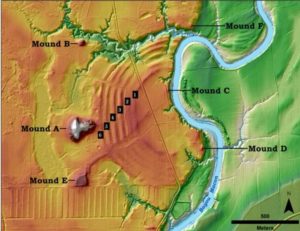
Unearthing Ingenuity: A Map of Native American Engineering Feats
Forget the simplistic narratives of "primitive" societies. Across the vast and varied landscapes of North America, Indigenous peoples developed sophisticated engineering feats that rivaled, and in some cases surpassed, those of contemporary civilizations worldwide. This isn’t a single, static map, but a dynamic tapestry woven from centuries of innovation, ecological understanding, and communal effort – a conceptual journey across the continent revealing the immense ingenuity, cultural depth, and enduring legacy of Native American engineers.
This exploration will bypass traditional historical introductions and dive directly into the geographical and cultural regions, highlighting specific examples of engineering mastery, their historical context, and the profound identity they embody. From monumental architecture to intricate water management and sustainable resource utilization, these feats stand as powerful testaments to human adaptability and brilliance.
The Southwest: Masters of Stone, Water, and Sky
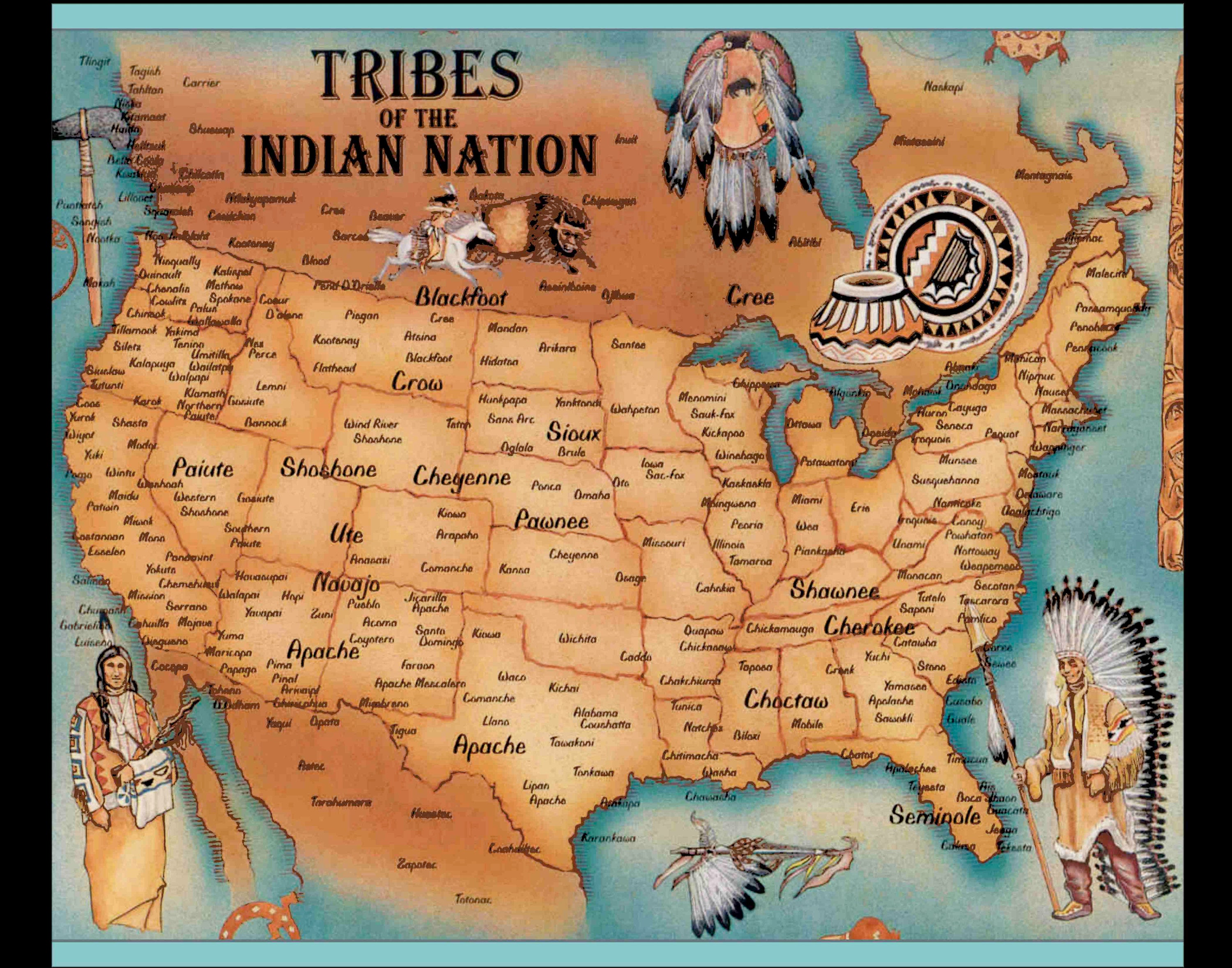
Our journey begins in the arid Southwest, a region that demanded exceptional resourcefulness. Here, the Ancestral Puebloans and Hohokam peoples engineered solutions that allowed vibrant societies to flourish amidst challenging conditions.
Chaco Canyon, New Mexico (Ancestral Puebloans): The Architectural Metropolis
Between 850 and 1250 CE, Chaco Canyon became the epicenter of a vast cultural network. Its "Great Houses" – multi-story masonry structures like Pueblo Bonito, Chetro Ketl, and Hungo Pavi – are architectural marvels. Pueblo Bonito, for instance, contained over 600 rooms, stood four to five stories high, and covered nearly two acres. Its D-shaped layout, precise stone masonry using interlocking chert and sandstone blocks, and massive timber beams (some transported from over 70 miles away) demonstrate an advanced understanding of structural mechanics and logistics.
More than just buildings, Chacoan structures were meticulously aligned with celestial events, serving as observatories and calendrical markers. Kivas, large circular ceremonial chambers, were integrated into the architecture, reflecting a deep spiritual connection to the cosmos. An extensive network of over 400 miles of roads, remarkably straight and wide, radiated from Chaco, connecting it to smaller outlier communities. These roads, often built over challenging terrain with ramps and staircases, facilitated trade, communication, and ritual movements, revealing a complex societal organization and sophisticated infrastructure planning.

The identity embedded in Chaco is one of collective endeavor, astronomical wisdom, and a profound sense of place. The sheer scale required immense communal effort, precise planning, and a shared vision, reflecting a society deeply interconnected and harmonized with its environment and the heavens.
Mesa Verde, Colorado (Ancestral Puebloans): Cliff Dwellings and Defensive Ingenuity
Further west, Mesa Verde showcases another facet of Ancestral Puebloan engineering: adaptation to defensive needs and resource efficiency. Beginning around 1190 CE, communities moved into alcoves high in the canyon walls, constructing iconic cliff dwellings such as Cliff Palace and Balcony House.
Cliff Palace, the largest, contains approximately 150 rooms and 23 kivas. These structures were built with local sandstone, mud mortar, and timber, ingeniously fitted into the natural rock shelters. The cliffs provided natural protection from elements and adversaries, while also offering strategic vantage points. Water was collected from seeps and springs within the alcoves, and small agricultural plots were cultivated on the mesa tops above.

Mesa Verde’s engineering speaks to resilience, adaptability, and a strong sense of community protection. The careful selection of sites, the integration with natural formations, and the efficient use of space and resources define an identity shaped by necessity, collective security, and an intimate understanding of the landscape.
Hohokam Canals, Arizona (Hohokam): Desert Agriculture Transformed
In central Arizona, the Hohokam people (c. 300-1450 CE) engineered one of the most extensive and sophisticated irrigation systems in the ancient world. Around 500 CE, they began constructing vast networks of canals to divert water from the Salt and Gila Rivers to cultivate crops like corn, beans, squash, and cotton in the Sonoran Desert.
These canals, some over 10 miles long and several feet deep, extended for hundreds of miles, covering an area larger than the ancient irrigation systems of Egypt or Mesopotamia. They were dug by hand using simple tools, yet maintained incredibly precise gradients, allowing water to flow slowly but consistently across vast, flat plains. This required an advanced understanding of hydrology, surveying, and earthmoving. The system was so effective that parts of it were later reutilized by Anglo-American settlers in the 19th century, forming the basis of modern Phoenix’s irrigation infrastructure.
The Hohokam canals represent an identity forged through mastery over a challenging environment. Their engineering was a direct expression of their dependence on and intimate knowledge of water, transforming a harsh desert into a fertile agricultural heartland and supporting a population estimated to be in the tens of thousands.
The Mississippi Valley: Earthworks and Urban Planning

Moving east to the fertile floodplains of the Mississippi River, we encounter the monumental earthworks of the Mississippian cultures, culminating in the vast urban center of Cahokia.
Cahokia Mounds, Illinois (Mississippian Culture): The Pre-Columbian Metropolis
From approximately 1050 to 1200 CE, Cahokia, near modern-day St. Louis, was the largest pre-Columbian city north of Mexico, with a population estimated between 10,000 and 20,000 people. Its defining feature is its colossal earthworks, particularly Monks Mound.
Monks Mound is the largest prehistoric earthen structure in the Americas. Standing 100 feet high, 951 feet long, and 836 feet wide at its base, it contains an estimated 22 million cubic feet of earth – more than the Great Pyramid of Giza. It was built in stages over several centuries using basket-loads of earth, meticulously compacted to create a stable, durable structure. At its summit once stood a massive timber building, possibly a temple or chief’s residence, underscoring the mound’s ceremonial and political significance.
Cahokia also featured a precise urban layout, including a central plaza, residential areas, and numerous other mounds (over 120 originally). Its "Woodhenges" – large circular alignments of timber posts – functioned as astronomical observatories, allowing the tracking of solstices and equinoxes, crucial for agricultural planning and ceremonial cycles.
Cahokia’s engineering signifies a highly organized, stratified society capable of coordinating massive labor forces and possessing advanced astronomical knowledge. Its identity is one of power, spiritual connection to the earth and sky, and sophisticated urban planning, demonstrating a complex civilization built on the fertile gifts of the river.
Other Mound Builders (Various Cultures): Effigy Mounds and Burial Chambers
Across the eastern United States, various Indigenous cultures constructed thousands of mounds for different purposes. The Adena and Hopewell cultures (c. 1000 BCE – 500 CE) built elaborate burial mounds, often containing intricate grave goods, and geometric earthworks that served as ceremonial enclosures. The Serpent Mound in Ohio, a quarter-mile-long effigy mound depicting a massive snake, is a testament to the artistic and spiritual dimensions of their earth moving.
These mounds, whether effigy or geometric, reflect an identity deeply intertwined with ancestor veneration, cosmology, and the sacredness of the land. They are engineering feats of symbolic power, transforming the landscape into expressions of cultural belief and historical memory.
The Northeast and Great Lakes: Sustainable Architecture and Resource Management
In the forested and water-rich regions of the Northeast and Great Lakes, Indigenous peoples developed sustainable architectural forms and innovative methods for managing abundant resources.
Iroquois Longhouses (Haudenosaunee): Communal Living and Adaptable Design
The Haudenosaunee (Iroquois Confederacy) are renowned for their longhouses – elongated, barrel-vaulted structures that housed multiple families from the same clan. These timber-framed buildings, sometimes over 200 feet long, were constructed from a framework of saplings or larger poles, bent and tied together, then covered with overlapping sheets of elm bark.
The longhouse design was remarkably adaptable. It could be extended in length as a family grew or new families joined, reflecting a dynamic communal living arrangement. Inside, a central corridor with hearths served multiple families, while sleeping platforms lined the walls. Smoke holes along the roof provided ventilation. The sustainable use of local, renewable materials and a design that fostered close-knit community life are hallmarks of this engineering.
The longhouse embodies Haudenosaunee identity: a powerful emphasis on communalism, extended family, political unity (as symbolized by the "Longhouse of the Great Law of Peace"), and a deep connection to the forest resources that provided their shelter.
Fish Weirs and Traps (Various Coastal and Riverine Tribes): Ecological Engineering
Along the coasts and major rivers, tribes like the Wampanoag, Anishinaabe, and others engineered sophisticated fish weirs – structures built to channel and trap fish. These ranged from elaborate stone constructions, some dating back thousands of years (like the Boylston Street Fish Weir in Boston, radiocarbon dated to 2300 BCE), to intricate woven fences and traps made from reeds and branches.
These weirs demonstrated an acute understanding of fish migration patterns, water currents, and material properties. They allowed for efficient, large-scale, and sustainable harvesting of fish, ensuring a consistent food supply without depleting stocks. The engineering was ecological, designed to work with nature rather than against it.
This identity is one of ecological stewardship, sustainable resource management, and ingenuity in harvesting the bounty of the waters, ensuring the long-term prosperity of the community.
The Pacific Northwest: Monumental Woodwork and Seafaring Technology
Along the rugged Pacific Northwest coast, where dense forests met the abundant sea, Indigenous nations like the Haida, Tlingit, Kwakwakaʼwakw, and Coast Salish developed a distinctive engineering tradition centered on massive timber construction and advanced seafaring vessels.
Plank Houses and Totem Poles (Haida, Tlingit, etc.): Architectural Statements
The communities of the Pacific Northwest built impressive plank houses from enormous cedar trees. These structures, often 40-60 feet wide and 100 feet long, were constructed from massive cedar planks split from logs using wedges and mallets. The planks were then fitted together, sometimes without nails, to create sturdy, weatherproof dwellings that could house multiple families.
These houses were often adorned with monumental totem poles, which, while primarily artistic and narrative, also served as structural elements, reinforcing doorways and corners. The sheer scale of these buildings and the effort required to fell, split, and transport the massive timbers demonstrates exceptional woodworking skills, sophisticated knowledge of leverage, and strong communal organization.
The plank house and totem pole embody an identity of artistic expression, social hierarchy, ancestral veneration, and mastery over the challenging coastal environment. They reflect a culture of abundance, where large-scale engineering was possible due to rich natural resources and complex social structures.
Cedar Canoes (Haida, Tlingit, etc.): Ocean-Going Vessels
Equally impressive were the massive cedar canoes, some over 60 feet long, capable of carrying dozens of people and tons of cargo across vast stretches of the open ocean. Carved from a single cedar log, these canoes were meticulously shaped, steamed, and spread to create a wide, stable, yet agile vessel.
The design incorporated features like high prows and sterns to handle ocean swells, and carefully balanced hulls for speed and maneuverability. The creation of these canoes required specialized tools, a deep understanding of hydrodynamics, and generations of inherited knowledge.
These canoes represent an identity of unparalleled maritime prowess, enabling trade, warfare, hunting (whales and seals), and exploration across the vast Pacific coast. They are symbols of independence, mobility, and a profound connection to the ocean.
The Great Plains: Adaptive Structures and Hunting Technologies
On the vast Great Plains, engineering focused on adaptability, mobility, and efficient resource utilization for a nomadic or semi-nomadic lifestyle, especially after the introduction of the horse.
Tipis (Various Plains Tribes): Portable, Efficient Dwellings
The tipi, often mistakenly viewed as simple, is an engineering marvel of portability, stability, and climate control. Constructed from a framework of poles covered with buffalo hides (later canvas), its conical shape is incredibly aerodynamic, able to withstand fierce Plains winds. The ingenious design of a smoke flap at the top, adjustable by exterior poles, allowed for efficient ventilation and the use of an interior fire, even in cold weather.
The tipi’s portability was key to the nomadic lifestyle of buffalo hunters. It could be quickly erected and dismantled, and its components easily transported. Its thermal properties – cool in summer, warm in winter – made it a highly efficient dwelling.
The tipi embodies an identity of resilience, adaptability, and harmony with the environment. It represents freedom of movement, self-sufficiency, and a deep understanding of materials and climate.
Earthlodges (Mandan, Hidatsa, Arikara): Semi-Permanent Dwellings
For more sedentary Plains tribes, such as the Mandan, Hidatsa, and Arikara, the earthlodge was the primary dwelling. These large, circular, semi-subterranean structures were built from heavy timber frames (often cottonwood) covered with layers of willow branches, grass, and a thick layer of earth.
The earth covering provided excellent insulation, keeping the lodges cool in summer and warm in winter. They were incredibly durable, lasting for decades, and capable of housing multiple families. The central hearth and smoke hole were key features, much like the tipi. These villages, often fortified with palisades and ditches, represented significant engineering efforts for communal living and defense.
The earthlodge reflects an identity rooted in settled agriculture, communal living, and a mastery of earth and timber construction to create stable, protective homes in a variable climate.
The Enduring Legacy: Identity, Sustainability, and Resilience
This conceptual map of Native American engineering feats reveals a rich tapestry of innovation driven by diverse environmental pressures and cultural values. Far from being isolated examples, these achievements are interconnected by several overarching themes:
- Sustainability and Ecological Wisdom: From the Three Sisters agricultural method (corn, beans, squash working symbiotically) to sophisticated fish weirs and bark-harvesting techniques, Indigenous engineering was deeply rooted in an understanding of ecological balance and sustainable resource management. They engineered systems that worked with nature, ensuring long-term viability for their communities.
- Community and Collective Effort: The construction of Chacoan Great Houses, Cahokia’s mounds, and Haudenosaunee longhouses required immense communal labor and highly organized societal structures. These feats are testaments to collective identity, shared vision, and the power of cooperation.
- Spiritual Integration: Engineering was rarely purely functional. Astronomical alignments in Puebloan structures and Cahokia’s Woodhenges, the sacred geometry of effigy mounds, and the spiritual significance of the materials used (like cedar) demonstrate a profound integration of engineering with cosmology, ceremony, and identity. Their structures were not just shelters or tools, but expressions of their worldview.
- Resilience and Adaptation: From surviving arid deserts to harsh winters and vast oceans, Native American engineers constantly adapted their knowledge and techniques to new challenges, demonstrating an incredible capacity for problem-solving and innovation. Their engineering was a direct response to, and often a transformation of, their environment.
This "map" serves as a powerful reminder that Native American history is not just one of survival against adversity, but also one of monumental achievement and sophisticated ingenuity. It challenges prevailing misconceptions and invites us to recognize the profound contributions Indigenous peoples have made to the global history of engineering, architecture, and sustainable living.
For the modern traveler and history enthusiast, understanding these feats transforms landscapes from mere scenery into vibrant historical texts. A visit to Chaco Canyon or Mesa Verde becomes a journey into ancient structural mechanics and celestial navigation. Standing at Monks Mound, one feels the echo of a vast urban civilization. This deeper appreciation of Native American engineering is not just about acknowledging the past; it’s about recognizing the enduring identity, wisdom, and resilience that continues to shape Indigenous communities today. Their legacy is a living testament to human brilliance, deeply woven into the very fabric of this continent.

