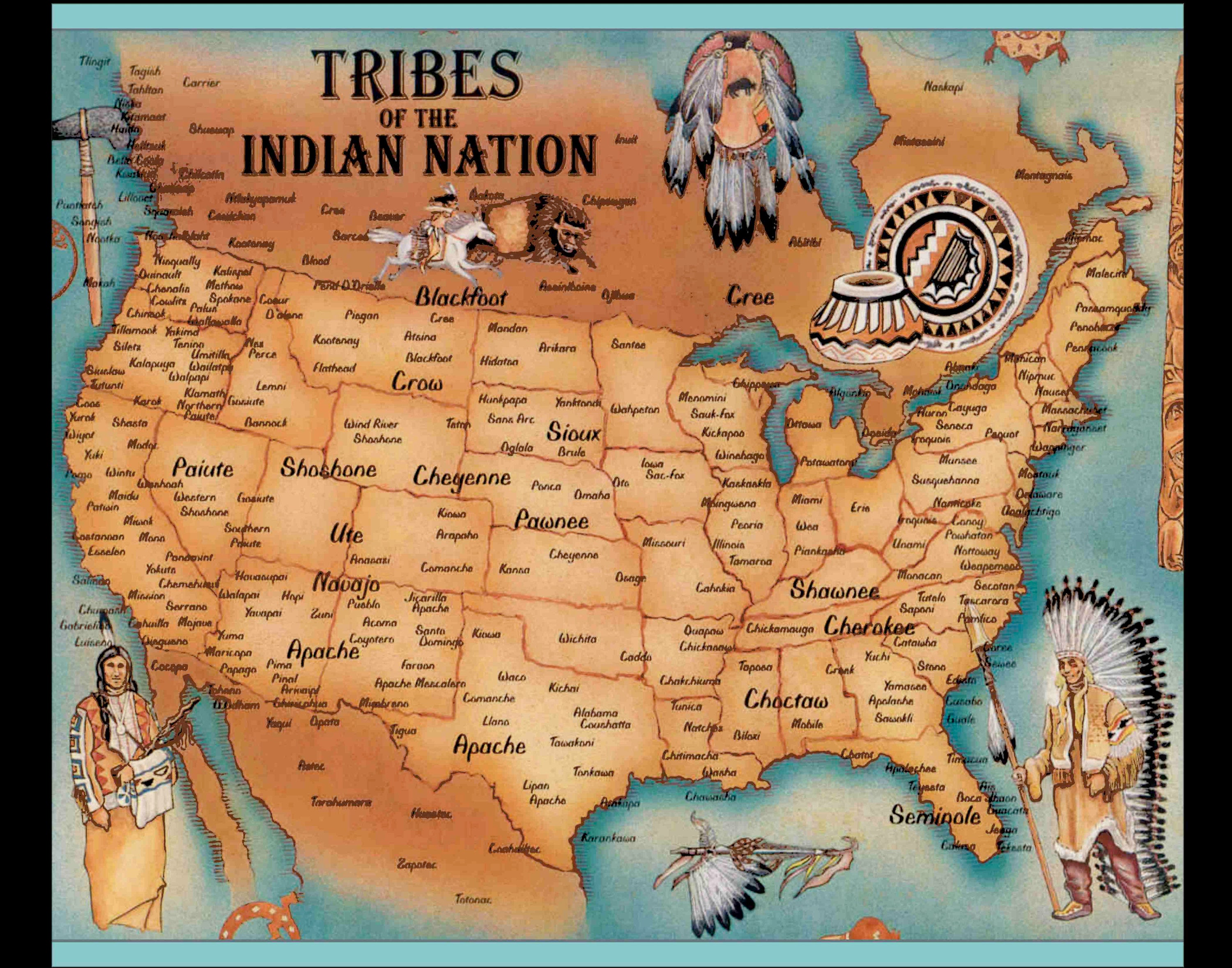
The Living Map: A Journey Through Native American Regalia Styles
Native American regalia is far more than mere clothing; it is a profound visual language, a living map etched with the stories of nations, histories of resilience, and identities deeply rooted in land, spirituality, and community. To understand the "Map of Native American Regalia Styles" is to embark on a journey across the diverse landscapes of North America, where each stitch, bead, feather, and fiber tells a unique tale of ingenuity, cultural continuity, and profound meaning. This article will navigate these distinct regional styles, delving into their historical evolution and the intrinsic role they play in expressing individual and collective identity, offering insights suitable for both the curious traveler and the earnest student of history.
Understanding Regalia: Beyond the "Costume"
Before charting the map, it’s crucial to define "regalia." This term encompasses the ceremonial, spiritual, and often everyday attire, accessories, and adornments worn by Indigenous peoples. It stands in stark contrast to the often-misleading and disrespectful term "costume," which implies artifice or disguise. Regalia is authentic; it is an extension of identity, a connection to ancestors, and a declaration of sovereignty. Crafted with meticulous care from materials sourced directly from the environment – hides, furs, quills, shells, plant fibers, and later, trade goods like glass beads and wool cloth – each piece is imbued with intention, symbolism, and a deep respect for the natural world.

Charting the Cultural Regions: A Tapestry of Styles
North America is traditionally divided into several major cultural areas, each with distinctive environmental resources that shaped the lifestyles, technologies, and, consequently, the regalia styles of the Indigenous nations residing there.
1. Northeast Woodlands
Geography & Lifestyle: Stretching from the Great Lakes to the Atlantic coast, this region was characterized by dense forests, abundant waterways, and a mix of hunting, gathering, and agriculture (corn, beans, squash). Nations like the Iroquois (Haudenosaunee), Wampanoag, Algonquin, and Lenape thrived here.

Regalia Styles:
- Materials: Deerskin, moose hide, woven plant fibers, porcupine quills, wampum (shell beads), natural dyes.
- Distinctive Elements:

- Wampum Belts: More than just decoration, these belts, made from quahog and whelk shells, served as historical documents, treaties, and records of significant events, worn by leaders as symbols of authority and memory.
- Moccasins: Soft-soled, often elaborately decorated with quillwork or moosehair embroidery, reflecting regional variations in design.
- Leggings and Tunics: Made from deerskin, often fringed and adorned.
- Headdresses: For men, roach headdresses made from deer hair and porcupine quills were common, especially among Iroquois and Great Lakes nations.
- Quillwork: A highly skilled art form where flattened porcupine quills were dyed and sewn onto hide or birchbark in intricate geometric and floral patterns.

History & Identity: Northeast regalia reflects a deep connection to the forest environment and a history of sophisticated political structures (like the Iroquois Confederacy). The intricate quillwork and wampum belts were not just beautiful; they were powerful statements of tribal identity, spiritual beliefs, and historical narratives, serving as tangible links to ancestral wisdom and inter-tribal relations.
2. Southeast Woodlands
Geography & Lifestyle: Encompassing the fertile lands from the Atlantic to the Mississippi River, nations like the Cherokee, Choctaw, Creek, and Seminole developed advanced agricultural societies, elaborate mound-building, and complex social structures in a humid, temperate climate.
Regalia Styles:
- Materials: Deerskin, woven plant fibers (cotton, swamp cane), shell, pearls, copper, feathers.
- Distinctive Elements:
- Woven Textiles: Sophisticated weaving techniques produced skirts, sashes, and cloaks from plant fibers.
- Shell Gorgets: Carved shell pendants, often depicting mythological figures, animals, or geometric patterns, indicating status and spiritual beliefs.
- Featherwork: Historical accounts describe elaborate feather cloaks and headdresses, though few survive due to preservation challenges.
- Beadwork: After European contact, glass beads were quickly integrated, used in intricate geometric patterns on clothing and accessories.
- Turbans and Headbands: Often adorned with feathers or silver ornaments, particularly among the Seminole and Creek.
History & Identity: Southeast regalia, particularly the shell gorgets and elaborate weaving, speaks to a rich pre-contact history of ceremonial life and a hierarchical society. Post-contact, the adoption of trade cloth and beads led to new expressions, but the core identity, often linked to clan systems and agricultural cycles, remained visible. The vibrant patchwork clothing of the Seminole, for instance, is a distinct visual marker of their enduring identity and resistance.
3. Great Plains
Geography & Lifestyle: The vast grasslands of central North America were home to nomadic and semi-nomadic nations like the Lakota, Cheyenne, Comanche, Blackfoot, and Crow, whose lives revolved around the buffalo hunt and, later, the horse.
Regalia Styles:
- Materials: Buffalo hide, deerskin, elk hide, porcupine quills, eagle feathers, dentalium shells, glass beads (post-contact).
- Distinctive Elements:
- War Bonnets (Eagle Feather Headdresses): Iconic but often misunderstood, these were earned by men for acts of bravery and leadership, with each feather representing an honor. They were not worn by all men and certainly not by women.
- Painted Hides: Buffalo robes and tipis were painted with historical narratives, spiritual visions, and biographical accounts (winter counts, battle scenes).
- Beadwork: Geometric and later, floral patterns, covering everything from moccasins and bags to dresses and shirts, using tiny glass beads. Beadwork often conveyed personal or tribal identity through specific color palettes and designs.
- Quillwork: Pre-dates beadwork and was used for similar decorative purposes on clothing and ceremonial items.
- Fringed Clothing: Deerskin shirts, dresses, and leggings often featured long fringes, sometimes with additional adornments like beads or quills.
- Breastplates: Made from rows of bone (often buffalo or elk bone) or shell, worn by men for protection and ceremonial purposes.
History & Identity: Plains regalia is inextricably linked to the horse culture, the buffalo, and a warrior ethos. It visually articulated individual achievements, spiritual connections, and tribal affiliation. The war bonnet, in particular, is a powerful symbol of leadership and earned respect, deeply tied to the history of inter-tribal warfare and defense of lands. The vibrancy of Plains regalia today, especially at powwows, is a testament to cultural resilience and pride.
4. Southwest
Geography & Lifestyle: The arid and semi-arid lands of Arizona, New Mexico, and parts of surrounding states were home to Pueblo peoples (Hopi, Zuni, Taos), Navajo (Diné), Apache, and others, who developed sophisticated irrigation agriculture and unique architectural traditions.
Regalia Styles:
- Materials: Woven cotton, wool (from churro sheep introduced by Spanish), deerskin, turquoise, silver, shell (heishi), clay, plant fibers.
- Distinctive Elements:
- Woven Textiles:
- Navajo Weaving: Famous for intricate blankets, rugs, and dresses, often featuring geometric patterns and natural dyes. Weaving is a central cultural practice for Diné women.
- Pueblo Textiles: Woven sashes, kilts, and dresses, often with embroidered designs, used in ceremonial dances.
- Jewelry:
- Turquoise and Silver: The iconic jewelry of the Southwest, with intricate silverwork (stamping, casting, repoussé) combined with turquoise stones, symbolizing protection, health, and connection to the sky and earth.
- Heishi: Shell bead necklaces, particularly associated with the Kewa (Santo Domingo) Pueblo.
- Moccasins: Distinctive hard-soled moccasins for Pueblo peoples, often dyed white, and softer deerskin moccasins for Navajo and Apache.
- Kachina Dolls (Hopi/Zuni): While not worn, these carved figures represent spiritual beings and offer a visual guide to ceremonial attire.
- Woven Textiles:
History & Identity: Southwest regalia reflects a deep spiritual connection to the land and ancient traditions. The weaving traditions, passed down through generations, are not just economic but are acts of cultural preservation. Jewelry, particularly turquoise and silver, signifies not only wealth but also spiritual well-being and tribal identity. The continuity of these styles, despite centuries of colonial pressure, speaks to the strength of cultural identity in the region.
5. California & Great Basin
Geography & Lifestyle:
- California: Diverse environments from coastlines to mountains, supporting numerous small, distinct nations (e.g., Chumash, Pomo, Hupa, Yurok) with rich acorn-gathering, fishing, and hunting traditions.
- Great Basin: Arid desert and mountain regions (e.g., Paiute, Shoshone, Ute), characterized by highly mobile hunter-gatherer lifestyles.
Regalia Styles:
- Materials: Plant fibers (willow, tule, cedar bark), feathers, shell (dentalium, abalone), deerskin, seeds, porcupine quills.
- Distinctive Elements:
- Basketry: Exceptional basket weaving skills were central, producing not only utilitarian items but also intricate basketry caps (often worn by women in California) and ceremonial pieces.
- Shell Money & Adornments: Dentalium shells (long, slender shells) served as currency and were highly valued for adornment, especially in Northern California. Abalone shells were also used for iridescent pendants.
- Featherwork: Elaborate feather capes, skirts, and headpieces, especially in California, using the vibrant plumage of local birds.
- Plant Fiber Clothing: Skirts and cloaks woven from grasses or bark, particularly in the warmer regions.
- Simpler Attire (Great Basin): Reflecting the sparse resources and mobile lifestyle, regalia was often more practical, made from tanned hides, with beadwork or simple painting for decoration.
History & Identity: The regalia of these regions highlights an intimate knowledge of local plant and animal resources. For California nations, the artistry in basketry and featherwork was paramount, signifying cultural wealth and spiritual connection. In the Great Basin, the emphasis on utility and mobility shaped less elaborate, but equally meaningful, adornments. The continued practice of basket weaving and traditional dances keeps these identities vibrant.
6. Northwest Coast
Geography & Lifestyle: The temperate rainforests, rugged coastlines, and abundant marine resources (salmon, cedar) of the Pacific Northwest sustained nations like the Haida, Tlingit, Kwakwakaʼwakw, and Salish, who developed highly stratified societies, elaborate ceremonial life, and distinctive art forms.
Regalia Styles:
- Materials: Cedar bark (woven, shredded), wool (mountain goat, dog hair), abalone shell, dentalium, copper, furs, natural pigments.
- Distinctive Elements:
- Chilkat and Ravenstail Blankets: Exquisitely woven blankets from mountain goat wool and cedar bark, featuring intricate, curvilinear "formline" designs depicting clan crests, animals, and mythological beings. These are high-status items, worn during ceremonies.
- Button Blankets: Wool blankets adorned with mother-of-pearl buttons in clan crest designs, worn at potlatches and other significant events.
- Carved Masks and Headdresses: Masterfully carved cedar masks, often depicting ancestral spirits, animals, and mythological figures, used in elaborate ceremonial dances and theatrical performances.
- Cedar Bark Weaving: Hats, capes, and skirts woven from shredded cedar bark, both practical and ceremonial.
- Copper Shields (Tlina): Hammered copper plates, often engraved with crests, representing immense wealth and status, sometimes worn or displayed during potlatches.
History & Identity: Northwest Coast regalia is inseparable from the concept of the potlatch – elaborate ceremonial feasts where wealth was distributed, and social status affirmed. Each design, from a button blanket to a carved mask, communicates lineage, clan affiliation, and connection to ancestral spirits. The continuity of these complex art forms, despite colonial attempts to suppress the potlatch, is a powerful statement of cultural resilience and identity.
7. Subarctic and Arctic
Geography & Lifestyle:
- Subarctic: The vast boreal forests and tundra stretching across Canada and Alaska, home to Athabascan (Dene) and Algonquian-speaking peoples (e.g., Cree, Gwich’in, Yup’ik), relying on caribou, moose, and fish.
- Arctic: The treeless, frozen expanses of the far North, inhabited by Inuit and Yup’ik peoples, adapted to a life of hunting marine mammals (seals, whales) and caribou.
Regalia Styles:
- Materials: Caribou hide, moose hide, various furs (arctic fox, beaver, wolverine), gut (seal or walrus intestine), beads (trade), dentalium, porcupine quills.
- Distinctive Elements:
- Parkas and Outerwear: Essential for survival, made from multiple layers of caribou or sealskin, expertly tailored for warmth and mobility. Often adorned with fur trim, intricate beadwork (especially floral patterns in the Subarctic), or dentalium shells.
- Mitts and Moccasins/Boots: Crafted from hides and furs, often decorated. Kamiks (Inuit boots) are waterproof and highly functional.
- Gut-Skin Parkas (Arctic): Made from meticulously prepared seal or walrus intestines, these lightweight, waterproof garments were crucial for hunting in marine environments.
- Beadwork and Quillwork (Subarctic): Distinctive floral patterns, often on a dark background, adorning jackets, bags, and moccasins, a fusion of Indigenous aesthetics with European trade goods.
History & Identity: Regalia in these harsh environments is a testament to survival and ingenuity. Every piece of clothing is a critical life-support system, and its decoration speaks to the wearer’s connection to the land, successful hunts, and spiritual well-being. The intricate beadwork of the Subarctic nations, and the ingenious tailoring of Arctic parkas, represent deep cultural knowledge and an enduring identity shaped by the extreme environment.
History and Evolution: Adaptability and Resilience
The "map" of regalia styles is not static. It has evolved dramatically over millennia.
- Pre-Contact: Indigenous peoples utilized local, natural materials with incredible skill, developing sophisticated techniques like quillwork, weaving, hide tanning, and shell carving. Designs were deeply spiritual and culturally specific.
- Post-Contact: The arrival of Europeans introduced new materials: glass beads, wool cloth, metal tools, and dyes. Indigenous artists rapidly integrated these, adapting and innovating rather than abandoning their traditions. Glass beads replaced or augmented quills and shells, offering a wider palette and new possibilities for intricate designs. Trade cloth became a canvas for embroidery and appliqué. This adaptation was a sign of cultural strength, not weakness.
- Colonial Suppression & Revival: Throughout periods of forced assimilation, particularly with the establishment of residential/boarding schools and the banning of ceremonies, traditional regalia was often confiscated or forbidden. Yet, Indigenous peoples resisted, often continuing practices in secret. The late 20th and 21st centuries have seen a powerful resurgence of traditional arts, with elders teaching younger generations and artists reclaiming ancestral designs and techniques. Powwows, inter-tribal gatherings, have become vibrant showcases of evolving regalia, celebrating both tradition and contemporary Indigenous identity.
Identity, Spirituality, and Meaning: The Soul of Regalia
Regalia is a powerful medium for expressing identity on multiple levels:
- Tribal Affiliation: Distinctive styles, colors, and motifs immediately identify one’s nation or community.
- Individual Status and Achievements: Feathers, specific patterns, or types of materials can signify leadership, spiritual journeys, acts of bravery, or participation in ceremonies.
- Gender Roles: Many forms of regalia are gender-specific, reflecting traditional roles and responsibilities within a community.
- Spirituality: Many materials are considered sacred (e.g., eagle feathers), and designs often carry spiritual significance, connecting the wearer to the natural world, ancestors, and the Creator.
- Storytelling: Designs can encapsulate origin stories, historical events, personal visions, and clan histories.
- Sovereignty and Resistance: Wearing traditional regalia in contemporary settings is a powerful assertion of Indigenous sovereignty, cultural survival, and a refusal to be erased by colonial narratives. It is a visual declaration: "We are still here."
Engaging Respectfully: A Guide for Travelers and Learners
When encountering Native American regalia, especially as a visitor or student, respectful engagement is paramount:
- It’s Not a Costume: Reiterate this. It is sacred, personal, and profoundly meaningful.
- Understand Context: Regalia is often worn for specific ceremonies, dances, or celebrations. Its significance can be lost or misrepresented outside of this context.
- Always Ask Before Photographing: Many pieces of regalia are deeply personal or spiritual. Always seek permission before taking photos, and respect a "no."
- Support Native Artists: If purchasing Indigenous art or jewelry, ensure it is authentic and directly supports Indigenous artists and communities. Avoid cultural appropriation or buying "Native-inspired" items from non-Indigenous sources.
- Learn from Indigenous Voices: Seek out museums, cultural centers, and educational resources created and curated by Indigenous peoples themselves.
Conclusion: A Living Legacy
The map of Native American regalia styles is not a static historical artifact but a dynamic, living legacy. It is a testament to the incredible diversity, artistic brilliance, and enduring spirit of Indigenous peoples across North America. Each distinct regional style, shaped by environment, history, and spiritual beliefs, contributes to a grand tapestry that weaves together individual identities with the collective memory and aspirations of nations. To appreciate this map is to appreciate the profound stories of human ingenuity, cultural resilience, and the vibrant, continuing presence of Indigenous cultures today. It is an invitation to look, learn, and respect the deep meaning held within every thread, bead, and feather.

