Sovereign Power: Mapping Native American Renewable Energy and the Resurgence of Identity
Across the vast, diverse landscapes of North America, a quiet yet profound revolution is taking root – one that interweaves ancient wisdom with cutting-edge technology. This is the story told by the conceptual "Map of Native American Renewable Energy Projects," a powerful visual narrative that transcends mere data points to represent a resurgence of Indigenous sovereignty, economic self-determination, and a deep, abiding commitment to environmental stewardship. For the traveler seeking meaningful engagement and the educator aiming to illuminate history, this map is not just a guide to energy infrastructure, but a living testament to resilience, identity, and a sustainable future.
The Land and Its Enduring Legacy
To understand the significance of Native American renewable energy, one must first grasp the profound and often painful history of Indigenous peoples in North America. For millennia, tribal nations have been the primary stewards of these lands, developing intricate systems of ecological knowledge and living in symbiotic relationship with the environment. Their cultures, spiritual beliefs, and very identities are inextricably linked to the land, its rivers, mountains, and skies.
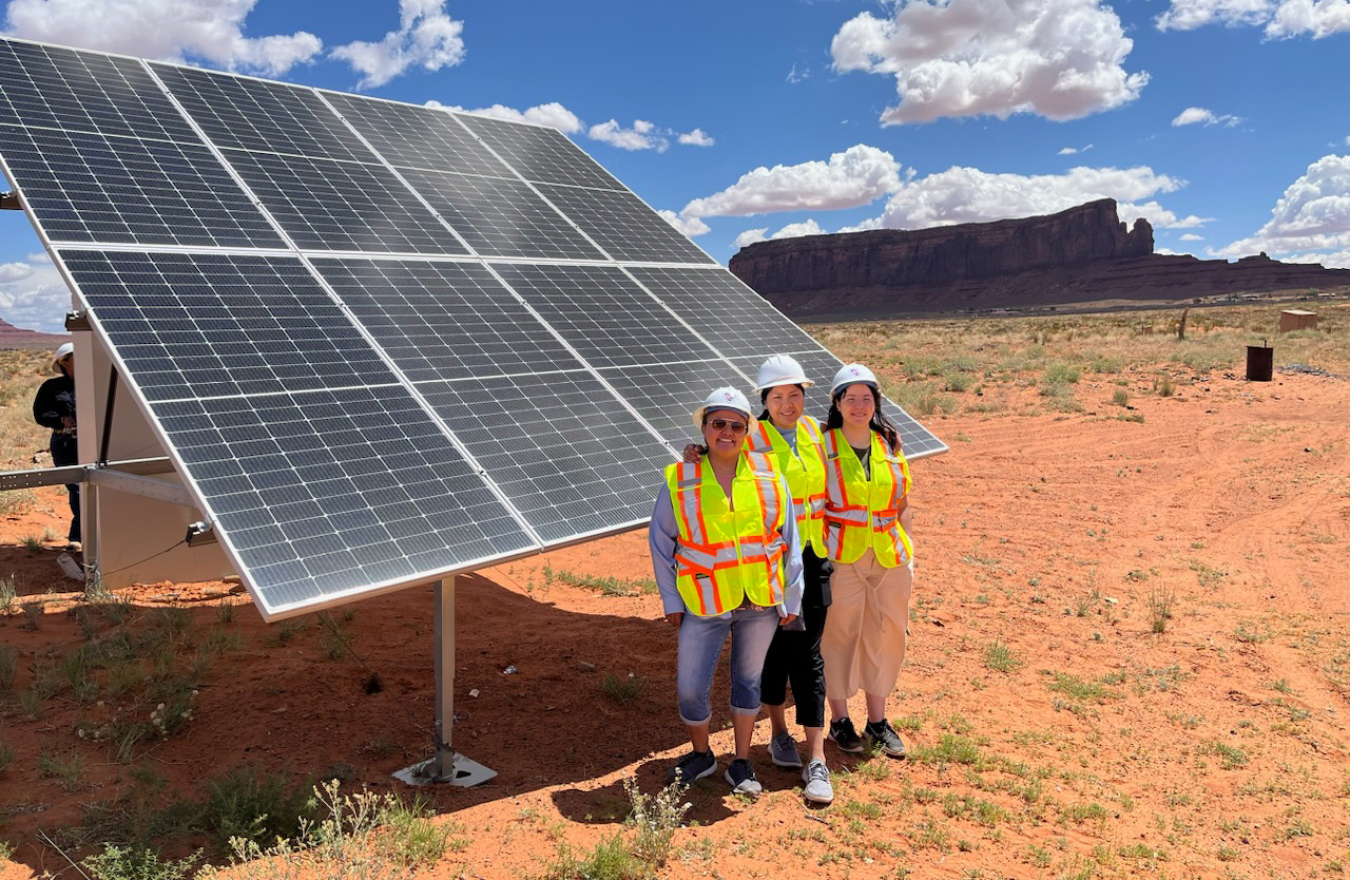
However, the arrival of European colonizers ushered in an era of systematic land dispossession, forced relocation, and the imposition of foreign governance. Treaties were broken, ancestral lands were seized, and tribal communities were confined to reservations—often areas deemed undesirable or resource-poor by the encroaching settlers. Ironically, many of these "undesirable" lands, particularly in the arid Southwest, the windy Great Plains, and the geothermally active West, possess immense natural resources for renewable energy: abundant sunshine, persistent winds, and subsurface heat.
Throughout the 19th and 20th centuries, tribal lands frequently became targets for external resource extraction. Coal, oil, natural gas, and uranium were mined, often with minimal benefit to the tribes themselves, and frequently leaving behind a legacy of environmental degradation and health crises. This history of external exploitation, where resources were taken without tribal consent or fair compensation, deeply ingrained a sense of powerlessness and economic dependency. The modern renewable energy movement on tribal lands must be viewed through this historical lens: it is not just about producing electricity, but about reclaiming agency over ancestral territories and shaping a future free from colonial patterns of resource exploitation.
Renewable Energy as Self-Determination: Reclaiming Power
The map of Native American renewable energy projects is, at its core, a visual representation of self-determination. For tribal nations, developing their own renewable energy sources offers multiple layers of sovereignty:
- Economic Sovereignty: These projects generate substantial revenue through energy sales, lease payments, and carbon credits. This revenue directly funds essential tribal services like healthcare, education, housing, and cultural programs, reducing reliance on federal grants and external funding. They create local jobs, offering training and employment opportunities that keep tribal members on their homelands, fostering economic stability and growth within the community.
- Energy Independence: Many remote tribal communities have historically lacked reliable access to affordable electricity, relying on outdated infrastructure or expensive diesel generators. Renewable projects, particularly distributed generation like rooftop solar or community microgrids, provide energy independence, enhancing grid reliability and reducing vulnerability to external energy markets or outages.
- Environmental Stewardship: Aligned with traditional ecological knowledge (TEK) and long-held cultural values, renewable energy development embodies a commitment to protecting Mother Earth. Tribes are often at the forefront of climate change impacts, witnessing firsthand the degradation of ecosystems critical to their cultural practices and subsistence. Investing in clean energy is a natural extension of their role as environmental stewards, mitigating climate change and preserving natural resources for future generations.
- Political and Cultural Assertiveness: By initiating, developing, and owning these projects, tribal nations assert their inherent sovereign rights. They demonstrate their capacity for complex infrastructure development and strategic planning, challenging historical stereotypes and reinforcing their status as distinct governmental entities. Each project becomes a statement of resilience and a beacon of hope for future generations.

The Landscape of Innovation: What the Map Reveals
The map showcases a diverse array of renewable energy projects, each tailored to the specific resources and needs of the tribal nation.
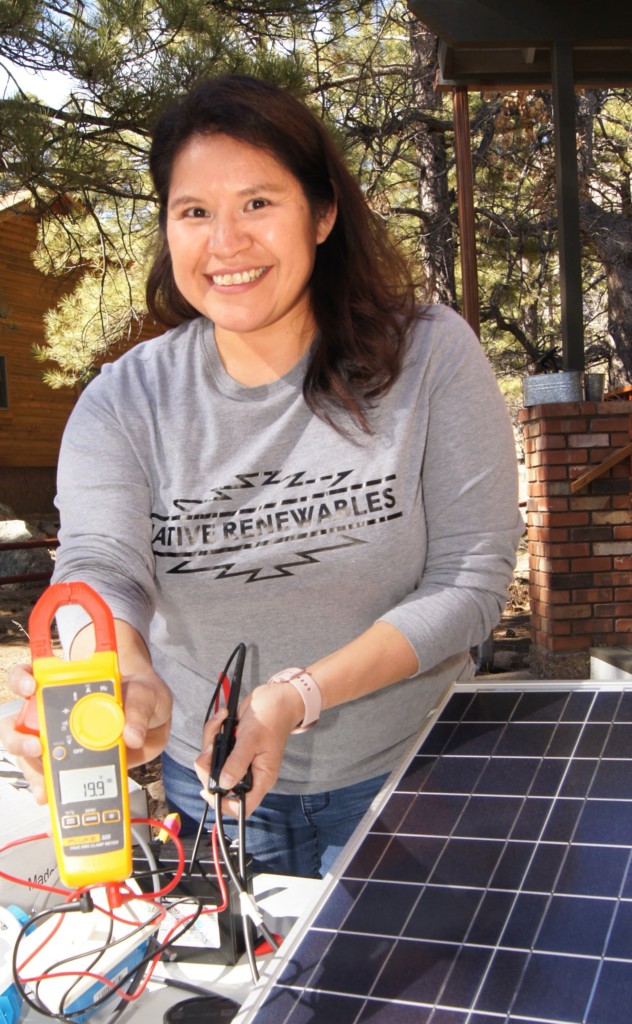
- Solar Power: Dominating the arid Southwest, solar projects are flourishing on reservations like the Navajo Nation, which boasts some of the highest solar potential in North America. Projects range from utility-scale solar farms, generating megawatts for regional grids, to smaller, distributed solar installations providing electricity to remote homes that have never had it before. The Navajo’s commitment to solar is not just economic; it’s a way to harness the power of the sun, a revered entity in their cosmology, for the benefit of their people.
- Wind Energy: On the vast plains of the Midwest, tribes like the Rosebud Sioux Tribe in South Dakota are harnessing the powerful winds that sweep across their ancestral lands. Their multi-megawatt wind farms not only provide clean energy but also serve as powerful symbols of tribal self-reliance and environmental leadership. These projects often include tribal ownership stakes, ensuring that the profits directly benefit the community.
- Geothermal Energy: In the volcanically active regions of the West, tribes like the Blue Lake Rancheria in Northern California are exploring geothermal power. This often-overlooked renewable source provides baseload power, operating 24/7, and aligns with traditional reverence for the earth’s deep power. The Blue Lake Rancheria’s microgrid project, incorporating solar, battery storage, and smart controls, exemplifies cutting-edge energy independence.
- Hydroelectric and Biomass: While less common for large-scale new developments, some tribes utilize existing small-scale hydro projects or explore biomass facilities, often converting agricultural waste or sustainably harvested timber into energy, further reducing waste and creating local value.

Each point on this map represents not just a power plant, but a community’s journey—a testament to vision, perseverance, and strategic investment.
Challenges and Opportunities: The Road Ahead
Despite the immense potential, Native American renewable energy development faces significant hurdles. Access to capital is often a major challenge, as tribes may lack the equity or credit ratings of large corporations. Navigating complex federal and state regulatory frameworks, securing interconnection agreements for transmission lines, and building internal technical capacity can also be daunting. Furthermore, historical mistrust stemming from past exploitations requires careful and equitable partnership development.
However, opportunities abound. Federal programs from the Department of Energy (DOE), Environmental Protection Agency (EPA), and USDA offer grants, technical assistance, and loan guarantees specifically for tribal energy projects. Partnerships with private developers, structured to ensure tribal ownership and control, are becoming more common. The increasing recognition of tribal sovereignty and the unique legal status of tribal lands are paving the way for more streamlined development processes. Moreover, the inherent spiritual and cultural connection to the land provides a powerful, enduring motivation that often surpasses purely economic incentives.
The Map as an Educational and Travel Gateway
For the discerning traveler and the dedicated educator, the "Map of Native American Renewable Energy Projects" serves as an invaluable tool.
- Educational Resource: It provides a tangible, real-world example of Indigenous innovation and environmental leadership. It allows students and the public to connect abstract concepts of renewable energy and climate change to concrete projects driven by distinct cultural values. It’s a powerful counter-narrative to historical depictions of Indigenous peoples as static or solely focused on the past, instead showcasing their dynamism and forward-thinking vision. Educators can use it to teach about tribal sovereignty, environmental justice, economic development, and sustainable solutions.
- Travel and Cultural Tourism: For travelers, this map opens doors to profound cultural experiences. While not all energy sites are open for public tours, the existence of these projects often coincides with vibrant tribal communities eager to share their culture. Imagine visiting a tribal park, learning about traditional land management practices, experiencing cultural events, and knowing that the lights in the community center are powered by the wind turbines you saw on the horizon or the solar panels on the roof. This fosters a deeper, more respectful form of eco-tourism and cultural immersion, where visitors can directly support the self-sufficiency and environmental goals of the tribes they visit. It encourages travelers to look beyond mainstream tourist destinations and engage with the living, evolving cultures of Indigenous America.
Identity Forged in Light and Wind
Ultimately, the map is more than a geographic spread of infrastructure; it is a profound declaration of identity. It asserts that Indigenous peoples are not just survivors of historical trauma, but architects of a sustainable future. Their energy projects are infused with ancestral wisdom, reflecting a holistic worldview that prioritizes balance, reciprocity, and long-term well-being over short-term gain. They are building not just power plants, but legacies – ensuring that future generations will inherit healthy lands, strong economies, and the enduring power of their unique cultural identities.
The Map of Native American Renewable Energy Projects is a dynamic, evolving document. Each new project added to its virtual landscape reinforces a message of hope, resilience, and sovereign power. It calls upon us all to recognize, respect, and support the incredible leadership of tribal nations in forging a truly sustainable and equitable world. It is a journey into the future, guided by the wisdom of the past, powered by the sun, wind, and earth of ancient lands.

