
A map charting Native American burial grounds is not merely a geographical tool; it is a profound historical document, a spiritual compass, and a testament to the enduring identity of Indigenous peoples across the North American continent. These sites, far from being inert historical markers, are living landscapes steeped in ancestral memory, cultural practice, and the ongoing struggle for recognition and respect. Understanding them requires delving deep into layers of pre-colonial spirituality, colonial violence, and contemporary efforts at reclamation and repatriation.
Before European contact, the lands now known as the United States and Canada were home to hundreds of diverse Native nations, each with unique spiritual beliefs, social structures, and burial practices. From the elaborate mound complexes of the Mississippian cultures (such as Cahokia) to the cliff dwellings of the Ancestral Puebloans, and the simpler earth burials common across countless tribes, the respectful disposition of the dead was a universal and deeply sacred act. These burial grounds were not just places of interment; they were integral components of a cosmological worldview, connecting the living with their ancestors, the land, and the spiritual realm. They served as physical anchors for oral histories, ceremonial practices, and community identity, embodying a profound sense of continuity and belonging. The deceased were often interred with grave goods – tools, ornaments, food – meant to accompany them on their journey to the spirit world, reflecting beliefs in an afterlife and the enduring connection between the material and spiritual.
The arrival of European colonizers shattered this ancient equilibrium. The subsequent centuries witnessed a systematic campaign of displacement, cultural suppression, and outright violence against Native American populations. Burial grounds, once sacred and protected, became targets of desecration, either through deliberate destruction to erase Indigenous presence, or through inadvertent disturbance by plowing, construction, and resource extraction. Grave robbing became rampant, fueled by academic curiosity, the nascent museum industry, and a morbid fascination with "exotic" cultures. Thousands of Native American human remains and sacred objects were unearthed, cataloged, and displayed in museums, universities, and private collections, both domestically and internationally, treated as scientific specimens or ethnographic curiosities rather than the revered ancestors and cultural patrimony they represented. This systematic removal was not merely a physical act; it was an assault on Indigenous identity, severing connections to the past and undermining cultural resilience.
The concept of a comprehensive "map" of these burial grounds is complex and fraught with ethical considerations. Unlike conventional maps designed for public access, any such inventory of Native American sacred sites, particularly burial grounds, must prioritize protection, privacy, and tribal sovereignty above all else. There is no single, publicly accessible, exhaustive map, and for good reason. Many sites are known only through oral tradition, protected by tribal knowledge, and deliberately kept from public view to prevent further desecration or commercial exploitation. Other sites have been lost to time, development, or natural processes, their locations known only through fragmented archaeological records or historical accounts.
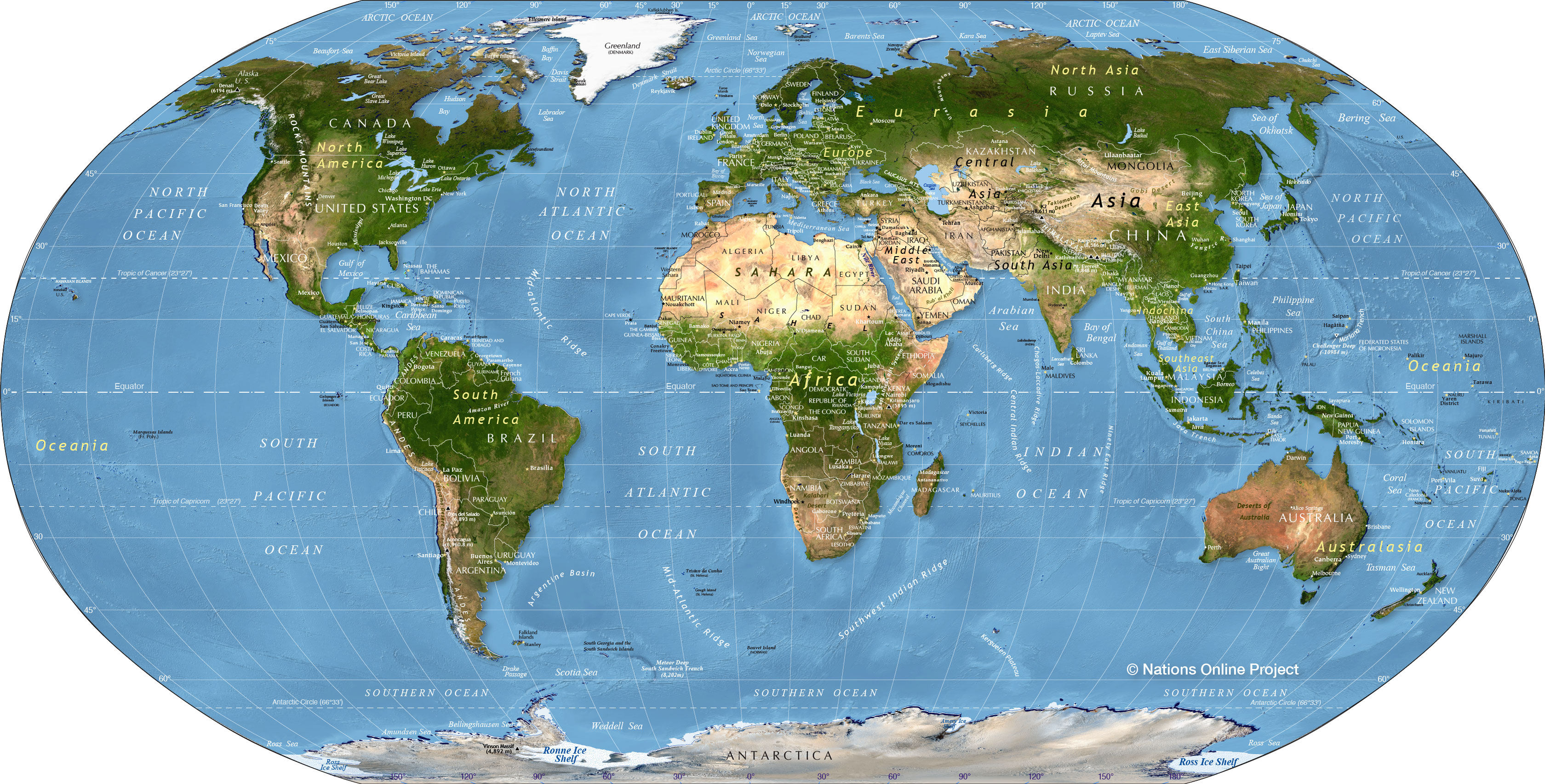
However, various forms of "mapping" do exist. Archaeological surveys conducted prior to development projects often uncover previously unknown sites, leading to their documentation. Federal and state agencies, in consultation with tribal nations, maintain confidential records of known burial grounds on public lands for preservation purposes. Crucially, the Native American Graves Protection and Repatriation Act (NAGPRA) of 1990 has been a monumental step in acknowledging and rectifying past injustices. NAGPRA mandates federal agencies and museums to inventory their collections of Native American human remains and associated funerary objects, and to repatriate them to culturally affiliated federally recognized tribes. While NAGPRA primarily deals with existing collections, it also provides a framework for the protection of newly discovered burial sites on federal and tribal lands. The data generated through NAGPRA compliance, while not a public map, forms an invaluable, albeit sensitive, internal record of ancestral locations and cultural patrimony.
The spiritual significance of these sites for contemporary Native American communities cannot be overstated. Burial grounds are tangible links to identity, history, and land. The ability to mourn, honor, and rebury ancestors on their ancestral lands is a fundamental human right and a powerful act of cultural affirmation and healing. Repatriation ceremonies are often deeply emotional and profoundly spiritual events, representing the return of stolen family members and the mending of generational wounds. These acts strengthen tribal sovereignty, revitalize cultural practices, and reinforce the spiritual connection between the people and their ancestral territories. For many tribes, ancestors are not simply "dead"; they are revered spirits whose presence continues to influence the living, and whose undisturbed rest is vital for the well-being of the community and the land itself.
Despite legal protections like NAGPRA, Native American burial grounds continue to face significant threats. Urbanization, agricultural expansion, and infrastructure projects constantly risk disturbing or destroying unmarked graves. Climate change, particularly coastal erosion and increased flooding, poses an existential threat to countless sites located along waterways and shorelines. Looting and illicit trafficking of cultural artifacts remain persistent problems, driven by a global market that often disregards the sacred nature of these objects and the laws protecting them. Education and public awareness are therefore critical components of ongoing preservation efforts. Shifting public perception from one of archaeological curiosity to one of sacred respect is essential.
For a traveler or history enthusiast, understanding Native American burial grounds is not about seeking them out for visitation, but rather about cultivating a profound respect for their sacred nature and the history they embody. Most burial grounds are not public tourist attractions; many are on private land, tribal land, or are intentionally unmarked to protect their sanctity. The most respectful approach is to learn about the Indigenous history of the specific region you are visiting, to support tribal cultural centers and museums, and to listen to Native voices. If you happen upon a site that appears to be a burial ground or an archaeological site, the ethical imperative is to leave it undisturbed, report it to local tribal authorities or cultural resource management agencies if appropriate, and to educate yourself on the protocols for respecting sacred spaces. This means refraining from collecting artifacts, walking on mounds or structures, or engaging in any activity that could be seen as disrespectful.
The existence of these sites, whether mapped or unmapped, visible or hidden, serves as a powerful reminder of the enduring presence and resilience of Native American cultures. They challenge dominant historical narratives that often erase Indigenous contributions and experiences, forcing a confrontation with the often-brutal realities of colonial expansion. Repatriation and preservation efforts are not just about righting past wrongs; they are about fostering a more inclusive and truthful understanding of American history, and about supporting the self-determination and cultural revitalization of Indigenous nations in the present day.
In conclusion, a "map" of Native American burial grounds is a conceptual construct more than a literal one. It represents a vast, interconnected network of sacred spaces that underscore the deep spiritual and historical ties between Indigenous peoples and their ancestral lands. These sites are powerful symbols of identity, resilience, and the ongoing struggle for justice and respect. For anyone seeking to engage with American history and culture, understanding the profound significance of these burial grounds—and approaching them with the utmost reverence—is not merely an academic exercise, but a moral imperative. It is an acknowledgment that the ground beneath our feet often holds not just earth, but the sacred memory of generations, awaiting our respect and understanding.


