Unveiling the Indigenous Tapestry: A Geographical Correction and Celebration of Cultures – Why Native American Tribes Aren’t Near the Northern Mariana Islands
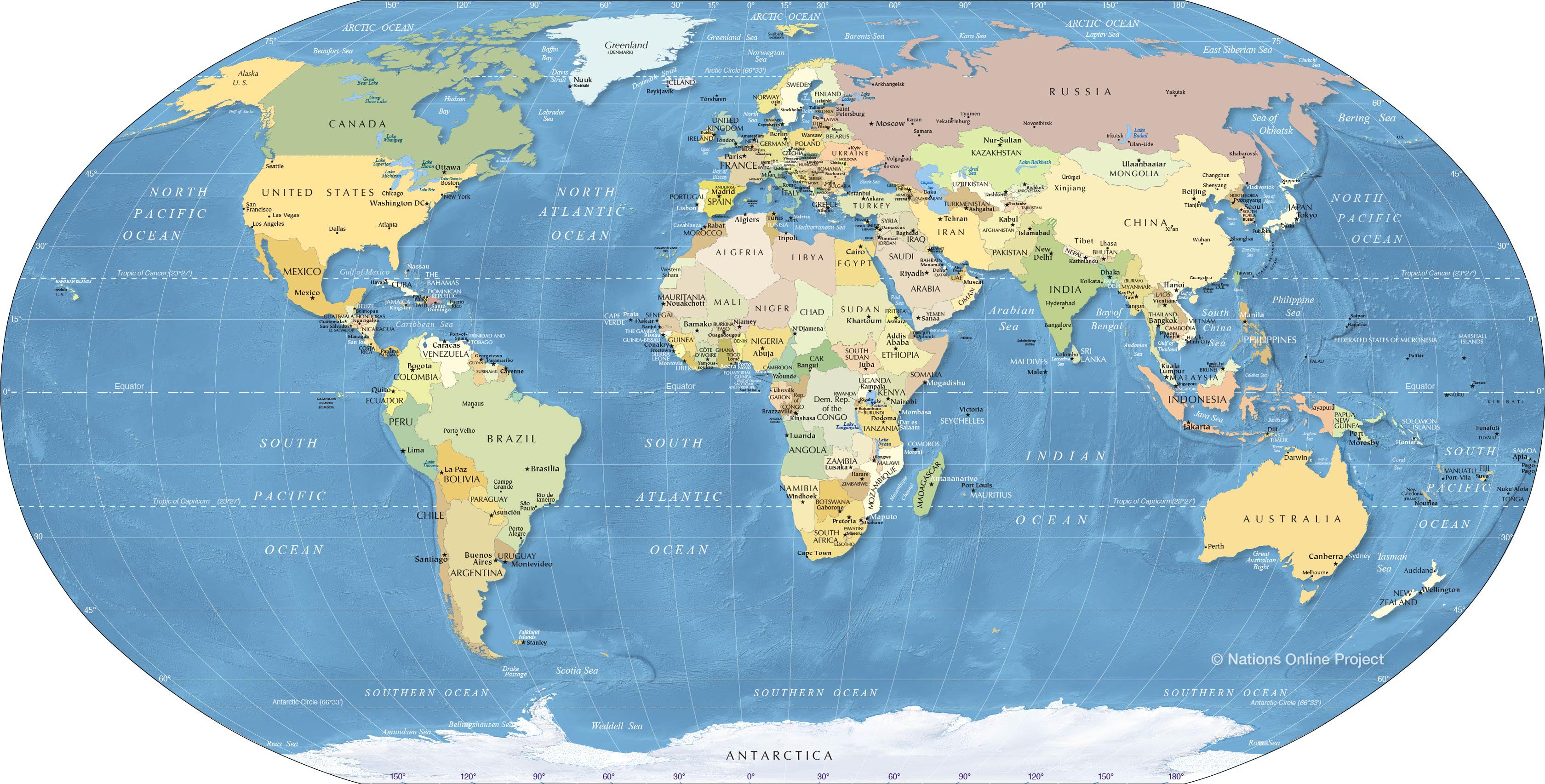
The query, "Map of Native American tribes near the Northern Mariana Islands," immediately flags a significant geographical and cultural misconception. To understand the indigenous tapestry of our world, precision is paramount. Let’s be unequivocally clear from the outset: there are no Native American tribes, in the traditional sense, near the Northern Mariana Islands. Native American tribes are indigenous to the North and South American continents, their histories, cultures, and lands intrinsically tied to these landmasses, separated by thousands of miles of ocean from the Pacific archipelago of the Northern Mariana Islands (NMI).
This article will meticulously explain this geographical reality, correct the common misunderstanding, and then pivot to celebrate the actual vibrant indigenous cultures of the Northern Mariana Islands – the Chamorro and Carolinian peoples. We will explore their deep histories, unique identities, and the profound connection to their ancestral lands, offering insights suitable for both the curious traveler and the history enthusiast. By understanding why the initial premise is incorrect, we gain a richer appreciation for the distinct and diverse indigenous heritage that truly defines these remote Pacific islands.
The Great Divide: Geography and the Definition of "Native American"
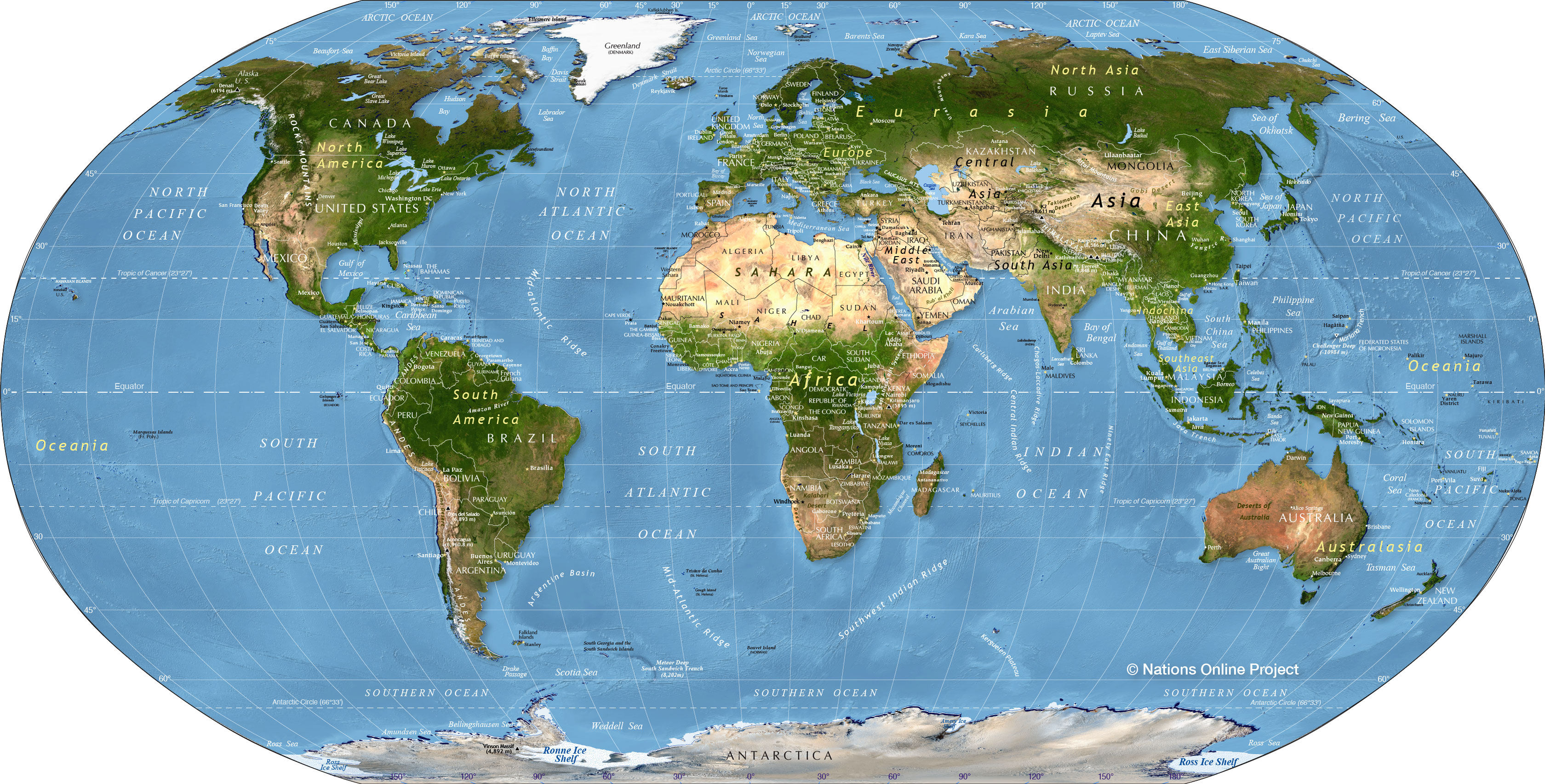
To appreciate the distinction, one must first grasp the vastness of the Pacific Ocean and the origins of the terms "Native American" and "indigenous."
"Native American" refers specifically to the indigenous peoples of the Americas, comprising hundreds of distinct nations, tribes, and linguistic groups from Alaska to Patagonia. Their histories stretch back tens of thousands of years, marked by unique migrations, complex societal structures, distinct spiritual beliefs, and profound connections to the North and South American landscapes. A map of Native American tribes would show territories spanning vast plains, dense forests, arid deserts, and rugged mountains across these two continents.
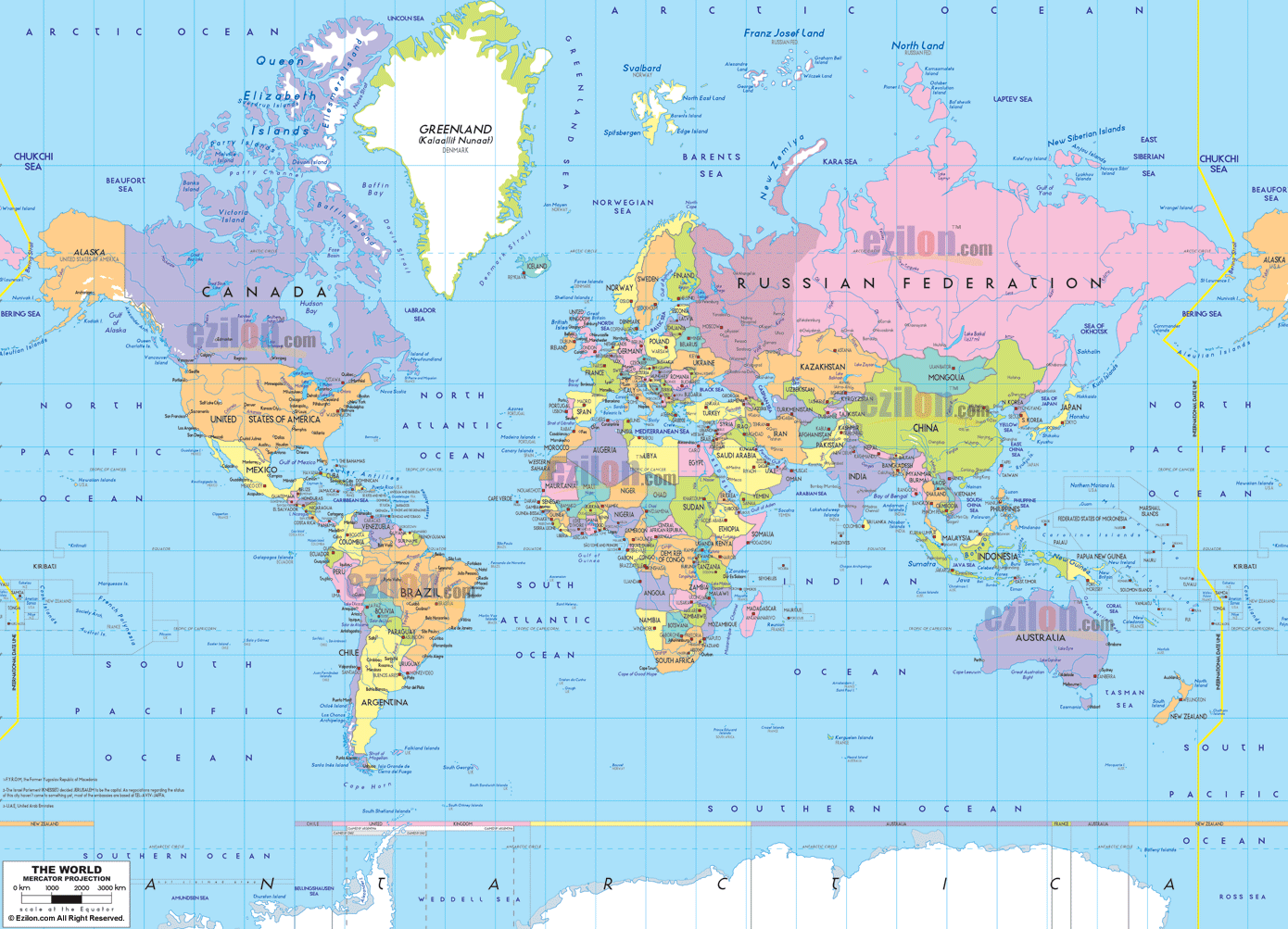
The Northern Mariana Islands, conversely, are an archipelago located in Micronesia, thousands of miles west of the American continents, deep within the Western Pacific. This chain of 15 islands, including Saipan, Tinian, and Rota, is part of Oceania, a region with its own distinct human migration patterns, languages, and cultural developments that are entirely separate from those of the Americas. The earliest inhabitants of the Marianas migrated from Southeast Asia over 3,500 years ago, following ancient seafaring routes across the Pacific.
Therefore, the very definition of "Native American" precludes their presence in the Northern Mariana Islands. Their ancestral lands, cultural evolution, and historical trajectories are tied to entirely different hemispheres and migratory paths. To conflate the indigenous peoples of the Pacific with Native Americans is to erase the unique identities and histories of both.
The True Keepers of the Marianas: The Chamorro People
With the geographical correction established, we can now turn our focus to the true indigenous heritage of the Northern Mariana Islands: the Chamorro people. They are the aboriginal inhabitants of the Mariana Archipelago, including Guam (a separate U.S. territory) and the NMI. Their history is one of remarkable resilience, adaptation, and a profound connection to their island environment.
Ancient Origins and a Seafaring Legacy:
The Chamorro people’s ancestors arrived in the Marianas between 3,500 to 4,000 years ago, making them one of the oldest continuously inhabited cultures in Oceania. They were master navigators, using sophisticated knowledge of stars, currents, and swells to journey across vast stretches of ocean. Their society was highly organized, often described as matrilineal, with women holding significant power and influence, particularly in land ownership and family decisions.

Cultural Pillars:
Chamorro culture is rich and distinctive, characterized by several key elements:
- Language (Fino’ Chamoru): An Austronesian language with significant Spanish influence due to centuries of colonization. Efforts to revitalize the language are ongoing and vital to cultural preservation.
- Latte Stones: Perhaps the most iconic symbol of ancient Chamorro civilization, these megalithic stone pillars topped with capstones (haligi and tåsa) served as foundations for important structures, possibly homes for high-ranking individuals or community meeting places. They are unique to the Mariana Islands and a testament to the advanced engineering and societal complexity of the ancient Chamorros.
- Navigation and Seafaring: Before European contact, the Chamorros were renowned for their fast, maneuverable "flying proas" (sakman), which allowed them to navigate the challenging Pacific waters with unparalleled skill. This mastery of the sea was central to their subsistence and cultural identity.
- Spiritual Beliefs (Taotaomo’na): Ancient Chamorro beliefs included a reverence for ancestors (taotaomo’na), who were believed to reside in the natural world, particularly in ancient banyan trees and latte sites. These spirits were respected and feared, embodying a deep spiritual connection to the land and its history.
- Oral Traditions and Arts: Storytelling, chants (kanta), and traditional dances (saina) have long been vital for transmitting history, values, and cultural knowledge across generations.

A History of Colonial Encounters and Resilience:
The Chamorro people’s history took a dramatic turn with the arrival of Ferdinand Magellan in 1521, marking the beginning of Spanish colonization that would last over three centuries. This period, known as the "Spanish-Chamorro Wars" (late 17th century), saw devastating population decline due to disease and warfare, forced relocation into centralized villages (the Reducción), and intense efforts to suppress indigenous culture and religion in favor of Catholicism. Despite these pressures, elements of Chamorro identity persisted, often interwoven with Spanish influences.
In the 20th century, the Marianas endured successive colonial powers: German, Japanese, and finally, American. Each left its indelible mark, further shaping Chamorro identity and history, but never fully extinguishing the indigenous spirit. Today, the Chamorro people continue to advocate for self-determination, cultural revitalization, and the preservation of their unique heritage in the face of modern global influences.
The Carolinian People: Master Navigators and New Settlers
While the Chamorro are the aboriginal inhabitants, another distinct indigenous group, the Carolinian people (locally referred to as Refaluwasch), also forms a significant part of the Northern Mariana Islands’ cultural landscape, particularly on Saipan and Tinian. Their story is one of migration, exceptional navigational prowess, and the establishment of new communities.
Origins in the Central Carolines:
The Carolinian people trace their ancestry to islands in the central Caroline chain, such as Satawal, Woleai, and Lamotrek. Their presence in the Northern Marianas largely stems from a series of migrations beginning in the late 18th and early 19th centuries. These migrations were often prompted by devastating typhoons and famines in their home islands, leading them to seek refuge and new homes in the relatively uninhabited northern islands of the Mariana chain, particularly Saipan, which had been depopulated during the Spanish-Chamorro Wars.
Unparalleled Navigational Skills:
The Carolinians are legendary for their traditional wayfinding techniques, passed down through generations. Their mastery of the star compass (Wofanu), wave patterns, cloud formations, and bird migrations allowed them to undertake epic voyages across thousands of miles of open ocean without instruments. Their large, deep-sea sailing canoes (wa) were marvels of engineering and sustainable design. This profound knowledge of the sea is not merely a skill but a core component of their identity and worldview, connecting them intimately to their environment and ancestral heritage.
Cultural Distinctives:
Carolinian culture, while sharing some commonalities with other Micronesian cultures, has its own unique characteristics:
- Language (Carolinian/Refaluwasch): An Austronesian language closely related to those spoken in the central Carolines. Like Chamorro, it is a vital marker of identity and is actively being preserved.
- Strong Clan System: Carolinian society is traditionally organized around a strong clan system, which dictates social relations, responsibilities, and land use.
- Deep Connection to the Sea: Beyond navigation, the sea informs every aspect of Carolinian life, from fishing techniques and canoe building to spiritual beliefs and oral traditions. Their relationship with the ocean is one of profound respect and interdependence.
- Traditional Crafts: Skillful weaving of mats, baskets, and intricate lavalavas (loincloths) from natural fibers, along with intricate shell and bead work, are important cultural expressions.
Coexistence and Shared Future:
Upon settling in the Northern Marianas, the Carolinians established new communities, often alongside the returning Chamorro populations. Over time, while maintaining their distinct cultural practices and languages, they have forged a shared future with the Chamorro people, often intermarrying and contributing to the rich multicultural fabric of the islands. Both groups have faced similar challenges under various colonial administrations and continue to work towards preserving their unique heritages.
Mapping the Indigenous Presence in the Northern Mariana Islands
So, what would a "map of native tribes" actually show for the Northern Mariana Islands? It would not depict reservations or territories in the manner often associated with Native American tribal lands. Instead, it would illustrate:
- Ancestral Chamorro Homelands: Highlighting the entire Mariana archipelago as the ancestral domain of the Chamorro people, with ancient latte sites and archaeological discoveries marking their long-standing presence across all habitable islands (Saipan, Tinian, Rota, Guam, etc.).
- Carolinian Settlement Areas: Indicating the specific areas where Carolinian communities were established, particularly on Saipan (e.g., Tanapag, Garapan) and Tinian, reflecting their later migrations and settlement patterns.
- Cultural and Historical Sites: Pinpointing locations of significant cultural importance for both groups, such as ancient latte parks, historical villages, sacred sites, traditional fishing grounds, and areas where cultural practices are actively maintained.
- Modern Demographics: Showing the contemporary distribution of Chamorro and Carolinian populations across the islands, acknowledging the urban centers and rural communities where these cultures thrive today.
Such a map would be a dynamic representation of historical migrations, colonial impacts, and ongoing cultural revitalization efforts, rather than rigid, pre-defined tribal boundaries. It would serve as a testament to the enduring presence and distinct identities of the Chamorro and Carolinian peoples.
Why Specificity Matters: A Call for Global Indigenous Awareness
The initial confusion regarding Native American tribes in the Northern Mariana Islands underscores a broader issue: the need for greater specificity and accuracy when discussing indigenous peoples worldwide. While there is a commendable global awareness of "indigenous rights" and "native cultures," a lack of geographical and cultural distinction can inadvertently homogenize diverse peoples, erasing their unique stories and struggles.
Each indigenous group, whether in the Americas, Oceania, Africa, or Asia, possesses a distinct history, language, spiritual worldview, and relationship with their land. Respecting these differences is not merely an academic exercise; it is fundamental to recognizing their sovereignty, supporting their cultural preservation efforts, and fostering genuine cross-cultural understanding.
For the traveler and the history enthusiast, this means approaching each destination with an open mind and a commitment to learning about the specific indigenous peoples who call that place home. It means asking: "Who are the original inhabitants here?" and delving into their unique narratives, rather than applying generalized labels.
Conclusion: Celebrating the Distinct Voices of the Pacific
In conclusion, while the Northern Mariana Islands are thousands of miles away from the ancestral lands of Native American tribes, they are home to an incredibly rich and distinct indigenous heritage embodied by the Chamorro and Carolinian peoples. Their stories are not of the American plains or forests, but of the vast Pacific Ocean, of ancient migrations, masterful navigation, and enduring resilience against centuries of colonial influence.
For anyone planning to visit or learn about the Northern Mariana Islands, the true journey of discovery lies in understanding and celebrating the Chamorro and Carolinian cultures. Explore the towering latte stones, listen to the rhythmic sounds of the Chamorro language, marvel at the legacy of Carolinian wayfinding, and engage with the communities dedicated to preserving these invaluable traditions. By doing so, we not only correct a geographical misconception but also honor the distinct voices and profound histories that truly define these beautiful islands, adding another vibrant thread to the global tapestry of human culture.

