Beyond the Map: Understanding Guam’s Indigenous Legacy – Why ‘Native American Tribes Near Guam’ is a Misconception
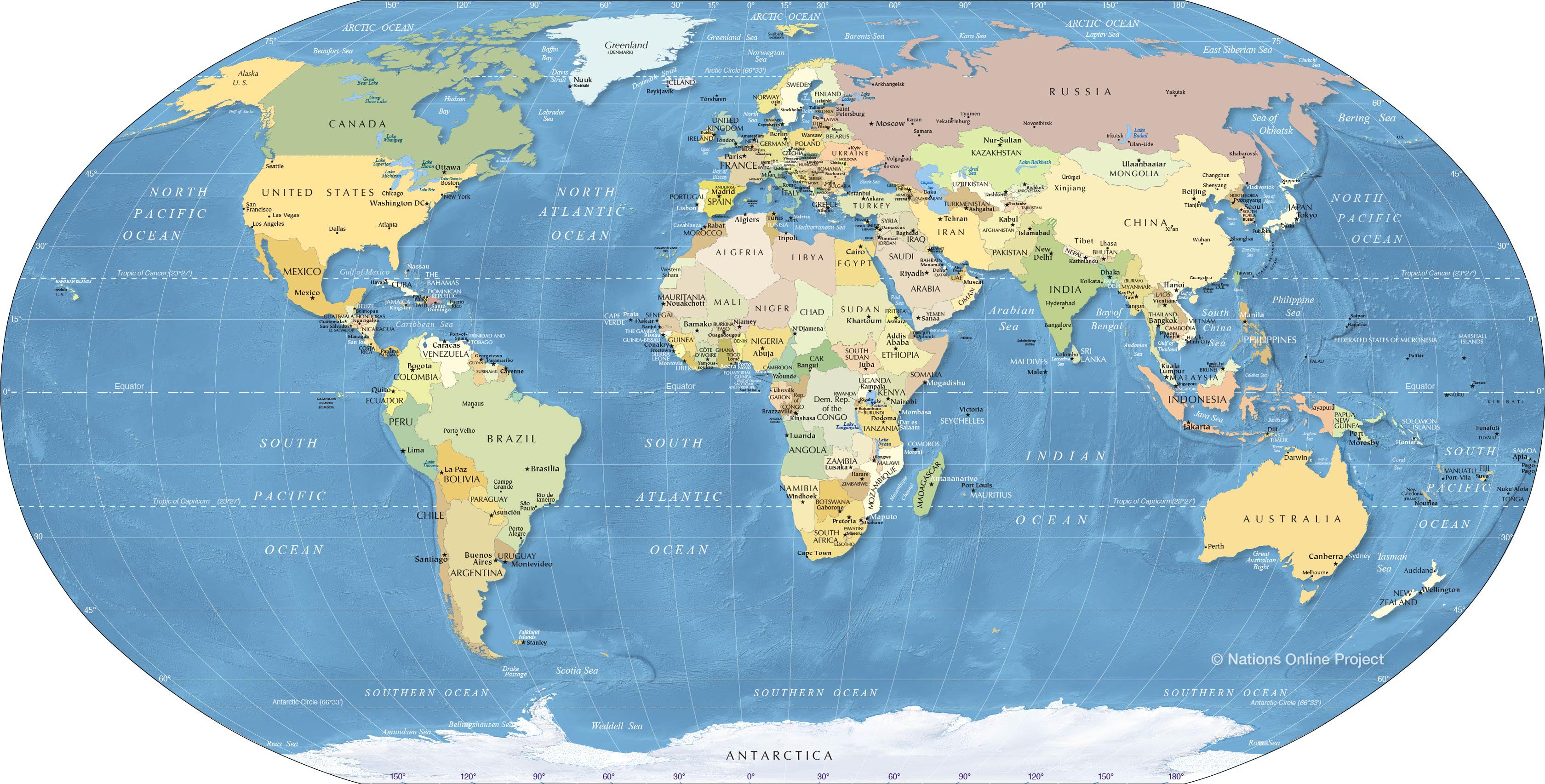
Let’s get straight to the point: there are no Native American tribes near Guam. This geographic and cultural impossibility stems from a common misconception that conflates "native" with "indigenous" and overlooks the vast distances and distinct histories that separate the peoples of the Americas from those of the Pacific. Guam, an island territory of the United States located in Micronesia, thousands of miles west of Hawaii and even further from the North American continent, is home to its own vibrant and ancient indigenous population: the Chamorro people.
This article will dismantle the premise of "Native American tribes near Guam" by clarifying geographical and cultural distinctions, then pivot to an in-depth exploration of the Chamorro people – their rich history, enduring identity, and the profound resilience that defines their legacy. This is a story of seafaring brilliance, colonial struggle, and a vibrant cultural resurgence, essential for any traveler or history enthusiast seeking accurate and respectful understanding.
The Great Divide: Geography, History, and Identity
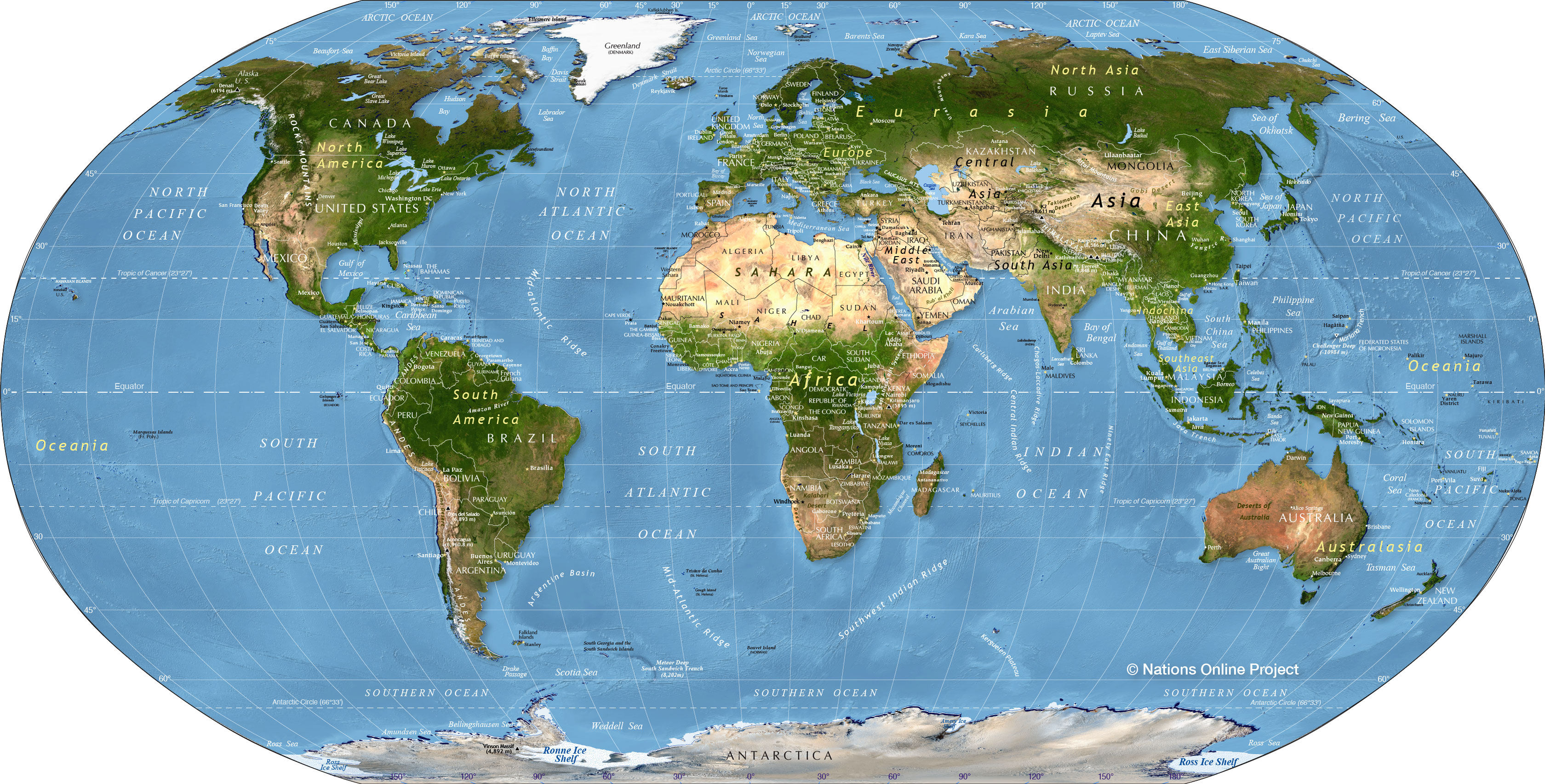
To understand why Native American tribes are not found near Guam, one must first grasp the immense scale of the Pacific Ocean and the distinct migratory patterns of human history.
Native American tribes are the indigenous peoples of the continental Americas (North, Central, and South America), including Alaska and Hawaii’s native Hawaiians who share Polynesian roots distinct from continental Native Americans but are often included in broader US "native" discussions due to shared colonial experiences. Their ancestors crossed the Bering land bridge from Asia into North America tens of thousands of years ago, or migrated via ancient coastal routes, eventually populating two continents. Their cultures, languages, and histories are deeply tied to the landmasses of the Americas.
Guam, on the other hand, is an island in the Western Pacific, part of the Mariana Archipelago. Its indigenous people, the Chamorro, are descendants of Austronesian navigators who embarked on incredible voyages across the Pacific Ocean, originating from Southeast Asia, roughly 4,000 years ago. Their ancestral journey was eastward, a testament to sophisticated shipbuilding, navigation techniques, and a profound understanding of ocean currents and celestial bodies. These migrations are entirely separate from those that populated the Americas.
Therefore, the term "Native American tribes near Guam" is a fundamental geographical and ethnological misnomer. The indigenous narrative of Guam is uniquely Chamorro, a story woven into the fabric of the Pacific.
The Chamorro People: Masters of the Pacific and Stewards of Guam
The Chamorro story is one of profound connection to the ocean, sophisticated societal structures, and an incredible capacity for cultural endurance in the face of centuries of foreign domination.
Origins and Pre-Contact Splendor (c. 2000 BCE – 1521 CE)
The ancestors of the Chamorro people arrived in the Mariana Islands around 2000 BCE, settling what would become Guam, Saipan, Tinian, Rota, and other smaller islands. These early Chamorro were master navigators and skilled artisans, crafting canoes capable of long-distance voyages and developing a complex understanding of their marine environment. Their society was highly stratified, traditionally divided into three main classes: the matua (upper class, landholders, and chiefs), the acha’ot (middle class, skilled workers), and the mana’chang (lower class, often associated with fishing and farming, though some scholars debate this rigid interpretation).

Chamorro culture was matrilineal, meaning lineage and inheritance were traced through the mother’s side. Women held significant power and influence within the family and community. Villages were typically located along the coast, with houses built on distinct stone pillars known as latte stones. These iconic megaliths, ranging from a few feet to over 16 feet tall, served as foundations for houses or communal structures, signifying status and architectural prowess. The largest and most impressive latte sites, such as those at Nomna Bay, hint at a flourishing civilization.
Their economy was based on fishing, extensive cultivation of taro, yams, rice, breadfruit, and coconuts, and a sophisticated trading network with other islands in the Marianas. Language, Chamoru (or Chamorro), was the unifying force, rich in oral traditions, chants, and storytelling that preserved their history and values.
The Era of Spanish Colonization (1521 – 1898)
The arrival of Ferdinand Magellan in 1521 marked the beginning of Guam’s encounter with the West, though full Spanish colonization didn’t begin until 1668 with the arrival of Padre Diego Luis de San Vitores and a group of Jesuit missionaries. What followed was a period of intense cultural clash, resistance, and devastating population decline for the Chamorro people.
The Spanish sought to convert the Chamorro to Catholicism and impose European social and political structures. This met with fierce resistance, leading to the brutal Chamorro-Spanish Wars (1670-1695). The Chamorro, despite their bravery and knowledge of the terrain, were ultimately outmatched by Spanish weaponry and diseases to which they had no immunity. The population plummeted from an estimated 50,000-100,000 at contact to a mere 3,500 by the early 18th century.
Survivors were forcibly relocated into centralized villages, their traditional latte villages abandoned, and their culture systematically suppressed. The Spanish introduced new crops, livestock, and Catholicism, which gradually blended with surviving Chamorro traditions. Despite the severe impact, the Chamorro language and aspects of their indigenous identity persisted, often in clandestine forms, adapting and evolving under colonial rule. Spanish surnames and elements of Spanish architecture and cuisine became integrated, creating a unique hybrid culture.

American Acquisition and the Tumultuous 20th Century (1898 – Present)
Guam’s fate took another dramatic turn in 1898 when, as a result of the Spanish-American War, Spain ceded the island to the United States. For the first five decades of American rule, Guam was administered by the U.S. Navy, which imposed strict policies aimed at Americanization. Chamorro language use was discouraged, and traditional practices were often viewed as primitive.
World War II brought unprecedented suffering and upheaval. In December 1941, just hours after the attack on Pearl Harbor, Japanese forces invaded and occupied Guam. The Chamorro people endured nearly three years of brutal occupation, marked by forced labor, starvation, torture, and massacres. The American liberation of Guam in July 1944 was met with relief, but the island was devastated, and the trauma of war left deep scars.
Post-WWII, Guam’s relationship with the U.S. evolved. In 1950, the U.S. Congress passed the Organic Act of Guam, granting the Chamorro people U.S. citizenship and establishing a civilian government. While this brought greater autonomy, the island’s political status remains an unresolved issue, with ongoing debates about commonwealth status, statehood, or full independence. The continued significant U.S. military presence also presents complex challenges related to land use, environmental impact, and cultural preservation.
Chamorro Identity Today: Resilience, Revival, and the Future
Despite centuries of foreign domination, disease, and attempts at cultural suppression, the Chamorro people have demonstrated extraordinary resilience. Today, a vibrant cultural revival is underway, driven by a deep commitment to preserving and promoting their unique heritage.
Language Revival: Efforts to revitalize the Chamoru language are paramount. Language immersion programs, community classes, and educational initiatives are working to ensure that Chamoru, once threatened, continues to be spoken by future generations.
Cultural Arts and Traditions: Traditional Chamorro arts, dances (such as the cha-cha and baile), music, and craftsmanship are experiencing a resurgence. Ancient navigation techniques, canoe building, and traditional farming methods are being relearned and celebrated. The iconic latte stones are revered symbols of ancestral strength and a reminder of their enduring connection to the land.
Political Self-Determination: There is a strong movement among the Chamorro people to address their political status. Advocates push for greater self-determination, emphasizing the need for the indigenous population to have a more direct role in shaping Guam’s future. This includes discussions about decolonization and recognition of their inherent rights as the original inhabitants.
The Spirit of Inafa’maolek: At the heart of Chamorro identity is the concept of inafa’maolek, which translates to "making things good" or "restoring harmony." It encompasses interdependence, cooperation, respect, and a deep sense of community responsibility. This philosophy guides many aspects of Chamorro life and represents a powerful antidote to the divisive forces of history.
Håfa Adai Spirit: The ubiquitous greeting "Håfa Adai" embodies the warm, welcoming, and resilient spirit of the Chamorro people. It’s more than just "hello"; it’s an invitation to experience their hospitality and the richness of their culture.
Why This Distinction Matters for Travelers and Educators
Understanding the distinct history and identity of the Chamorro people, separate from Native American tribes, is crucial for several reasons:
- Respect for Indigenous Peoples: It honors the unique struggles, achievements, and cultural legacies of different indigenous groups. Conflating them erases their distinct narratives and contributes to a monolithic, inaccurate view of "native" peoples.
- Historical Accuracy: It ensures that historical education is precise and truthful, recognizing the diverse paths of human migration and cultural development across the globe.
- Responsible Tourism: For travelers, knowing the true indigenous story of Guam allows for a more meaningful and respectful engagement with the island’s culture. It encourages visitors to seek out authentic Chamorro experiences, support local artisans, learn about their history, and appreciate the unique identity forged over millennia.
- Challenging Misconceptions: It actively works to correct common geographical and historical misunderstandings, promoting a more informed global citizenry.
Conclusion
The notion of "Native American tribes near Guam" is a geographical impossibility and a historical inaccuracy. Guam’s true indigenous story belongs solely to the Chamorro people, whose ancestors were intrepid navigators of the Pacific, not migrants across a Bering land bridge. Their history is one of sophisticated pre-contact civilization, profound suffering under colonialism, and an incredible, ongoing testament to cultural resilience and revival.
To truly understand Guam is to understand the Chamorro: their ancient roots, their enduring spirit of inafa’maolek, their vibrant language, and their unwavering connection to their ancestral lands and waters. Their legacy is not just one of survival, but of vibrant, ongoing cultural assertion that enriches the tapestry of global indigenous narratives. When you visit Guam, do so with an open mind and a respectful heart, ready to learn about the incredible, distinct heritage of the Chamorro people.

