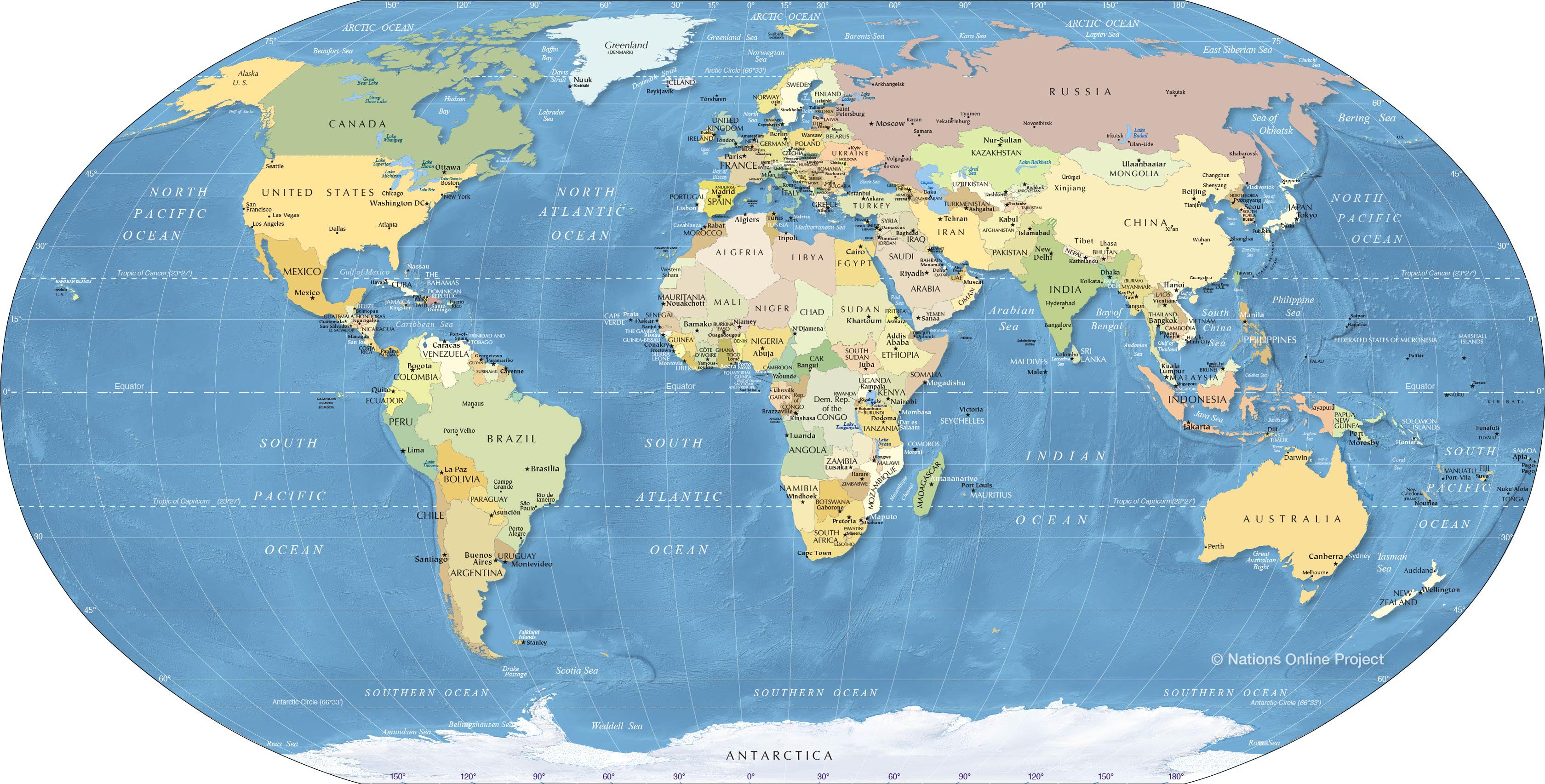
The indigenous history of the lands now known as the Virgin Islands is a rich tapestry woven from the migrations, cultures, and enduring spirits of peoples who navigated the Caribbean Sea long before European contact. While the term "Native American" often conjures images of tribes from the North American continent, it broadly encompasses the indigenous inhabitants of the Americas. In the context of the Virgin Islands, this refers primarily to the Taíno and, to a lesser extent, the Kalinago (Carib) peoples, whose presence shaped the islands’ earliest societies, economies, and spiritual landscapes. Understanding their history and identity is crucial for any traveler or history enthusiast seeking to grasp the true essence of these islands.
The earliest human presence in the Virgin Islands dates back as far as 3000 BCE, marked by the arrival of Archaic peoples, often referred to as Orinocoan or Ciboney. These nomadic hunter-gatherers, skilled in exploiting marine resources, left behind shell middens and rudimentary tools, though much of their specific cultural identity remains shrouded in time. They set the stage for subsequent, more complex migrations that would profoundly shape the Antillean world.
Around 200 BCE, a new wave of migrants, the Saladoid people, began to arrive from the Orinoco River Valley in South America. These sophisticated agriculturalists and potters brought with them a distinct cultural package, characterized by elaborate, white-on-red pottery, zemis (spiritual effigies), and a settled village life. They cultivated cassava, corn, and other crops, establishing the first permanent agricultural communities in the Virgin Islands. Their settlements, often located near freshwater sources and fertile land, laid the groundwork for the cultural flourishing that would follow. Archaeological sites across St. Croix, St. Thomas, and St. John bear witness to their presence, offering tantalizing glimpses into their daily lives and spiritual beliefs.
From the Saladoid traditions emerged the Taíno culture, which by 1000 CE had become the dominant indigenous civilization across the Greater Antilles and parts of the Lesser Antilles, including the Virgin Islands. The Taíno were Arawak-speaking peoples, highly organized and deeply connected to their environment. Their society was structured into cacicazgos, or chiefdoms, each led by a cacique (chief) who held both political and spiritual authority. Below the caciques were nitainos (nobles), bohiques (priests/healers), and naborias (commoners). This hierarchical system fostered stability and allowed for the development of complex social rituals and economic practices.
Taíno identity was intrinsically linked to their agricultural prowess. They developed advanced farming techniques, including the cultivation of conucos – raised mounds of soil that prevented erosion and maximized yield, particularly for their staple crop, cassava (manioc). Cassava was detoxified and processed into casabe bread, a lightweight and durable food source vital for their sustenance and trade. Other crops included sweet potatoes, maize, beans, squash, and tobacco, which played a significant role in their spiritual ceremonies.
Their material culture was rich and diverse. Taíno artisans crafted intricate pottery, polished stone tools, and wooden objects, including ceremonial seats (duhos) and elaborate zemis representing deities and ancestral spirits. Their homes, called bohíos, were circular or rectangular structures made from wood, thatch, and palm leaves, designed to withstand the tropical climate. They were also master mariners, utilizing large canoes (canóas) carved from single tree trunks to navigate the archipelago, facilitating trade, communication, and cultural exchange across vast distances. These canoes were capable of carrying dozens of people and substantial cargo, connecting the Virgin Islands to the larger Taíno world.
Spirituality was central to Taíno life. They worshipped a pantheon of deities, with Yocahú, the giver of cassava and lord of the sea, and Atabey, the mother goddess of fresh water, fertility, and childbirth, being among the most prominent. Zemis, carved effigies made from stone, wood, shell, or cotton, served as conduits to the spirit world, embodying deities, ancestors, or natural forces. Ceremonies involved rhythmic music, sacred dances (areítos), and the ritual use of tobacco and cohoba (a hallucinogenic snuff) to commune with the spirits and gain insight. Ball courts (bateyes) were also central to their communities, serving not only for a ceremonial game but also as gathering places for social and religious events.
While the Taíno dominated the Virgin Islands, the Kalinago (often referred to as Caribs) also played a significant role in the region’s pre-Columbian history, particularly in the Lesser Antilles. Originating from the South American mainland, the Kalinago were a distinct Arawak-speaking people (though often stereotyped as exclusively Carib-speaking, their language for men was often Carib, while women spoke Arawak due to historical capture of Arawak women), renowned for their seafaring skills and a more martial culture compared to the Taíno. They gradually expanded their influence northward through the Lesser Antilles, frequently clashing with Taíno communities. The Virgin Islands, particularly St. Croix, often served as a frontier zone where Taíno and Kalinago cultures interacted, sometimes peacefully through trade, and at other times through conflict. Kalinago raids were a constant threat to Taíno settlements, influencing settlement patterns and defensive strategies. Their presence added another layer of complexity to the indigenous landscape, showcasing a dynamic and evolving pre-Columbian Caribbean.
The arrival of Christopher Columbus in 1493, during his second voyage, marked a catastrophic turning point for the indigenous peoples of the Virgin Islands and the wider Caribbean. Columbus himself sailed through the Virgin Islands, naming them "Las Once Mil Vírgenes" (The Eleven Thousand Virgins) in honor of Saint Ursula and her martyred virgins. His landing on St. Croix, at what is now Salt River Bay National Historical Park and Ecological Preserve, resulted in the first recorded armed conflict between Europeans and indigenous peoples in the Americas, known as the Battle of Salt River. This encounter, involving Kalinago warriors, set a violent precedent for the ensuing centuries.
The subsequent European colonization brought devastation on an unprecedented scale. Indigenous populations, lacking immunity to Old World diseases like smallpox, measles, and influenza, succumbed in vast numbers. Those who survived the epidemics faced brutal exploitation, forced labor, and outright enslavement. The Spanish, seeking gold and labor for their burgeoning colonies in the Greater Antilles, systematically depopulated many of the smaller islands, including the Virgin Islands, through raids that captured Taíno and Kalinago people. Within decades, the once-thriving indigenous societies of the Virgin Islands were decimated, their numbers dwindling to near extinction. The cultural and social fabric that had sustained them for millennia was torn apart.
Despite this devastation, the legacy of the Taíno and Kalinago peoples endures in the Virgin Islands. Archaeological research continues to uncover evidence of their sophisticated societies, from village sites and burial grounds to petroglyphs and artifacts. Place names like "Caneel Bay" (derived from the Taíno word for cinnamon) and "Hamak" (hammock) are linguistic echoes of their presence. Many plants and animals retain their indigenous names, and elements of indigenous foodways, such as the use of cassava and local fish, persist in local cuisine.
More profoundly, the indigenous identity has experienced a powerful resurgence in recent decades. While many believed the Taíno and Kalinago to be extinct, genetic studies and cultural revival movements have revealed a persistent thread of indigenous heritage among Caribbean populations, including in the Virgin Islands. Descendants of these original inhabitants are actively reclaiming their heritage, researching their ancestry, learning ancestral languages, and reviving traditional crafts, ceremonies, and spiritual practices. This includes efforts to educate the public about the true history of the islands, moving beyond colonial narratives to highlight the resilience and contributions of indigenous peoples.

For the modern traveler and history enthusiast, engaging with this deep indigenous history offers a richer, more nuanced understanding of the Virgin Islands. Sites like Salt River Bay on St. Croix, a national historical park, are vital for connecting with this past. Here, visitors can see archaeological evidence of Saladoid and Taíno settlements, walk the same shores where Columbus encountered the Kalinago, and reflect on the profound changes that followed. Museums and cultural centers across the islands also preserve and interpret artifacts, offering insights into the artistry, ingenuity, and spiritual depth of the first islanders.
Understanding the Taíno and Kalinago is not merely an academic exercise; it is an act of respect and recognition for the people who first called these islands home. It illuminates the layers of culture, language, and tradition that form the foundation of contemporary Caribbean identity. By appreciating their history, their struggles, and their enduring spirit, visitors can gain a deeper connection to the Virgin Islands, moving beyond the idyllic beaches to encounter the vibrant, resilient human story that began millennia ago. The indigenous narrative is not one of extinction, but of transformation, survival, and a powerful reclamation of identity that continues to shape the islands today.


