
The map of Native American tribes near Puerto Rico is not a simple cartographic exercise; it is a complex tapestry woven from pre-Columbian migrations, colonial subjugation, cultural resilience, and the ongoing reclamation of identity. While the term "Native American" often conjures images of tribes from the continental United States, understanding the indigenous landscape around Puerto Rico requires a focus on the Caribbean’s own distinct and vibrant First Peoples. Puerto Rico itself, known to its original inhabitants as Borikén, lies at the heart of this discussion, primarily as the ancestral home of the Taíno.
The Taíno Heartbeat of Borikén: A Pre-Columbian Powerhouse
Before the arrival of Columbus in 1493, Borikén was a flourishing island, home to a sophisticated Arawak-speaking people known as the Taíno. Their societies were complex, organized into cacicazgos (chiefdoms) led by caciques (chiefs) who wielded political and spiritual authority. The Taíno worldview was deeply spiritual, centered around a pantheon of deities and ancestral spirits called cemis, often represented by carved figures of wood, stone, or shell. Yocahu, the giver of yuca (cassava), and Atabey, the mother goddess of fresh water and fertility, were among the most revered.
Taíno life revolved around a sustainable agricultural system. They cultivated conucos – raised mounds of fertile soil – where they grew staples like yuca, batata (sweet potato), maize, and various fruits. Their craftsmanship was renowned, producing intricate pottery, polished stone tools, and expertly woven cotton hammocks, which later became a global innovation. They navigated the Caribbean waters in large canoes, fostering trade and cultural exchange across the Greater Antilles. Social gatherings, often involving ceremonial ball games played in batey courts, and areytos – communal dances and oral histories – were central to their cultural fabric, transmitting knowledge and reinforcing community bonds.
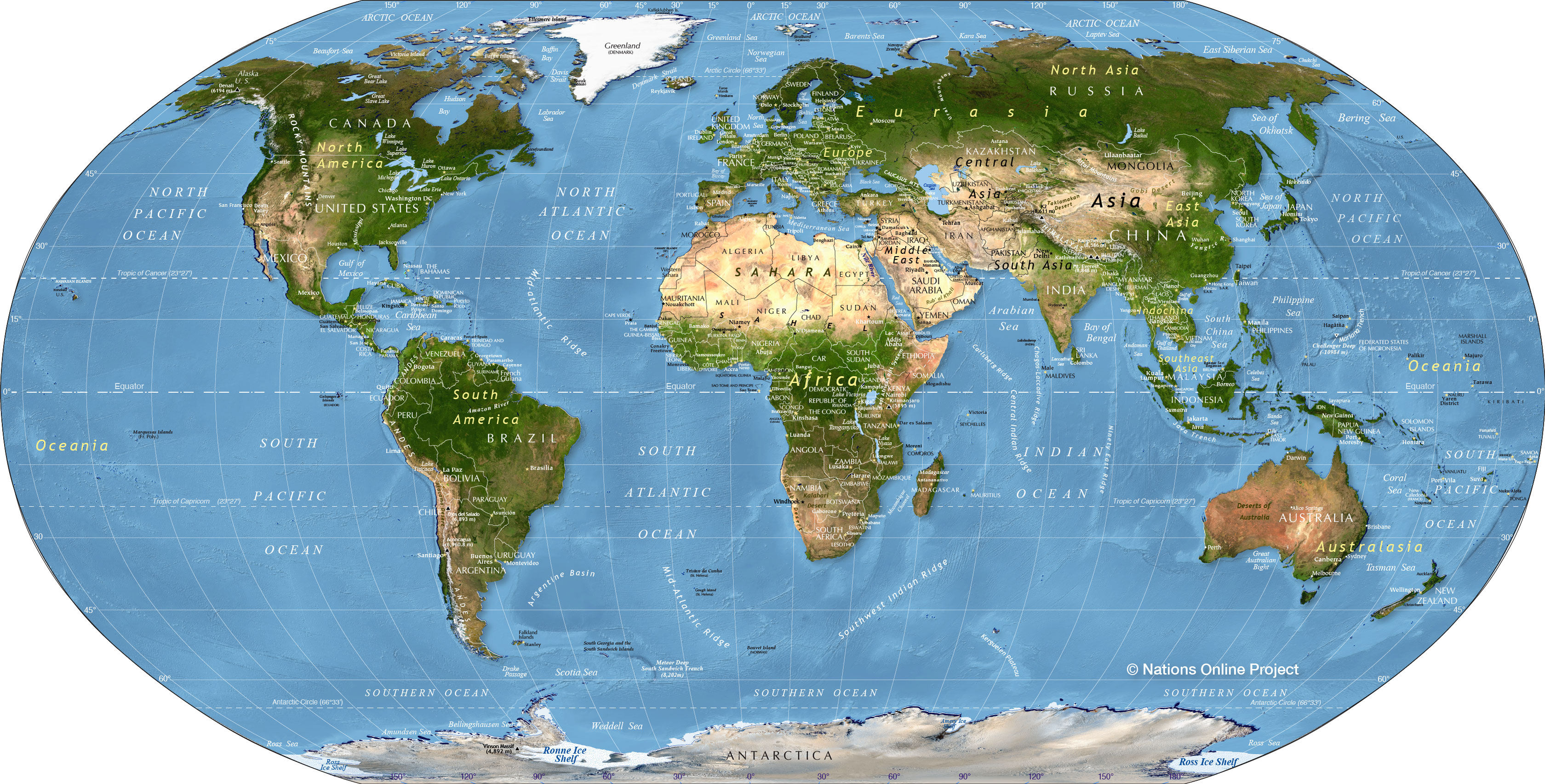
The Taíno were not isolated; they were part of a vast Arawak linguistic and cultural family that spanned much of the Caribbean, from the northern coast of South America through the Lesser and Greater Antilles. Their closest kin were found in Hispaniola (modern-day Dominican Republic and Haiti), Cuba, and Jamaica, all sharing a common cultural heritage and, often, interisland interaction.
The Cataclysm: European Arrival and the Myth of Extinction
The arrival of the Spanish marked a brutal turning point. Columbus landed on Borikén during his second voyage, renaming it San Juan Bautista. What followed was a swift and devastating conquest. The Taíno, though initially resistant, were decimated by a combination of European diseases to which they had no immunity, forced labor under the encomienda system, and outright violence. Accounts from early chroniclers like Bartolomé de las Casas paint a grim picture of systematic brutality and exploitation.
Within a few decades, the Taíno population, estimated to be hundreds of thousands, dwindled dramatically. This rapid decline led to the pervasive myth that the Taíno were "extinct." This narrative, often perpetuated by colonial powers, served to justify the appropriation of land and the erasure of indigenous history. However, extinction is rarely absolute. While the organized cacicazgos were dismantled and much of the overt Taíno culture suppressed, the people did not simply vanish.
Survival and Syncretism: The Enduring Taíno Legacy
The Taíno survived through a complex process of cultural syncretism and genetic endurance. Many Taíno women were taken as wives or concubines by Spanish colonists, leading to a significant mestizo population. Others fled into the remote mountainous regions of Puerto Rico, known as the central sierra, or integrated into newly formed communities that included African enslaved people. This intermingling created a rich Afro-Indigenous cultural blend, where Taíno traditions, language, and knowledge were preserved, albeit often in modified forms.
Evidence of this survival is abundant. Hundreds of Taíno words are embedded in the everyday Spanish spoken in Puerto Rico and the wider Caribbean (e.g., hamaca for hammock, barbacoa for barbecue, canoa for canoe, huracán for hurricane, tabaco for tobacco). Many traditional foods, agricultural practices, and folk remedies have direct Taíno origins. Genetic studies in the 21st century have further debunked the extinction myth, revealing a significant percentage of mitochondrial DNA (passed down through the maternal line) of Indigenous Caribbean origin in the modern Puerto Rican population, often exceeding 60% in some studies. This scientific validation has provided powerful momentum for the modern Taíno resurgence movement.
Beyond Borikén: Indigenous Neighbors and Their Enduring Presence

To understand the "map of Native American tribes near Puerto Rico," one must also look to the islands surrounding Borikén, which shared both Arawak heritage and the devastating impact of colonization.
-
The Kalinago (Caribs): To the southeast of Puerto Rico, primarily in the Lesser Antilles, lived the Kalinago people. Historically, the Spanish distinguished between the "peaceful" Taíno and the "bellicose" Caribs, a distinction often exaggerated to justify conquest. While there were periods of conflict, there was also trade and intermarriage. The Kalinago fiercely resisted European colonization, and their descendants maintain a vibrant community and culture, notably on the island of Dominica, where the Kalinago Territory remains a testament to their resilience. Their presence highlights the diverse indigenous landscape of the Caribbean.
-

Cuba, Hispaniola, Jamaica: These larger islands in the Greater Antilles were also predominantly Taíno, sharing similar social structures, spiritual beliefs, and agricultural practices with those of Borikén. Cuba also had earlier inhabitants, such as the Ciboney and Guanahatabey, who were largely absorbed or displaced by the expanding Taíno. The historical and genetic ties between the indigenous peoples of these islands are profound, forming a continuous cultural sphere before European disruption.
-
The Northern Caribbean and the Bahamas: Further north, the Lucayan Taíno inhabited the Bahamas, the first point of contact for Columbus. Their civilization was also swiftly eradicated, but their legacy lives on in place names and the broader Taíno narrative.
The Broader "Native American" Context: Shared Struggles, Distinct Cultures
While the immediate "Native American tribes near Puerto Rico" are the Indigenous peoples of the Caribbean, it’s worth briefly acknowledging the broader term. "Native American" typically refers to the indigenous peoples of the continental Americas. Geographically, the closest continental "Native American" groups would be those in Florida, such as the Seminole and Miccosukee. While there isn’t a direct historical lineage or significant pre-Columbian interaction between, say, the Seminole and the Taíno, they share a common experience of colonial invasion, land dispossession, and a struggle for cultural survival and self-determination.
The broader "Native American" identity encompasses thousands of diverse nations, each with its unique language, culture, and history. The Taíno and Kalinago, though culturally distinct from the Lakota of the Plains or the Cherokee of the Southeast, are integral parts of this larger indigenous tapestry of the Americas. Their stories resonate with themes of resilience, the importance of land, and the enduring spirit of their ancestors.
The Resurgence of Identity: A Living Heritage
In the late 20th and early 21st centuries, there has been a powerful and growing Taíno resurgence movement in Puerto Rico and the diaspora. Individuals and communities are actively reclaiming their ancestral identity, learning the reconstructed Taíno language, practicing traditional crafts, celebrating ceremonies, and educating others about their living heritage. Organizations like the United Confederation of Taíno People and various local yucayekes (villages) are at the forefront of this movement, challenging the colonial narrative of extinction and asserting their place in the contemporary world.
This resurgence is not merely a historical revival; it is a contemporary political and cultural assertion. It involves fighting for recognition, protecting sacred sites, promoting environmental stewardship, and fostering a sense of community among those who identify with their Taíno roots. It also involves navigating the complexities of modern identity, where Taíno heritage often coexists with African and European ancestries, creating a unique and vibrant Puerto Rican identity.
For the Traveler and Learner: Engaging with Indigenous Heritage
For those traveling to Puerto Rico with an interest in its indigenous heritage, there are profound opportunities for learning and reflection.
- Indigenous Ceremonial Centers: Sites like the Caguana Indigenous Ceremonial Park in Utuado and the Tibes Indigenous Ceremonial Center in Ponce offer a glimpse into the pre-Columbian Taíno world. Visitors can walk among restored batey courts, view petroglyphs, and explore reconstructed villages. These sites are not just archaeological ruins; they are sacred spaces that connect the present to the past.
- Museums: The Museo del Indio in San Juan and various local museums across the island often house Taíno artifacts, offering context and interpretation of their culture.
- Cultural Expressions: Look for contemporary artists and artisans who draw inspiration from Taíno motifs in their pottery, jewelry, and paintings. Engage with local communities to understand how Taíno traditions continue to influence Puerto Rican cuisine, music, and spirituality.
- Responsible Tourism: Approach these sites and the living culture with respect and an open mind. Recognize that Indigenous identity is dynamic and ongoing, not confined to the past. Support initiatives that empower Indigenous communities and help preserve their heritage.
The "map of Native American tribes near Puerto Rico" is, in essence, a map of enduring spirit. It tells a story not of disappearance, but of adaptation, resistance, and resurgence. It reminds us that the foundational layer of Puerto Rican identity is deeply Indigenous, a testament to the Taíno people whose heartbeat continues to resonate through the island’s culture, language, and very soil. Understanding this map is crucial for a complete appreciation of Puerto Rico’s rich, complex, and living heritage.

