Beyond the Basemap: Navigating Native American Tribal Lands with ArcGIS for the Conscious Traveler
Forget the generic tourist traps. For the traveler seeking profound connection, unparalleled cultural immersion, and a journey deeply rooted in history, there’s a new frontier, or rather, an ancient one, waiting to be explored. But this isn’t about simply pointing at a spot on a physical map. This is about understanding the very fabric of the land, its sovereignty, and its stories through the lens of geographic information systems (GIS) – specifically, ArcGIS shapefiles detailing Native American tribal lands. This isn’t just data; it’s a key to unlocking responsible, respectful, and truly transformative travel experiences.
Let’s cut straight to it: the traditional map often simplifies, generalizes, or even erases the complex realities of Indigenous territories. ArcGIS shapefiles, however, offer a precise, digital delineation of tribal boundaries, federal trust lands, and ancestral domains. For the intrepid and ethically-minded traveler, these aren’t just lines on a screen; they are the fundamental guideposts for a journey of respect, education, and genuine engagement. By understanding where these lines exist, we can better understand who governs that land, what protocols apply, and how to be a guest rather than just a visitor.
The Unseen Power of a Shapefile: Why Digital Boundaries Matter
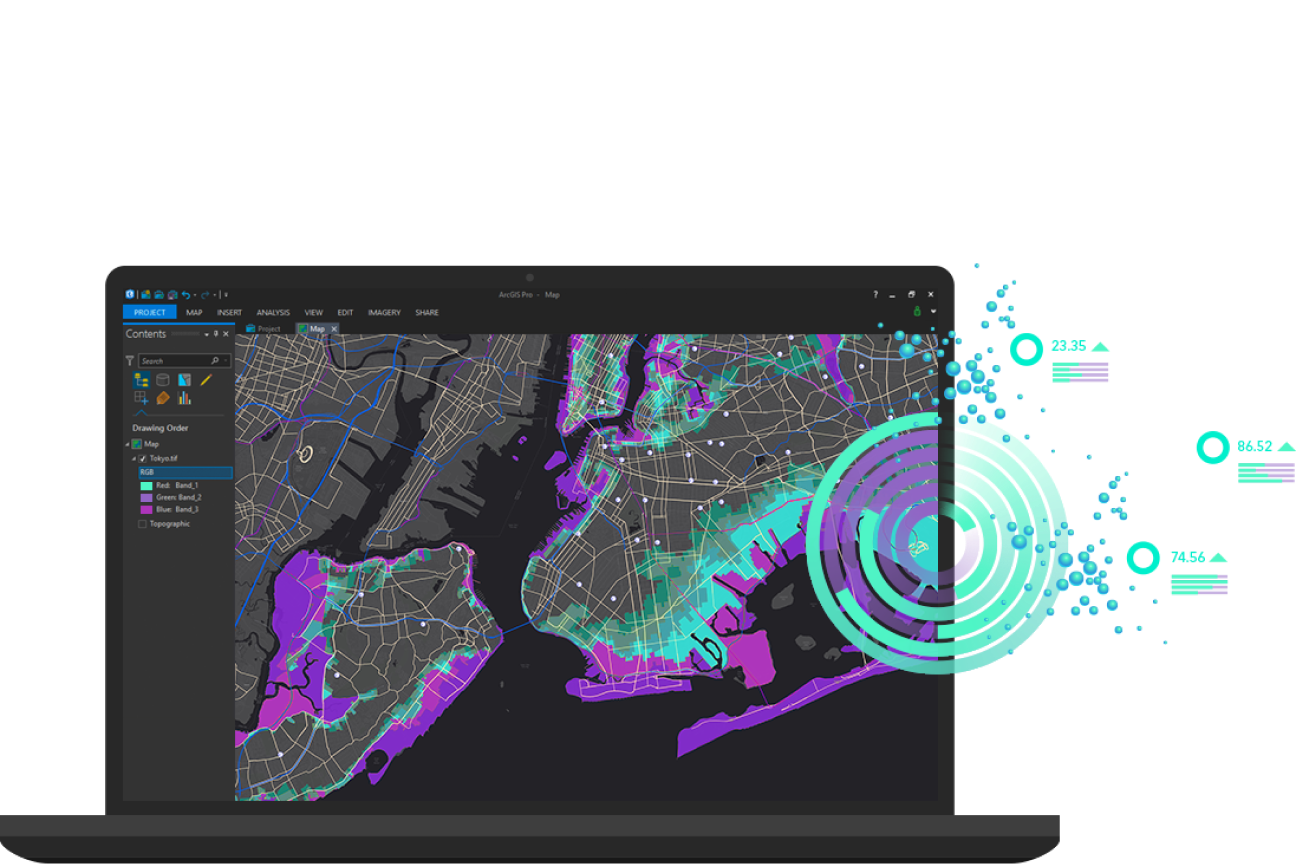
Imagine plotting your next adventure. You open your favorite mapping application, zoom in, and see national parks, state forests, and cities. But what often remains subtle, or entirely absent, are the intricate boundaries of over 574 federally recognized Native American tribes, alongside countless state-recognized and unrecognized Indigenous communities, each with its own unique governance, culture, and land management practices. This is where an ArcGIS shapefile becomes indispensable.
A shapefile, for the uninitiated, is a digital vector storage format for storing geometric location and associated attribute information. In simpler terms, it’s a precise digital drawing of boundaries – in this case, the legal and historical boundaries of tribal lands. These aren’t just lines for cartographers; they represent centuries of treaties (often broken), land cessions, executive orders, and the ongoing struggle for sovereignty and self-determination.
For the traveler, this means:
- Understanding Sovereignty: Each federally recognized tribal nation is a sovereign government, distinct from federal or state governments. This means they have their own laws, permitting requirements, cultural protocols, and often, their own judicial systems. A shapefile helps you visually grasp where these distinct jurisdictions begin and end.
- Identifying Trust Lands vs. Fee Lands: Not all land within a reservation boundary is necessarily tribal trust land. Some may be privately owned "fee land" by tribal members or even non-members. This distinction impacts land use, access, and economic development, all of which are crucial for responsible interaction.
- Respecting Cultural Sensitivity: Many tribal lands contain sacred sites, historical areas, or ecologically fragile zones that may have restricted access or require specific permissions. Knowing the precise boundaries allows for targeted research into these sensitivities before arrival.
- Supporting Tribal Economies: By understanding the geographic extent of tribal nations, you can better identify and support tribally-owned businesses, enterprises, and tourism initiatives, ensuring your travel dollars directly benefit the communities you visit.
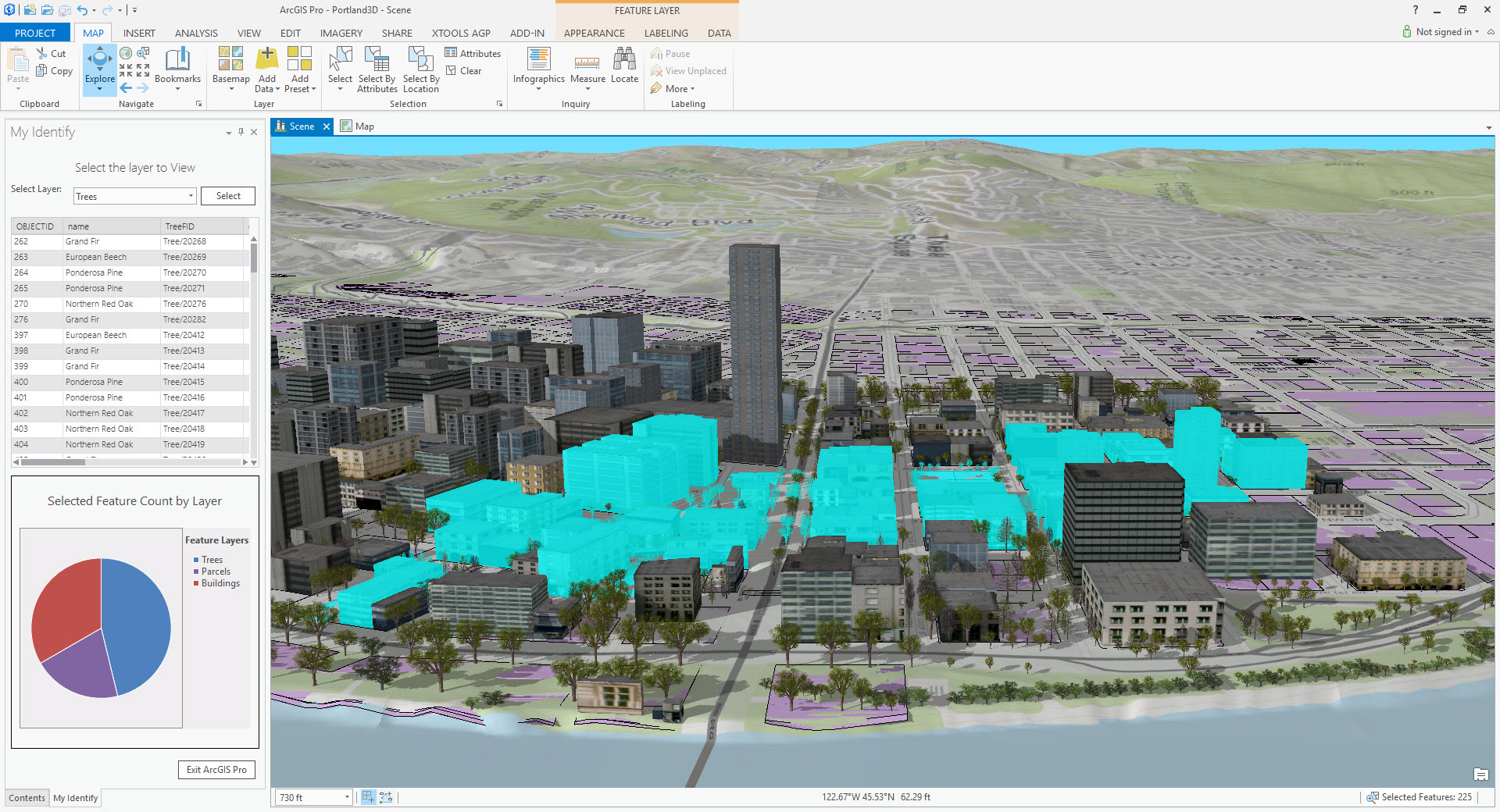
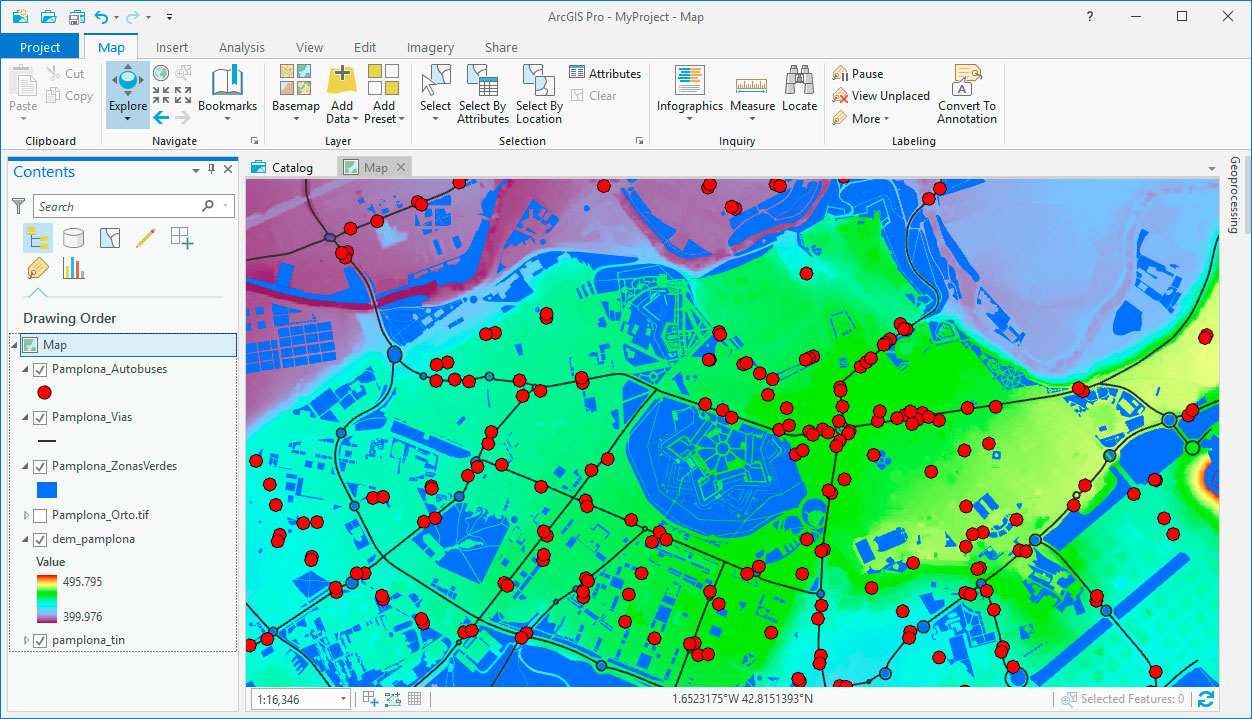
This isn’t just about avoiding trespassing; it’s about making informed choices that honor Indigenous rights and support their ongoing efforts to manage and protect their homelands.
The Destination: A Journey Through the American Southwest’s Indigenous Heartlands
While Native American tribal lands span the entire continent, the American Southwest offers a particularly rich and diverse landscape for this kind of GIS-informed exploration. Think of the Four Corners region – the intersection of Arizona, New Mexico, Utah, and Colorado – where the Navajo Nation, Hopi Tribe, Zuni Pueblo, Ute Mountain Ute Tribe, and numerous other Indigenous communities have maintained their cultural presence for millennia. This is a region where the land itself tells stories of ancient civilizations, vibrant traditions, and enduring resilience.
Imagine using an ArcGIS shapefile overlay to visualize the vast expanse of the Navajo Nation, larger than many U.S. states, encompassing iconic landscapes like Monument Valley and Canyon de Chelly. Or zooming in to understand the unique "island" status of the Hopi Mesas, surrounded by Navajo lands, a testament to centuries of distinct cultural and spiritual practices. These digital maps illuminate the geographic narrative in a way a static paper map simply cannot.
Your Journey, Guided by Data and Respect:

-
Pre-Trip Planning: The Digital Reconnaissance:
- Acquire the Data: While raw shapefiles might be too technical for some, many tribal nations, the Bureau of Indian Affairs (BIA), and academic institutions provide online GIS viewers or interactive maps based on this data. Start there. Websites like Native Land Digital (nativeland.ca) also offer an accessible, community-driven starting point for understanding ancestral territories globally.
- Identify Tribal Governments: Once you’ve pinpointed areas of interest, research the specific tribal government(s) that hold jurisdiction. Their official websites are invaluable resources for visitor policies, cultural guidelines, permit requirements (for hiking, photography, camping), and lists of tribally-owned businesses.
- Research Cultural Nuances: Every tribe is distinct. Learn about their language (even a few words of greeting), their history, their contemporary issues, and their specific customs regarding visitors. This is where the digital map transforms into a cultural compass.
-
On the Ground: Experiencing the Living Landscape:
- Seek Guided Experiences: The most authentic and respectful way to explore tribal lands is often with a certified Indigenous guide. These guides, often tribal members themselves, offer unparalleled insights into the land, history, spirituality, and cultural practices that no map, digital or otherwise, can convey. They know the stories behind the places on the shapefile.
- Visit Cultural Centers and Museums: Many tribal nations operate excellent cultural centers and museums. These are crucial for context and understanding. They offer a safe and appropriate space to learn, ask questions, and appreciate the artistry and history of the people.
- Support Local Artisans and Businesses: Look for "Made by Native Americans" certifications. Purchase directly from artists at markets or from tribally-owned shops. Your economic support is vital for these communities.
- Engage with Respect and Humility: Remember you are a guest. Ask before taking photos of people or specific sites. Be mindful of your voice, your attire, and your actions. "Leave no trace" extends beyond physical litter to cultural impact. This means not disturbing sacred sites, not removing artifacts, and not intruding on ceremonies or private life.
- Understand Access Restrictions: Your shapefile research might show vast expanses of land, but not all of it is open to public access. Some areas are culturally sensitive, ecologically fragile, or simply private. Adhere strictly to posted signs and instructions from tribal authorities.
A Transformative Perspective: Beyond the Tourist Gaze
Traveling with an awareness informed by GIS data fundamentally shifts the experience from passive observation to active engagement. It transforms a scenic drive through "Indian Country" into a journey across sovereign nations, each with its own vibrant present and profound past.
Imagine standing on a mesa within the Navajo Nation, the ArcGIS layer still fresh in your mind, showing the meticulous lines of their territory. You’re not just seeing breathtaking geology; you’re standing on land where ancient traditions thrive, where the Navajo language is spoken daily, and where a sovereign government works to address contemporary challenges like water rights, economic development, and cultural preservation. The digital boundaries on your screen morph into palpable reality: a living, breathing landscape infused with meaning and stewardship.
This isn’t about fetishizing Indigenous cultures or treating them as relics of the past. It’s about recognizing them as dynamic, modern nations that have endured, adapted, and continue to contribute immensely to the cultural tapestry of the world. By using tools like ArcGIS shapefiles, we move beyond superficial travel to a deeper understanding of Indigenous self-determination and the ongoing significance of their lands.
Practical Steps for Your GIS-Informed Journey:
- Start with official sources: Tribal government websites, BIA maps (though these can be complex), and reputable cultural organizations are your best bet for accurate boundary information and visitor guidelines.
- Utilize online GIS viewers: Many tribal nations, state governments, and universities host interactive maps that allow you to explore boundaries without needing specialized GIS software.
- Cross-reference: Don’t rely on a single source. Compare information across different maps and tribal resources.
- Always call ahead: For specific destinations or activities, a quick phone call to the tribal tourism office or relevant department can clarify any questions about access, permits, or cultural etiquette.
- Be patient and flexible: Plans can change, and tribal protocols may require adjustments. Embrace the journey with an open mind and a respectful attitude.
Conclusion: Maps as Bridges, Not Barriers
In an era of increasing globalization, the power of a digital map, particularly an ArcGIS shapefile detailing Native American tribal lands, is not just about navigation. It’s about recognition. It’s about acknowledging sovereignty, understanding history, and fostering respect. For the conscious traveler, this technology transforms the abstract concept of "Indigenous land" into a tangible, navigable reality.
This isn’t a call to simply download data and go. It’s a call to use that data as a foundation for a more meaningful, ethical, and enriching travel experience. It’s about using maps as bridges – bridges to understanding, bridges to cultural exchange, and bridges to a deeper appreciation for the original stewards of this land. So, plot your course not just with roads and landmarks, but with the profound, sovereign lines of Indigenous nations, and embark on a journey that will truly change your perspective. Your next adventure awaits, guided by the wisdom of the land and the precision of its digital map.

