
Unveiling Sovereign Lands: A High-Resolution Journey into Native American Reservations
Forget the simple lines on a state highway map. To truly understand and respectfully explore the vast, vibrant, and historically rich territories of Native American reservations, a high-resolution map isn’t just a tool – it’s an invitation to a deeper understanding. These aren’t just patches of land; they are sovereign nations, each with its own intricate geography, unique culture, profound history, and living communities. My recent journey into the heart of the Navajo Nation (Diné Bikeyah), guided by a detailed understanding of its boundaries and internal landscapes, wasn’t merely a trip; it was an education in sovereignty, resilience, and breathtaking beauty.
The concept of a "high-resolution map" here transcends mere cartography. It represents a nuanced perspective that acknowledges the complexity of these lands. It’s a map that doesn’t just show political borders, but hints at the cultural arteries flowing within them: sacred sites, ancestral trails, community centers, and the very places where tradition and modern life intersect. Without this detailed lens, one risks seeing only a blank space on a larger map, missing the dynamic tapestry of a living culture.
Navajo Nation: An Empire of Earth and Sky
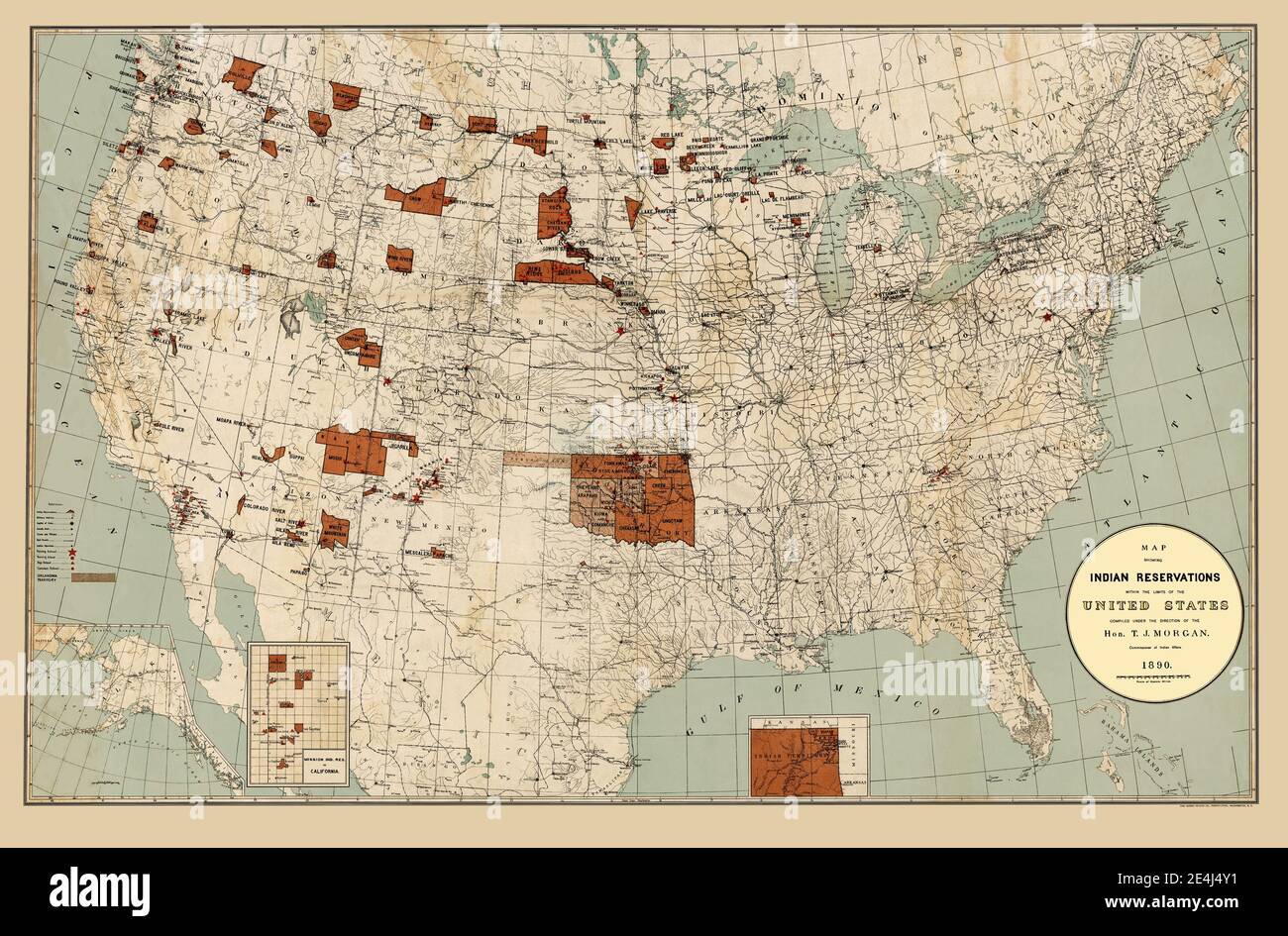
The Navajo Nation, or Diné Bikeyah, is the largest Native American reservation in the United States, sprawling across more than 27,000 square miles of Arizona, Utah, and New Mexico. To put that in perspective, it’s larger than ten U.S. states. This immense scale is precisely where the high-resolution map becomes indispensable. It reveals not a monolithic entity, but a diverse landscape of painted deserts, towering mesas, deep canyons, and forested mountains – each segment holding its own stories and offering distinct experiences.
My journey began with a clear intention: to move beyond the superficial and engage with the land and its people respectfully. The high-resolution map allowed me to visualize the routes not just as roads, but as pathways connecting communities, ancient dwellings, and natural wonders. It highlighted the sheer distances between key sites, underscoring the necessity of planning and understanding the logistical challenges of traversing such a vast territory.
Monument Valley: Where Earth Meets Eternity
Our first major stop was Monument Valley Navajo Tribal Park, straddling the Arizona-Utah border. This iconic landscape, famous for its towering sandstone buttes and mesas, is perhaps the most recognizable symbol of the American Southwest. Yet, experiencing it through the lens of a high-resolution map meant understanding its specific place within Diné Bikeyah, not just as a scenic backdrop but as an integral part of Navajo ancestral lands.

Driving the scenic loop, the map showed not just the main road, but the subtle detours and designated areas for local tours. This is where the cultural immersion truly begins. While self-driving offers incredible views, hiring a local Diné guide is paramount. Our guide, a soft-spoken elder named Ben, transformed the landscape from mere rock formations into living entities. He pointed out the "mittens," explaining their significance in creation stories, sharing traditional songs that echoed through the canyons, and revealing petroglyphs hidden from the casual observer. He spoke of the wind’s voice, the earth’s pulse, and the deep spiritual connection his people have to this land. A high-resolution map might show the geological features, but it’s the Diné guide who provides the cultural resolution, bringing the landscape to life with stories millennia old.
Canyon de Chelly: A Timeless Sanctuary
Further into the heart of the Navajo Nation lies Canyon de Chelly National Monument, a place of profound historical and cultural significance. Unlike Monument Valley, which is managed by the Navajo Nation Parks and Recreation Department, Canyon de Chelly is jointly managed by the National Park Service and the Navajo Nation. The high-resolution map here was crucial for understanding the dual management and the critical access regulations.
Access to the canyon floor is strictly limited to tours led by authorized Navajo guides. This regulation, while initially seeming restrictive, is a vital safeguard for the fragile archaeological sites and the living communities that still inhabit the canyon. Our map helped us locate the various overlooks along the North and South Rims, offering panoramic views of ancient cliff dwellings like the White House Ruin. But it was only with our Diné guide, Mae, that we could descend into the canyon.

Mae’s narrative wove together the stories of the Anasazi (Ancestral Puebloans) who first built these dwellings, and the Diné who later found refuge and built homes here. She spoke of the "Long Walk," the forced removal of the Navajo people by the U.S. government in the 1860s, and their eventual return to these sacred lands. Walking among the cottonwood trees, beside the flowing stream, and beneath the towering red walls, we touched history. Mae shared how her own family still farms portions of the canyon floor, maintaining a centuries-old connection to this place. The high-resolution map showed the trails and the ruins, but Mae provided the historical and cultural "resolution," detailing the lives lived within those stone walls and the enduring spirit of her people.
Window Rock: The Seat of Sovereignty
Our journey also took us to Window Rock (Tségháhoodzání), the capital of the Navajo Nation. This stop, often overlooked by tourists rushing between natural wonders, is essential for understanding the modern context of Native American sovereignty. The high-resolution map of Window Rock reveals not just the iconic sandstone arch for which it’s named, but also the layout of the tribal government buildings: the Navajo Nation Council Chambers, the Supreme Court, and various administrative offices.
Visiting the Navajo Nation Museum and the Navajo Code Talkers Museum was a powerful experience. The Code Talkers Museum, in particular, pays homage to the Diné Marines who used their unwritten language to create an unbreakable code during World War II, a pivotal contribution to Allied victory. This stop reinforced that the Navajo Nation is not just a collection of historical sites and beautiful landscapes, but a self-governing entity with a vibrant contemporary society, a complex political structure, and a deep sense of national pride. The map helped us navigate this administrative heart, offering a tangible sense of the Nation’s self-determination.
Beyond the Visual: The Ethics of Travel
The "high-resolution map" metaphor extends beyond physical geography to encompass an ethical framework for travel. It’s about seeing beyond the tourist brochure image and recognizing the land as a living entity, home to living people. This means:
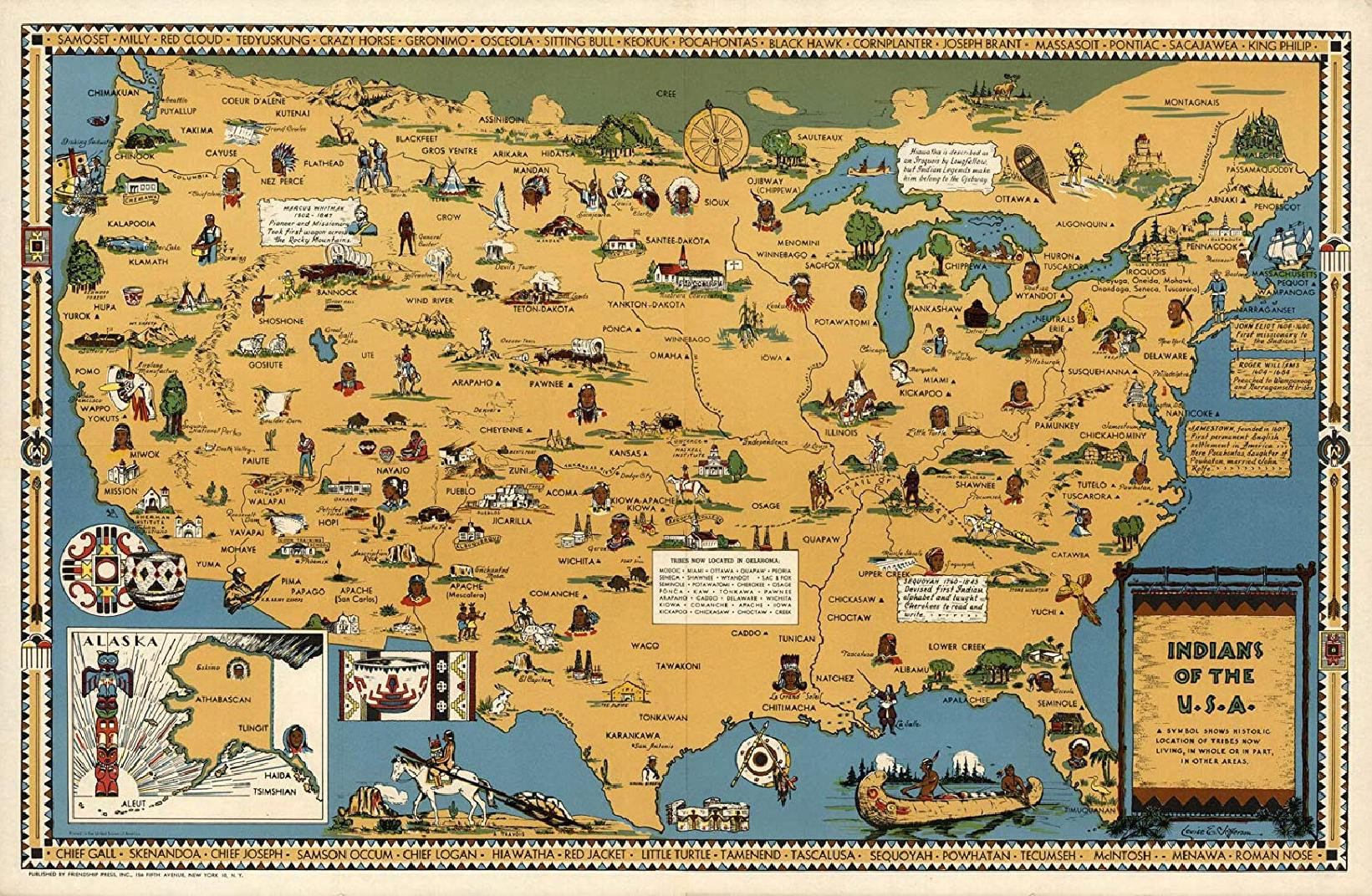
- Respecting Sovereignty: Understanding that reservations are sovereign nations with their own laws, regulations, and customs. Permits are often required for hiking, camping, or even venturing off main roads. Adhering to these rules is not merely good practice, but a recognition of their self-governance.
- Supporting Local Economies: Prioritizing tours led by Native American guides, purchasing authentic arts and crafts directly from artists, and staying at tribally-owned accommodations ensures that tourism revenue directly benefits the communities. Our map highlighted tribally-run businesses and art markets, guiding our economic contributions.
- Cultural Sensitivity: Asking permission before photographing people, being mindful of sacred sites, and educating oneself on local customs are paramount. My high-resolution map included notations of cultural centers and community guidelines, reminding me of these sensitivities.
- Leaving No Trace: This is always important, but especially so on lands that are deeply sacred and historically significant.
Planning Your High-Resolution Journey
For anyone considering a trip to the Navajo Nation or other Native American reservations, a "high-resolution" approach to planning is key:
- Research Thoroughly: Beyond general travel guides, seek out information from tribal tourism departments, cultural centers, and official websites. These sources often provide the most accurate and up-to-date information on access, permits, and cultural etiquette.
- Engage with Local Guides: This cannot be stressed enough. Local, Indigenous guides offer unparalleled insights, stories, and access that no map or guidebook can replicate. They are the living "high-resolution data" of the land.
- Allow Ample Time: The vastness of these lands means that covering significant ground requires time. Rushing through risks missing the depth of experience.
- Be Prepared: Weather conditions can vary dramatically. Carry plenty of water, especially in arid regions. Many areas are remote, so ensure your vehicle is in good condition.
The Transformative Power of Understanding
My journey through the Navajo Nation was more than a series of scenic vistas. It was a profound encounter with a resilient culture, a testament to the enduring human spirit, and a lesson in respectful engagement with sovereign lands. The "high-resolution map" became a metaphor for seeing the world with greater clarity, acknowledging the layers of history, culture, and life that exist beneath the surface of any landscape.
Exploring Native American reservations isn’t just about ticking off landmarks; it’s about listening, learning, and contributing to a narrative of understanding and respect. It’s about recognizing that every line on a map, especially those demarcating sovereign nations, represents a rich, complex, and ongoing story. When we travel with this deeper resolution, our experiences are not just memorable, but truly transformative.

