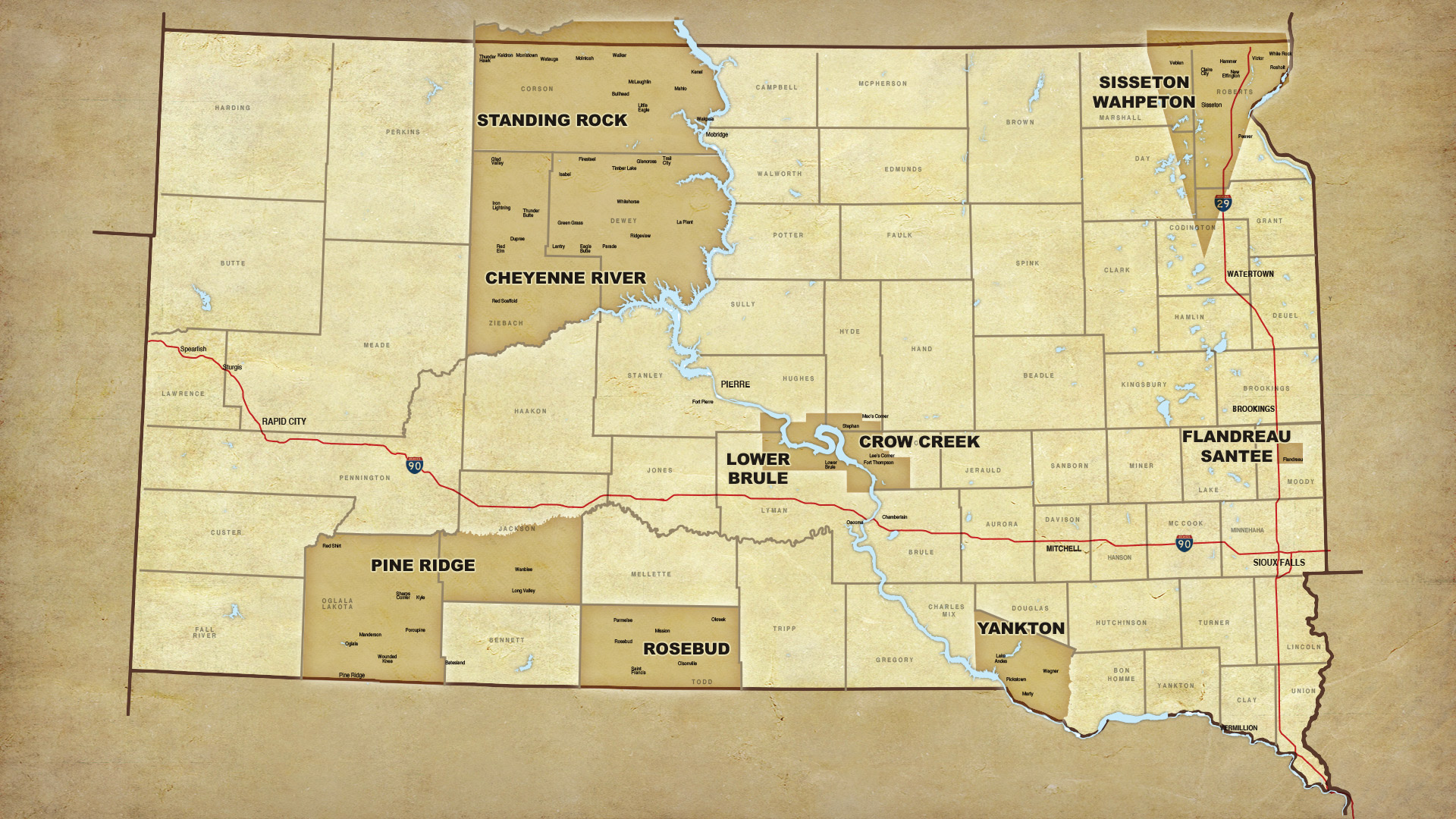
Beyond the Paved Road: Navigating America’s True Heart with the Educational Map of American Indian Tribal Lands
Forget what your GPS tells you. Forget the state lines and the interstate markers that dominate most modern maps. To truly understand the land beneath your feet, to connect with the deep, resonant pulse of North America, you need a different kind of guide. This isn’t just a map; it’s a portal. The "Educational Map of American Indian Tribal Lands" isn’t a single destination, but rather the most profound and essential travel tool you can possess, an entire world encapsulated on paper or screen, waiting to transform your journey into an odyssey of understanding, respect, and unparalleled discovery.
As an avid traveler, I’ve crisscrossed this continent countless times, always seeking that authentic, off-the-beaten-path experience. Yet, for years, I realized I was navigating a landscape stripped of its foundational narrative. My maps showed national parks, historical markers of colonial expansion, and quaint towns, but they were largely silent on the thousands of years of Indigenous presence, resilience, and sovereignty that shaped, and continue to shape, this land. That’s where this extraordinary educational map comes in, not just as a cartographic marvel, but as a critical re-education for every explorer.
The Map as a Living Document: Unveiling a Hidden Continent
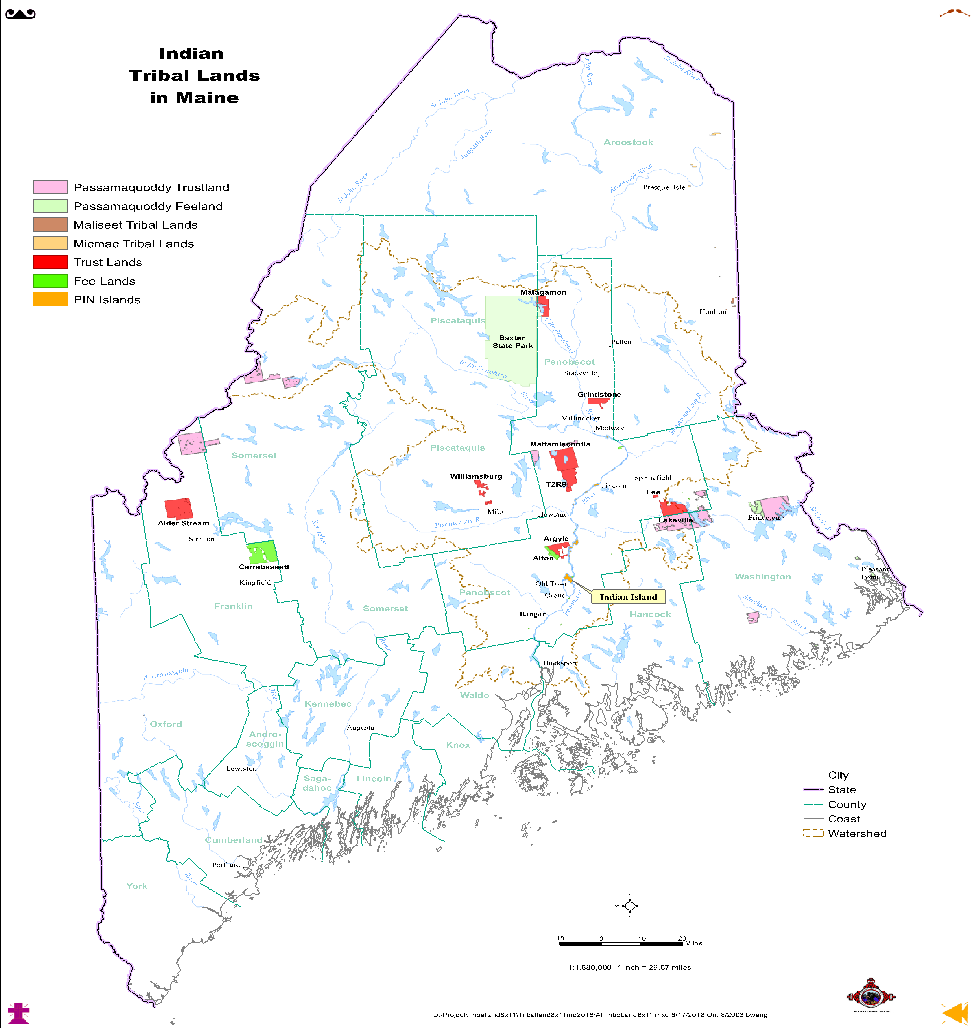
What makes this map revolutionary? It fundamentally reorients your perspective. Instead of presenting a blank canvas of "wilderness" or empty space between major cities, it meticulously details the historical territories, current reservations, linguistic groups, and cultural centers of hundreds of distinct American Indian, Alaska Native, and Native Hawaiian nations. It visually articulates the enduring presence of Indigenous peoples, highlighting their sovereign status and rich cultural tapestry, often in stark contrast to the dominant narrative.
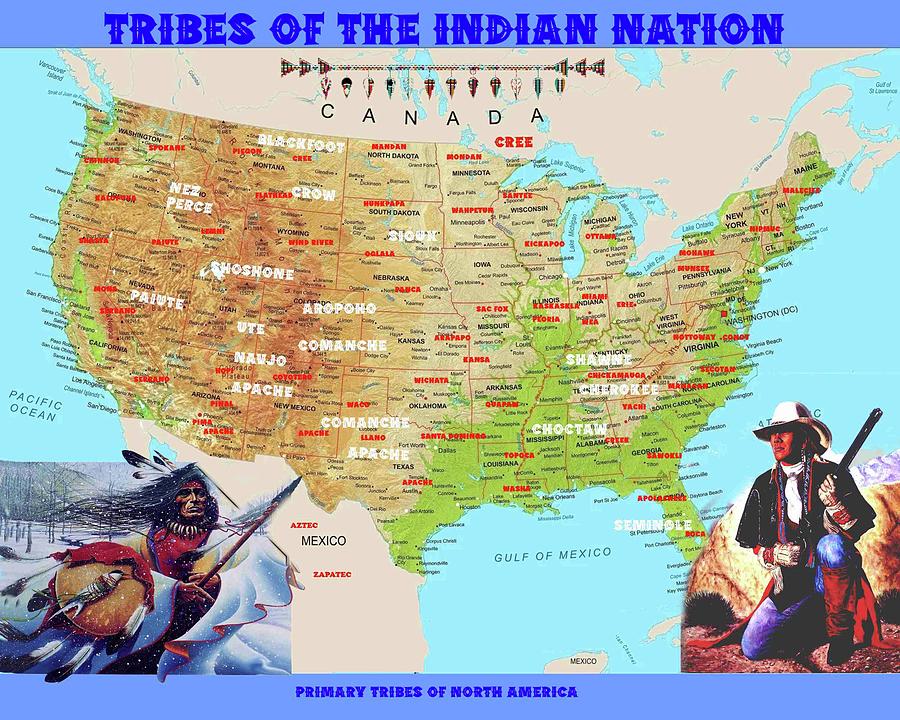
Imagine seeing the vast expanse of the Navajo Nation (Diné) stretching across Arizona, Utah, and New Mexico, not as a mere segment of those states, but as a vibrant, self-governing entity with its own laws, language, and cultural sites. Or tracing the historic routes of the Cherokee, Creek, Choctaw, Chickasaw, and Seminole nations across the Southeast, then following the heartbreaking path of the Trail of Tears into Oklahoma – a history often glossed over in standard textbooks, but vividly present on this map.
This map is a powerful antidote to the myth of the "vanishing Indian" and the notion of an empty continent awaiting European settlement. It’s a testament to survival, adaptation, and unwavering cultural strength. For the traveler, this means that every road, every mountain, every river holds a deeper, richer story than previously imagined.
Transforming Travel: From Tourist to Ally
Using this educational map is not merely about finding new places to visit; it’s about fundamentally changing how you travel. It shifts the paradigm from passive observation to active engagement, from consumption to contribution. It encourages ethical tourism, emphasizing respect for Indigenous sovereignty, culture, and sacred sites.
Before this map, my "travel planning" involved identifying natural wonders or historical landmarks. Now, my process begins by identifying the Indigenous lands I’ll be traversing. Who are the people of this land? What are their traditional names for these places? What is their history here? Are there cultural centers, museums, or tribal enterprises I can visit and support directly?
This map empowers you to:
- Acknowledge and Respect: Understand whose ancestral lands you are on. This simple act of acknowledgment, often overlooked, is a powerful step towards respectful engagement.
- Support Indigenous Economies: Seek out tribal-owned businesses, artisan markets, cultural tours led by tribal members, and educational programs. Your tourism dollars directly benefit the communities you visit, fostering self-sufficiency and cultural preservation.
- Learn from Indigenous Voices: The map often points to cultural centers, museums, and historical sites curated by Indigenous communities themselves. These are invaluable resources for learning history, art, and contemporary issues from an authentic, first-person perspective, free from colonial interpretations.
- Challenge Stereotypes: By engaging directly with diverse Indigenous cultures, you dismantle preconceived notions and embrace the incredible complexity and dynamism of these living societies.
Charting Your Course: Practical Applications for the Conscious Traveler
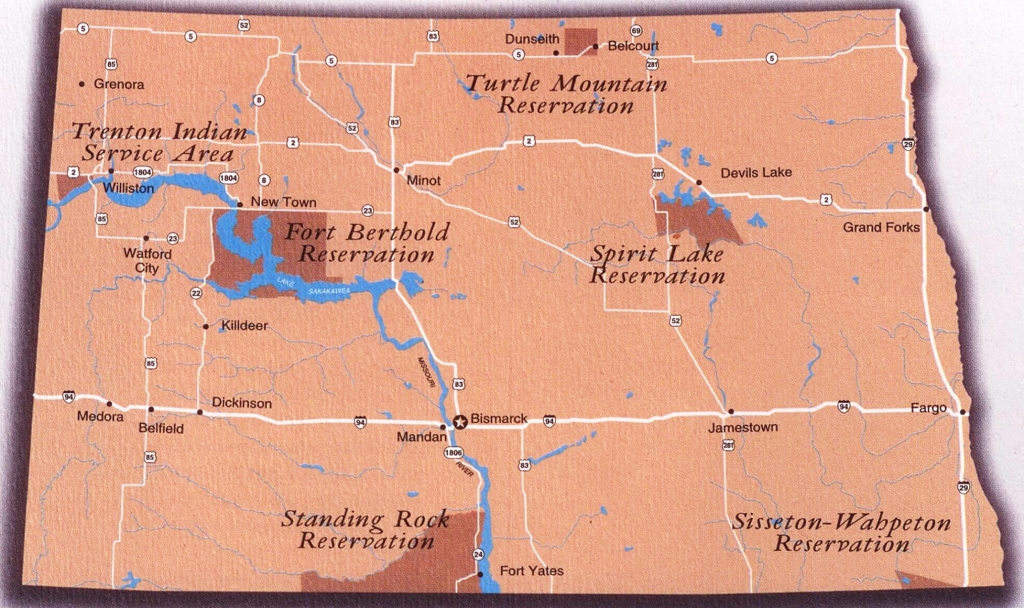
So, how do you translate this powerful tool into real-world travel experiences? Let’s imagine a few itineraries, guided by the map:
-
The Southwest Odyssey (Navajo Nation, Hopi, Zuni, Apache): Instead of just driving through Monument Valley, the map shows you its location within the Navajo Nation. This prompts you to research Diné culture, perhaps hire a Navajo guide for a backcountry tour (required in many areas), visit a rug weaver’s studio, or attend a local event. You might then see the Hopi Mesas, understanding their ancient, continuous habitation, and seek out their renowned pottery and basketry. The map reminds you that these are not just scenic vistas, but ancestral homes.
-
Journey to the Great Plains (Lakota, Crow, Cheyenne, Blackfeet): The Black Hills, often viewed solely as a national monument, are revealed on the map as sacred land to the Lakota, Cheyenne, and other Plains tribes. This knowledge encourages a visit to the Crazy Horse Memorial (a privately funded project by the Lakota), or the Wounded Knee Memorial, approaching these sites with reverence and an understanding of their deep historical and spiritual significance. You’d seek out powwows, museums like the Akta Lakota Museum & Cultural Center, or engage with tribal park systems.
-
Exploring the Pacific Northwest (Coastal Salish, Haida, Tlingit): The map highlights the intricate territories along the coast, encouraging you to explore the rich canoe culture, totem pole artistry, and salmon traditions of these nations. You might visit the Hibulb Cultural Center and Natural History Preserve of the Tulalip Tribes, or engage with tribal fishing initiatives, gaining insight into Indigenous ecological stewardship.
-
The Enduring East (Cherokee, Iroquois, Mashpee Wampanoag): Even in the heavily settled East, the map reveals pockets of enduring Indigenous presence. In North Carolina, you’d find the Eastern Band of Cherokee Indians, and the map would guide you to the Oconaluftee Indian Village or the Museum of the Cherokee Indian, offering a vital counter-narrative to the region’s colonial history. In New England, it points to the Wampanoag, inspiring visits to their cultural centers and a deeper appreciation for their history of first contact and continuous presence.
Beyond the Tourist Gaze: A Call to Deeper Engagement
This educational map isn’t just about showing you where Indigenous lands are; it’s about inviting you into a richer, more responsible way of traveling. It challenges you to look beyond the surface, to listen to the land’s original storytellers. It demands a level of respect and humility that elevates travel from mere sightseeing to a transformative personal journey.
When you use this map, you’re not just observing; you’re participating in a crucial act of recognition and reconciliation. You’re acknowledging the past, celebrating the present, and investing in a more equitable future. You’re becoming an informed traveler, an ethical tourist, and a more compassionate global citizen.
The next time you plan a road trip, open this map first. Let it be your primary guide. It will lead you not just to breathtaking landscapes, but to living histories, vibrant cultures, and profound personal growth. It will show you a version of America that is far more complex, beautiful, and compelling than any standard atlas could ever reveal. This map is more than a tool; it’s an invitation to journey into the true heart of this continent, one sovereign nation at a time.

