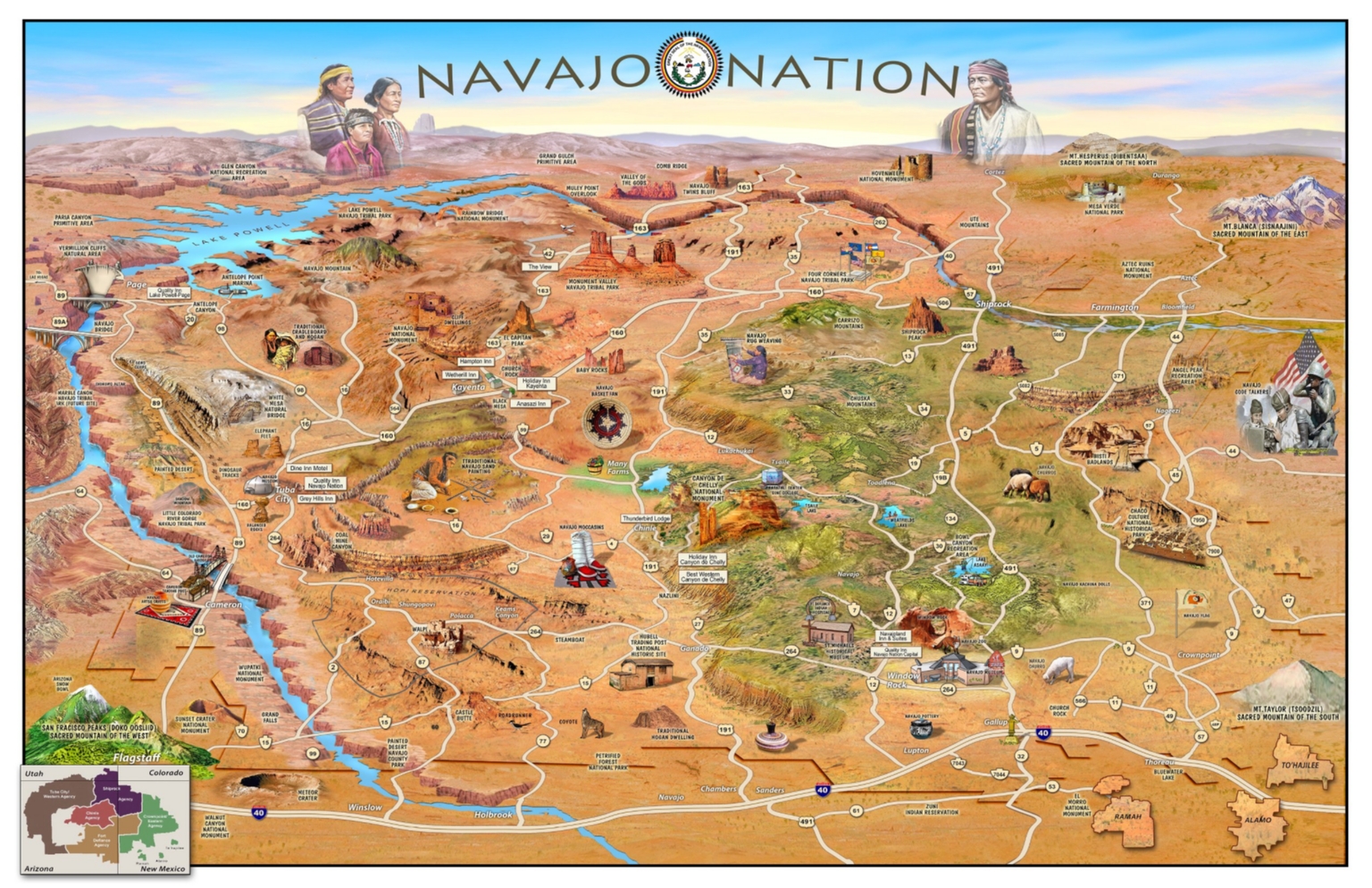
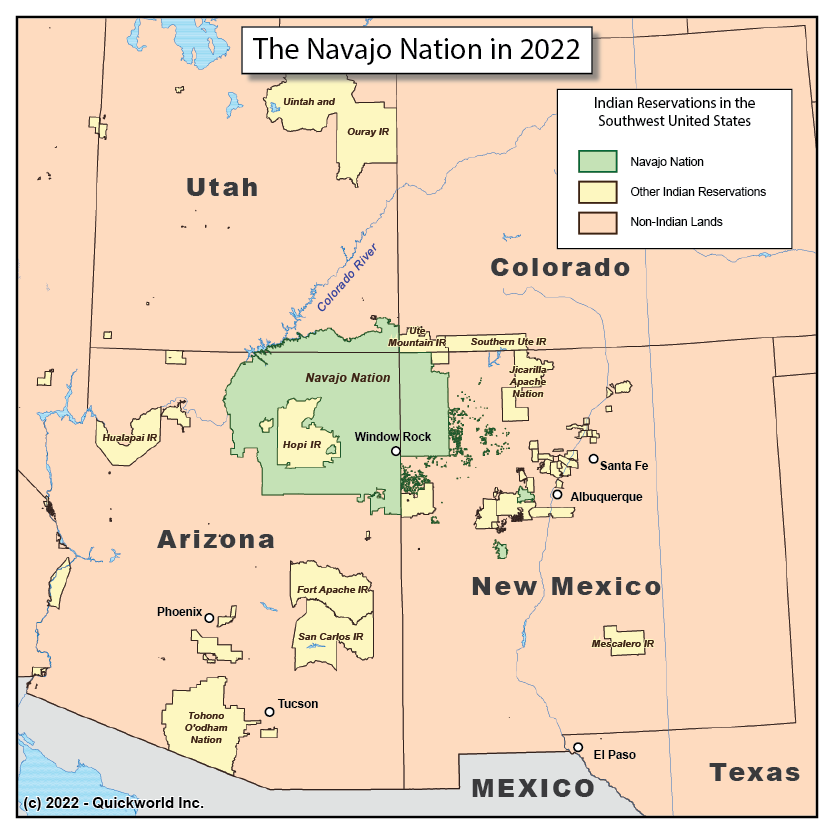
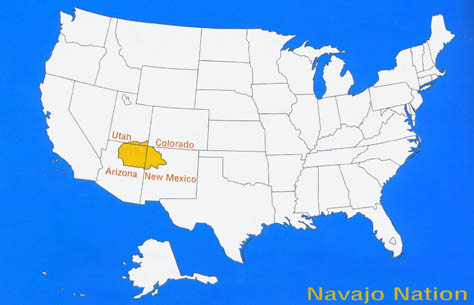
The vast, crimson canvas of the American Southwest unfurls before you, a landscape carved by wind and water, steeped in millennia of human history. This is the heart of the Navajo Nation, a sovereign land spanning parts of Arizona, Utah, and New Mexico, and exploring it is an unparalleled journey into natural grandeur and profound cultural heritage. Forget the typical tourist traps; this is an adventure that demands respect, curiosity, and a willingness to be utterly awestruck.
To truly grasp the scale and spirit of the Navajo Nation, you must first appreciate its sheer enormity. At over 27,000 square miles, it’s larger than 10 of the 50 U.S. states. This is not just a reservation on a map; it is a living, breathing nation with its own government, laws, and the enduring spirit of the Diné people. My travels through this incredible territory, and its equally stunning peripheries, revealed a tapestry of experiences that etch themselves into your memory, from the iconic red rock formations to the quiet whispers of ancient canyons.
Monument Valley Navajo Tribal Park: Where Earth Touches Sky
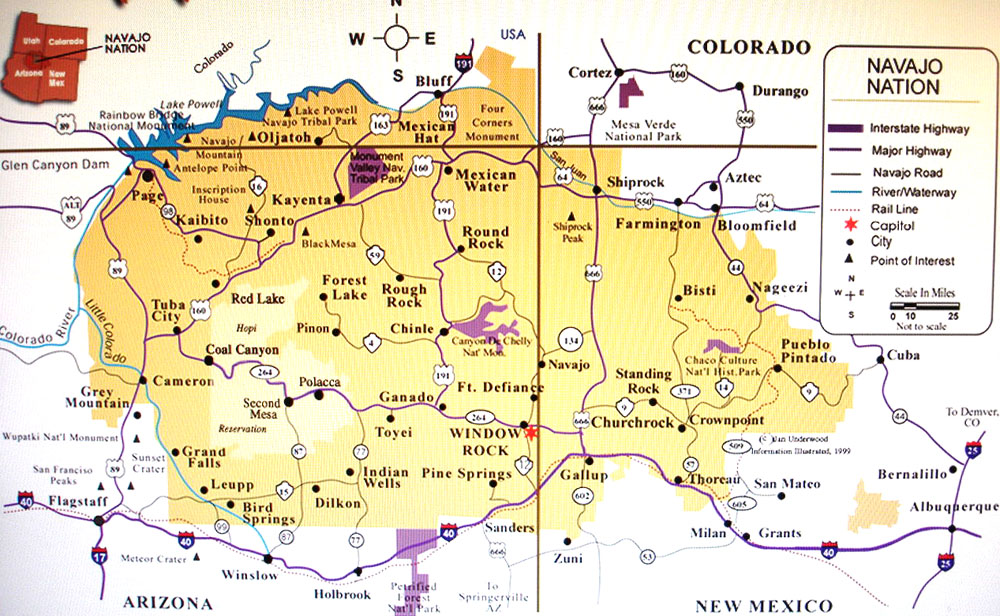
Undoubtedly, the most visually arresting jewel in the Navajo crown is Monument Valley. As you drive north on US-163 from Kayenta, Arizona, the iconic Mittens and Merrick Butte slowly emerge on the horizon, growing larger and more defined until they dominate the skyline. This isn’t just a scenic overlook; it’s a spiritual experience. The valley floor, accessible via a rough 17-mile self-guided loop (take it slow and prepare for bumps), offers intimate encounters with these colossal sandstone monoliths. But to truly immerse yourself, you absolutely must hire a Navajo guide.
A local guide provides not just navigation but invaluable cultural context. They’ll take you off the main loop to sacred areas like Ear of the Wind, Big Hogan Arch, and Mystery Valley, places inaccessible to independent travelers. Listening to their stories, learning about the Diné connection to this land, and witnessing traditional songs or flute playing against the backdrop of a setting sun transforms a scenic drive into a profound cultural exchange. Photography here is an art form, especially at dawn and dusk when the light paints the rocks in fiery hues of orange, red, and purple. Stay at The View Hotel, perched perfectly to capture sunrise over the Mittens from your balcony, or opt for a traditional Hogan stay for an even deeper dive into Navajo hospitality.
Canyon de Chelly National Monument: A Vertical History Book
East of Monument Valley, near Chinle, Arizona, lies Canyon de Chelly National Monument – a place of astonishing beauty and profound historical significance. Unlike the Grand Canyon, you don’t just peer down into a vast chasm; here, the canyon floor has been continuously inhabited for over 5,000 years, making it one of the longest continuously inhabited landscapes in North America. Ancestral Puebloans, and later the Navajo, have carved homes into its sheer, red sandstone walls.
The Rim Drives offer incredible panoramic views of the canyon and its ancient ruins, like the famous White House Ruin, visible from an overlook. But the real magic happens on the canyon floor. Again, a certified Navajo guide is mandatory for any descent into the canyon. My guided tour, traversing the sandy washes in a 4×4, was an unforgettable journey through time. We explored ancient cliff dwellings, saw petroglyphs etched into the rock, and learned about the daily lives and spiritual beliefs of those who called this place home. The guides share stories of survival, resilience, and the deep spiritual connection the Navajo have to this sacred land. It’s a humbling experience, walking in the footsteps of ancestors, surrounded by towering walls that seem to whisper their secrets.
Antelope Canyon & Horseshoe Bend: The Slot Canyon Phenomenon and a Geologic Masterpiece
Moving west towards Page, Arizona, you encounter a different kind of geological wonder: the slot canyons. Antelope Canyon, specifically Upper and Lower Antelope Canyon, has become a global phenomenon, and for good reason. These narrow, winding passages, carved by flash floods over millennia, are a kaleidoscope of light and shadow. Sunlight filtering through the narrow openings creates ethereal beams and constantly shifting colors on the sculpted sandstone walls.
Both Upper and Lower Antelope Canyons require pre-booked tours with Navajo guides, and rightfully so – the environment is delicate, and flash floods are a real danger. Upper Antelope is wider and easier to walk through, known for its famous light beams (best seen around midday). Lower Antelope is more adventurous, requiring ladders and narrower passages, offering a more intimate, serpentine experience. While they can be crowded, the sheer beauty is undeniable. Professional photographers flock here, but even a smartphone camera can capture stunning images in this otherworldly landscape.
Just a short drive from Antelope Canyon is Horseshoe Bend, a dramatic U-shaped meander of the Colorado River. The short, paved walk from the parking lot leads to an exhilarating overlook where the river makes a nearly perfect 270-degree turn, 1,000 feet below. The scale is immense, the colors vibrant, and the photo opportunities are legendary, especially at sunset when the canyon walls glow. While not strictly on Navajo land (it’s managed by the city of Page), it’s an essential part of any itinerary exploring the greater Navajo Nation region, often combined with a visit to Lake Powell, a vast recreational lake created by the Glen Canyon Dam.
Window Rock: The Heart of the Navajo Nation
For a deeper understanding of the Navajo Nation’s governance and modern identity, a stop at Window Rock, the capital, is essential. Named for a large, natural sandstone arch, Window Rock is home to the Navajo Nation Council Chambers, where legislative decisions are made. Visiting the Council Chambers (when not in session) and the Navajo Nation Museum offers valuable insights into the tribe’s history, culture, and ongoing efforts to preserve their language and traditions. Don’t miss the Navajo Nation Veterans Memorial, a powerful tribute to Diné warriors who have served in the U.S. military, including the famous Code Talkers of World War II. It’s a place of quiet reflection and immense pride.
Four Corners Monument: A Novelty, But Geographically Significant
While often considered a bit of a kitschy tourist stop, the Four Corners Monument is geographically significant. It’s the only place in the United States where four states – Arizona, New Mexico, Utah, and Colorado – meet at a single point. You can literally stand in all four states simultaneously. While the monument itself is simple, it marks a key geographical point relevant to understanding the vastness of the Navajo Nation and its surrounding territories. Expect a short wait for your photo opportunity, and browse the local artisan stalls for authentic crafts.
Beyond the Borders: Complementary Explorations
The Navajo Nation’s vastness naturally leads travelers to explore its stunning peripheries.
- Grand Canyon National Park (East Rim): The eastern entrance to the Grand Canyon is easily accessible from Navajo land and offers breathtaking views, particularly from Desert View Watchtower, an impressive stone structure designed by Mary Colter with Hopi and Ancestral Puebloan influences. The views here are unique, showcasing the winding Colorado River in the depths of the canyon. Many Navajo vendors sell beautiful crafts along this stretch of the park.
- Mesa Verde National Park (Colorado): A short drive from the Four Corners, Mesa Verde offers a powerful glimpse into the lives of the Ancestral Puebloans who built incredible cliff dwellings and mesa-top villages between 600 and 1300 CE. It’s a UNESCO World Heritage site and a stark contrast in history and environment to the open lands of the Navajo, yet intrinsically linked by the shared human story of the Southwest.
- Goosenecks State Park (Utah) & Mexican Hat: Often visited en route to or from Monument Valley, Goosenecks State Park showcases an extraordinary example of entrenched river meanders, where the San Juan River snakes back and forth, cutting deeply into the landscape. Nearby, Mexican Hat is a distinctive rock formation resembling a sombrero, a fun photo stop.
Responsible Tourism: A Sacred Trust
Traveling through the Navajo Nation is not just about ticking off landmarks; it’s about engaging with a vibrant, living culture. Responsible tourism is paramount.
- Hire Navajo Guides: For cultural tours, canyon explorations, and even simple advice, hiring local Navajo guides ensures your money directly supports the community and provides unparalleled insight.
- Buy Authentic Crafts: Purchase jewelry, pottery, rugs, and artwork directly from Navajo artisans. This supports their livelihood and preserves traditional art forms. Be wary of imitations.
- Respect the Land and Culture: This is a sovereign nation. Observe posted rules, avoid trespassing, ask permission before photographing people, and understand that many areas are sacred. Alcohol laws differ, and many parts of the reservation are "dry."
- Learn a Few Phrases: A simple "Ya’at’eeh" (hello) goes a long way in showing respect.
- Patience and Planning: Distances are vast, and cell service can be spotty. Plan your routes, fuel up, and allow ample time.
The Navajo Nation and its surrounding areas offer a travel experience unlike any other. It’s a journey through monumental landscapes, ancient histories, and a resilient culture. It challenges you to look beyond the surface, to listen to the land, and to connect with the people who have been its stewards for millennia. This is not merely a vacation; it’s an education, a spiritual awakening, and an unforgettable immersion into the heart of the American Southwest. Prepare to be humbled, inspired, and forever changed by the majesty of Dinétah.

