Beyond the Lines: Unearthing Truth at the Indigenous Cartography & Sovereignty Center
Forget what you think you know about maps. Forget the neat borders and the arbitrary lines drawn by colonial powers. My recent visit to the Indigenous Cartography & Sovereignty Center wasn’t just a trip; it was a profound re-education, an eye-opening journey into the hidden histories etched not just on paper, but into the very landscape of North America. This isn’t your typical travel destination, but for anyone seeking a deeper understanding of the land beneath their feet, it’s an absolutely essential pilgrimage.
From the moment you step through the unassuming entrance, the air shifts. There’s a quiet reverence here, a palpable sense of stories waiting to be told. The Center, a modern marvel of architectural design that subtly blends with its natural surroundings, is dedicated to showcasing Native American cartography—not just as a historical artifact, but as a living testament to Indigenous knowledge, connection to land, and, crucially, as a powerful counter-narrative to centuries of historical land fraud. This isn’t a museum filled with dusty relics; it’s a vibrant space that challenges, educates, and inspires.
The first gallery, "The Land Speaks: Indigenous Cartographies," immediately redefines what a map can be. Gone are the grid lines and compass roses of European tradition. Instead, you’re immersed in visual representations that depict relationships, seasonal movements, sacred sites, and ecological knowledge, often without a single straight line. There are intricate hide paintings detailing hunting territories and migration routes, birchbark scrolls marking ancestral trails and fishing grounds, and even verbal maps—complex oral traditions passed down through generations that described the landscape with breathtaking precision and detail, often incorporating spiritual and cultural significance inseparable from the physical terrain. These aren’t just directions; they are holistic representations of a lived world, imbued with history, ceremony, and identity. The interactive exhibits here are particularly brilliant, allowing you to trace routes, listen to audio recordings of traditional place names, and overlay these Indigenous maps with modern satellite imagery, revealing uncanny accuracy that puts many early European surveys to shame.
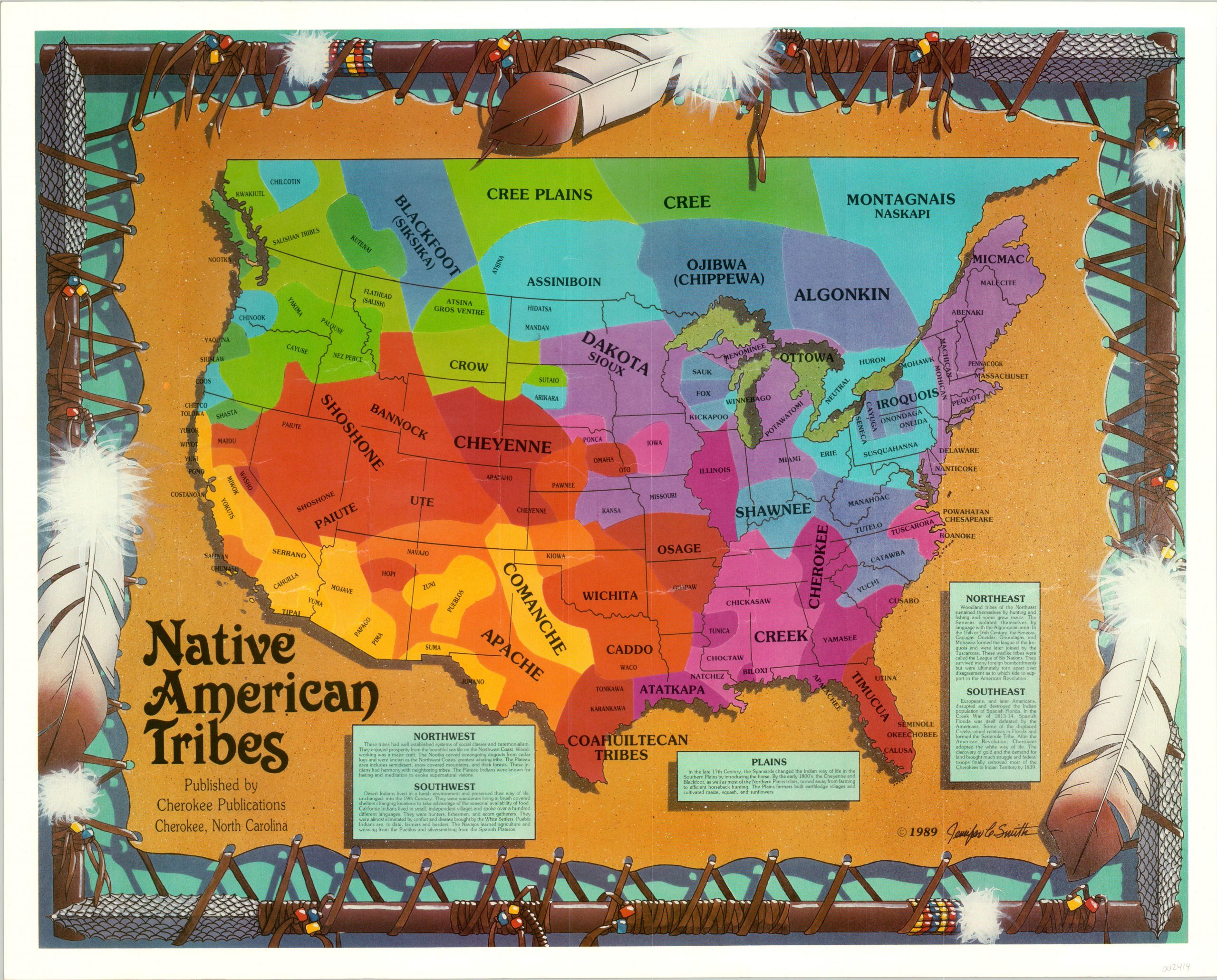
The experience deepens as you move into "Lines of Deception: The Colonial Cartographic Onslaught." This is where the profound tragedy begins to unfold. The Center masterfully illustrates how European cartography, driven by expansionist ideologies, became a primary tool for dispossessing Indigenous peoples. We see early colonial maps, often blank in the interior, filled with "terra incognita" or dismissive labels like "Indian Territory," effectively erasing the millennia of Indigenous presence and intricate land management. The exhibition meticulously details how these maps, often drawn with little to no understanding of the actual land or its inhabitants, were used to justify land claims, establish arbitrary borders, and lay the groundwork for treaties that would inevitably be broken.
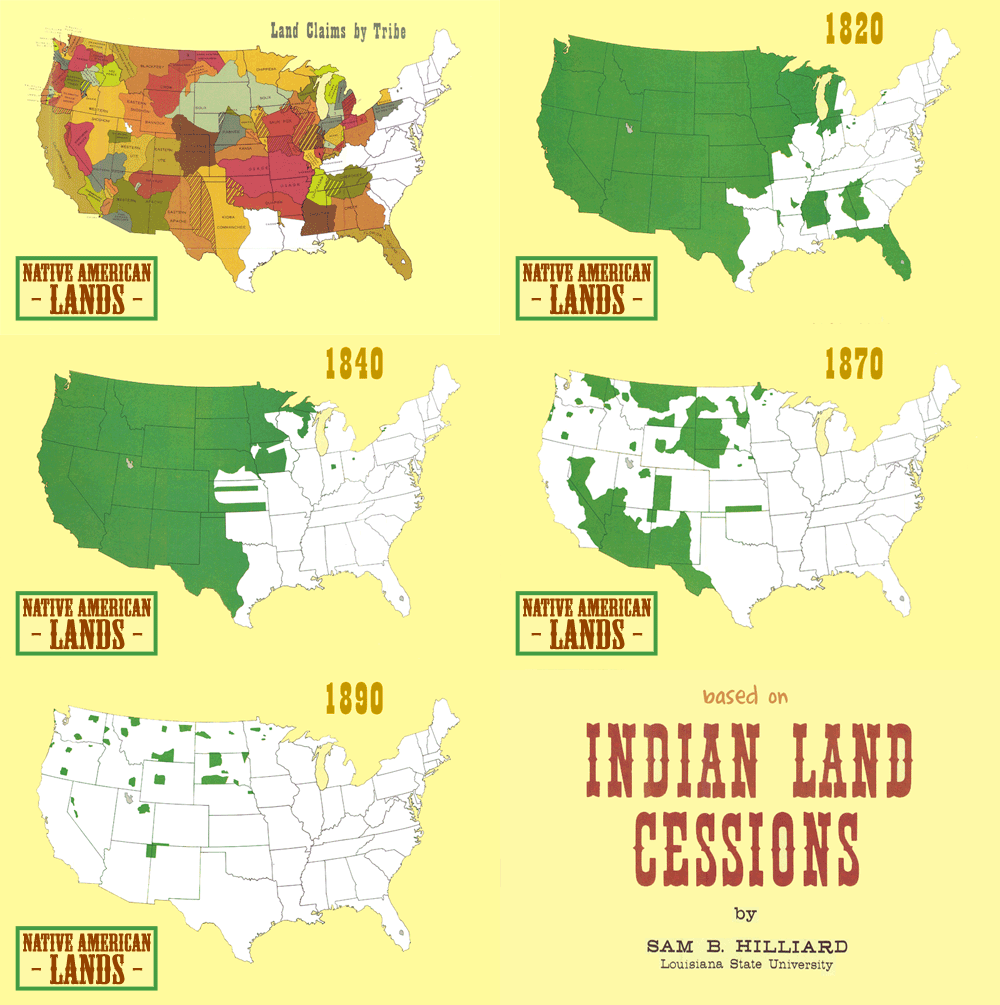
One particularly poignant section, "The Treaty Maze," highlights specific instances of historical land fraud where the clash of cartographic philosophies had devastating consequences. Here, you’re presented with reproductions of original treaties—often signed by Native leaders under duress or misunderstanding—alongside the European maps that purportedly defined the land cessions. Crucially, these are juxtaposed with Indigenous understandings of those same territories, drawn from oral histories and surviving traditional maps. The discrepancies are stark and heartbreaking. European maps often depicted vast, undifferentiated tracts of land, easily "ceded," while Indigenous maps revealed a patchwork of seasonal use areas, sacred sites, and intertribal agreements that were never intended to be "sold" or permanently relinquished. The exhibition explains how concepts like "ownership" versus "stewardship," and "boundaries" versus "relationships," were fundamentally incompatible, leading to systematic misinterpretations and deliberate exploitation.
For instance, the Center features a compelling exhibit on the "walking purchases" and other fraudulent land acquisitions where European surveyors deliberately misinterpreted or manipulated treaty language, often relying on the Indigenous peoples’ lack of familiarity with European legal systems and mapping conventions. The detailed explanations, supported by historical documents and expert commentary, reveal how seemingly innocent lines on a map became instruments of massive land theft, displacing entire nations and irrevocably altering the course of their histories. The Center doesn’t shy away from the brutal truth, but presents it with scholarly rigor and a profound respect for the victims.
The journey continues into "Reclaiming the Map: Indigenous Resistance and Resilience." This gallery is a powerful testament to the enduring spirit of Native peoples. It showcases how Indigenous communities, both historically and in contemporary times, have utilized their own mapping traditions and modern cartographic techniques to assert their sovereignty, defend their land rights, and revitalize their cultures. You’ll see examples of "counter-mapping" efforts – Indigenous-led initiatives that map traditional territories, document resource use, identify sacred sites, and highlight environmental injustices, often using GIS technology to tell their stories in a language the dominant society can understand. These maps are not just academic exercises; they are vital tools in legal battles, land claims, and the ongoing fight for self-determination. They demonstrate that the act of mapping is inherently political, a tool for both oppression and liberation.
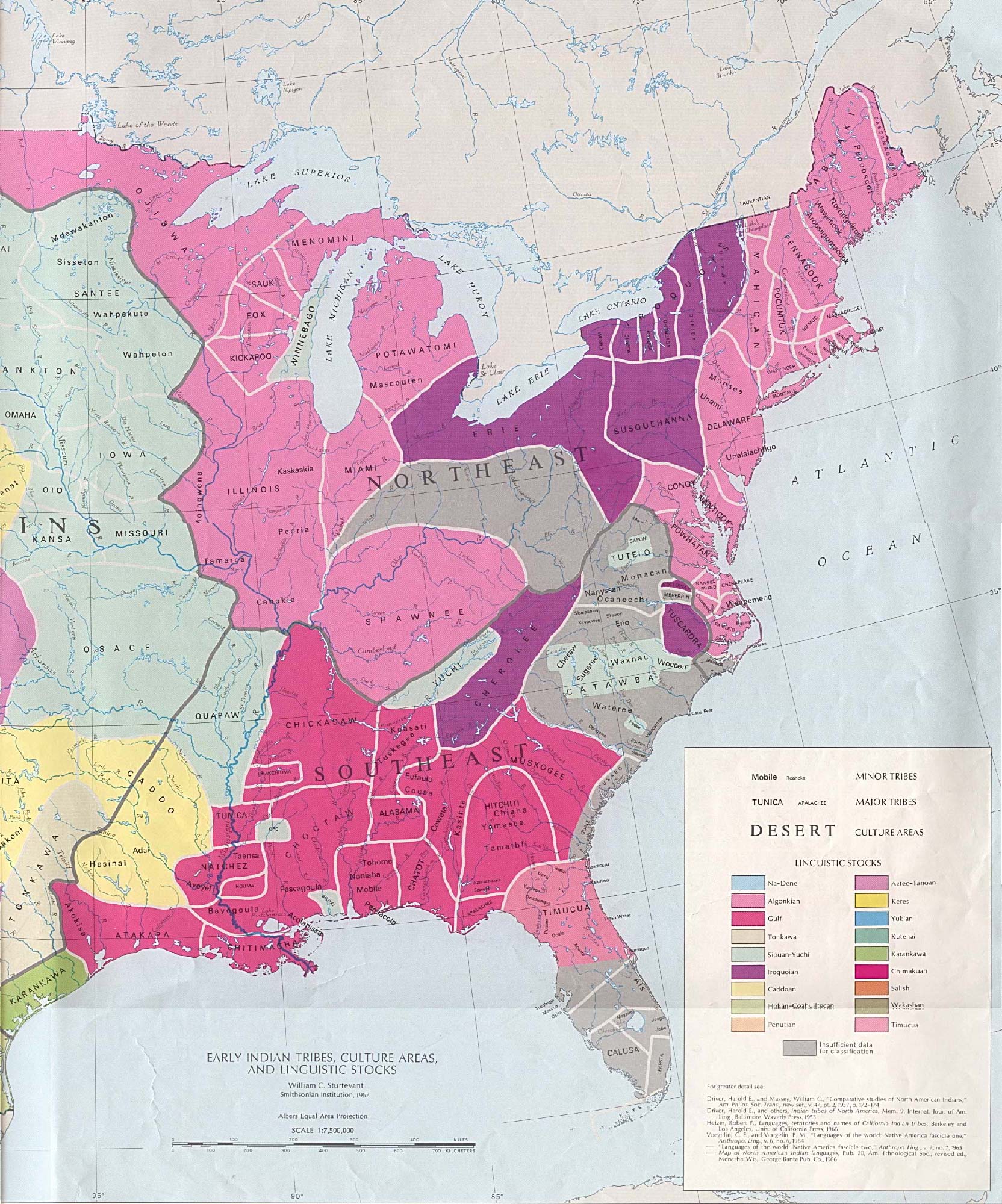
My personal experience in this section was particularly moving. I spent a long time at a display dedicated to a contemporary tribal nation’s efforts to map their ancestral hunting grounds, incorporating elders’ knowledge of specific plant locations and animal migration patterns. The level of detail and the sheer passion behind these efforts were inspiring. It wasn’t just about drawing lines; it was about reaffirming identity, preserving cultural knowledge, and ensuring future generations remain connected to their heritage. The "review" here isn’t just of a building or an exhibit; it’s a review of the profound shift in perspective it offers. You leave with a heightened awareness of how deeply intertwined land, identity, and power truly are.
Beyond the exhibits, the Center offers a research library with an extensive collection of Indigenous maps, historical documents, and academic texts, making it a crucial resource for scholars and the public alike. There are also regular workshops and lectures by Indigenous cartographers, elders, and legal experts, providing opportunities for deeper engagement and learning. The gift shop, far from being a tourist trap, offers thoughtfully curated books, art, and crafts from various Native American artists and publishers, further supporting Indigenous communities.
Visiting the Indigenous Cartography & Sovereignty Center isn’t a passive experience. It’s an active engagement with a history that has been systematically marginalized. It challenges the colonial narratives embedded in our everyday understanding of geography and ownership. It forces you to confront the uncomfortable truths of historical land fraud, not as abstract historical events, but as direct consequences of competing worldviews, often with maps as the silent, yet powerful, arbitors.
For any traveler seeking more than just picturesque landscapes—for those who want to understand the profound human stories etched into the land, the struggles for justice, and the resilience of Indigenous cultures—this Center is an absolute must-visit. It’s a place that transforms your understanding of maps from mere navigational tools into powerful documents of history, identity, and the ongoing fight for sovereignty. It’s a call to look beyond the lines on the map and truly see the land, and its original peoples, for what they are. This is more than a review; it’s an urgent recommendation to embark on this journey of discovery and truth.